Silicon Valley still misses deep thinking on AI
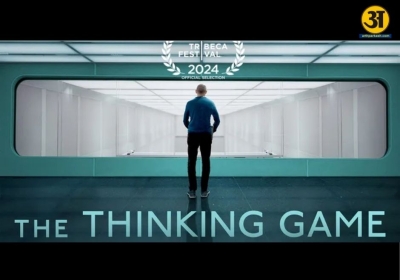
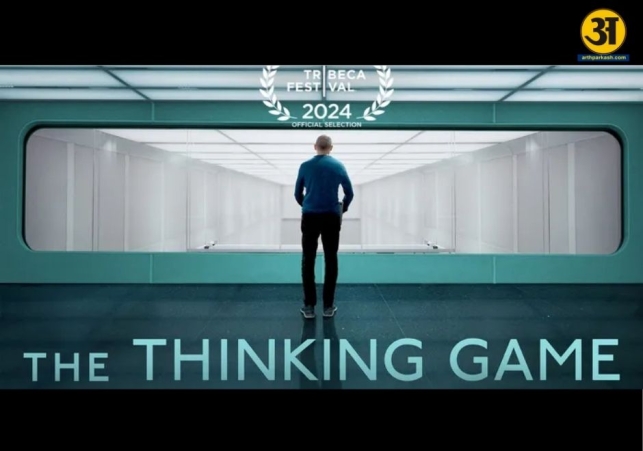
The Thinking Game shows Silicon Valley is not thinking deeply about AI
The Thinking Game is a new documentary that explores the life of Demis Hassabis, the founder of DeepMind, and his mission to develop Artificial General Intelligence (AGI). The film highlights the successes of DeepMind, including AlphaStar, an AI program that played the real-time strategy game StarCraft against professional human players. AlphaStar lost, but it performed in ways that surprised experts and showed the potential of AI to act in ways humans did not expect.
The documentary also raises concerns about AI being used for military or surveillance purposes. Political scientist Margaret Levi warned that AI could make wars faster and more unpredictable. Former Google CEO Eric Schmidt also noted the risks of AI being abused for surveillance or military use. However, while these warnings appear briefly, the film quickly shifts back to the familiar Silicon Valley narrative, focusing on the promise and excitement of AI rather than the challenges or dangers.
Hassabis emphasizes that technology itself is neutral. According to him, whether AI is good or bad depends on how humans use it. This argument is familiar and simple, but it sidesteps deeper questions about the societal, political, and ethical implications of AI. The documentary, while fascinating in parts, often feels like a polished public relations exercise rather than a critical exploration.
The film also delves into Hassabis’s personal story. As a child, he was a chess prodigy, once rated the second-highest in his category globally. At age 12, he had a key insight while playing chess: he realized that the immense brainpower devoted to games could be used to solve bigger problems, such as curing diseases. This early vision inspired him to focus on intelligence and AI rather than becoming a professional chess player.
ALSO READ: 150 years of Vande Mataram: BJP, Congress clash over missing stanzas
The missed opportunity to explore AI’s impact
Most of the documentary focuses on DeepMind’s achievements over the past decade. The story of AGI, or the development of machines capable of human-level thinking, is fascinating. DeepMind’s research has contributed to breakthroughs in protein folding, strategic game-playing, and AI development. However, as AI technologies like ChatGPT, Gemini, and tools from private companies such as Palantir increasingly influence everyday life, the film misses a crucial opportunity to explore their broader implications.
Instead of addressing these larger questions, the documentary presents AI as a “game,” a quest led by brilliant scientists with good intentions. The film’s tone is uplifting and celebratory, featuring music and storytelling that emphasize breakthroughs and triumphs. But it rarely examines the possible consequences of AI on human life, society, or the economy. What will it mean to live in a world where AI can perform tasks faster and smarter than humans? How will AGI affect jobs, privacy, politics, or social order? The documentary does not engage with these issues.
By avoiding these discussions, The Thinking Game reflects a common mindset in Silicon Valley: a focus on innovation and optimism while often ignoring complex societal impacts. The engineers and researchers may be well-meaning, but their perspective is narrow, emphasizing the technical achievement rather than the ethical or social consequences. This approach makes the documentary informative about DeepMind’s work but limited in exploring what AI truly means for humanity.
The film ends with Hassabis looking toward the future of AGI. He acknowledges that the next generation will live in a world transformed by AI. He describes this future as part of “a good thinking game,” the culmination of his life’s work. While this is inspiring, it also underlines the documentary’s focus: AI as a game or intellectual challenge rather than a societal shift that requires deep reflection and responsibility.
For viewers, the documentary provides insight into one of the most important scientists of our era and the vision behind DeepMind. It shows the journey from childhood curiosity to global breakthroughs in AI. But it stops short of asking the difficult questions about the technology’s consequences. For Silicon Valley, AI may indeed be a game. For billions of people around the world, it may be something far more serious, shaping the future of work, society, and life itself.
In summary, The Thinking Game succeeds in telling the story of Demis Hassabis and DeepMind’s journey, but it fails to engage deeply with the risks and responsibilities that come with AI. While it showcases the excitement and potential of the technology, it misses the chance to spark a wider conversation about how humans will live in an AI-driven world. The film is both fascinating and disappointing, offering inspiration but leaving the most important questions unanswered.
Related News