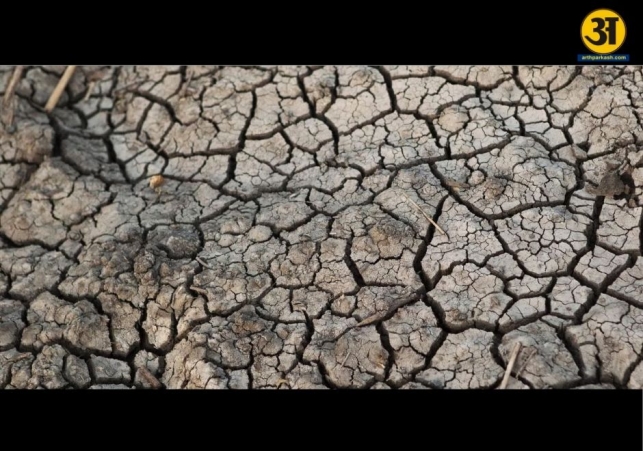
India’s groundwater faces stress from overuse and pollution
Overextraction and contamination put India’s groundwater under stress
India is facing a serious groundwater crisis. In many states, people are taking more water from underground sources than what naturally replenishes each year. This overuse, combined with contamination, is putting both people and the environment at risk. According to a recent response in the Rajya Sabha by Minister of State for Jal Shakti Raj Bhushan Choudhary, Punjab, Rajasthan, and Haryana are the states extracting far more groundwater than they can safely use.
Punjab withdraws about 56 per cent more groundwater than what is naturally available every year. Rajasthan uses 47 per cent more, and Haryana takes about 37 per cent extra. Even Delhi is close to its annual safe limit, while Puducherry uses over three-quarters of its available groundwater. These numbers show how heavily these regions rely on underground water for agriculture, daily use, and industrial purposes.
Overextraction is not the only problem. Groundwater contamination is rising in these regions. In Punjab, many water samples have uranium levels higher than the safe limit. The permissible limit for uranium in water is 30 parts per billion, but a large share of samples from Punjab exceeds this. Uranium naturally occurs in rocks and soil, but human activities such as mining, power plants, and the use of phosphate fertilizers can increase the levels in groundwater.
Nitrates, another common contaminant, are also a concern. Around a quarter of water samples in Punjab exceed safe nitrate limits. Rajasthan and Haryana show similar trends. Nitrates usually come from fertilizers, sewage, and waste that seep into the ground. Areas with intensive farming are particularly affected, and even Puducherry reports high levels of nitrates in its groundwater.
Fluoride contamination is prominent in Rajasthan and Haryana. Fluoride occurs naturally in rocks such as biotite, muscovite, fluorite, hornblende, mica, and fluorapatite. As water passes through these rocks, it can pick up fluoride. Delhi faces a combination of rising fluoride from rocks and increasing nitrate from human activities like sewage and leakage. These chemical pollutants make groundwater unsafe for drinking and can have serious health impacts over time.
ALSO READ: 150 years of Vande Mataram: BJP, Congress clash over missing stanzas
Steps needed to protect groundwater
Experts warn that overextraction and contamination together threaten India’s water security. Groundwater is crucial for millions of people and for agriculture, yet its overuse is depleting resources faster than they can be replenished. If current trends continue, regions like Punjab, Rajasthan, and Haryana may face severe water shortages in the near future.
One solution is to manage water use better. Farmers can adopt water-saving irrigation techniques, such as drip irrigation, which uses water more efficiently. Planting crops that require less water can also help reduce strain on groundwater. In cities, reducing leakage from pipelines, recycling water, and encouraging rainwater harvesting can improve groundwater levels.
Monitoring water quality is equally important. Regular testing of groundwater for uranium, nitrates, fluoride, and other contaminants can help authorities take early action. Waste management and controlling the use of chemical fertilizers and industrial discharge are critical to prevent further contamination. Public awareness campaigns can encourage people to use water responsibly and report pollution.
In addition, policymakers must create and enforce regulations to limit overextraction. Some states may need to restrict drilling new wells, while promoting sustainable groundwater management practices. Communities can also participate in water conservation programs to protect local water sources.
Groundwater is not unlimited. It takes years to naturally replenish, and contamination makes it unusable for humans and agriculture. Without immediate action, overextraction combined with pollution could lead to long-term water scarcity. Protecting groundwater is essential not just for farmers and households today, but for the future of India’s environment, health, and economy.
India’s groundwater crisis is serious and growing. Punjab, Rajasthan, and Haryana are extracting more water than is naturally available, while contamination from uranium, nitrates, and fluoride is making water unsafe. Effective water management, regular monitoring, pollution control, and public awareness are key to saving this vital resource.
If India wants to secure water for the future, urgent steps are needed to balance usage with natural replenishment and protect groundwater quality. Only then can millions of people and the agricultural sector continue to rely on this essential resource safely.
Related News