Five gut health myths explained
Gut health expert clears common myths about probiotics and digestive health
- By Gurmehar --
- Monday, 22 Jun, 2026
Gut health has become one of the biggest health topics in recent years. From probiotic supplements to “gut healing” diets on social media, many people are trying different ways to improve digestion and overall health. But along with this growing interest, many myths have also spread.
Experts say not everything people hear about gut health is true. Many common beliefs are either incomplete or not supported by science.
Dr Debojyoti Dhar, Director and Co-founder at BugSpeaks (Leucine Rich Bio), has explained five popular myths about gut health and why people should understand the real science behind them.
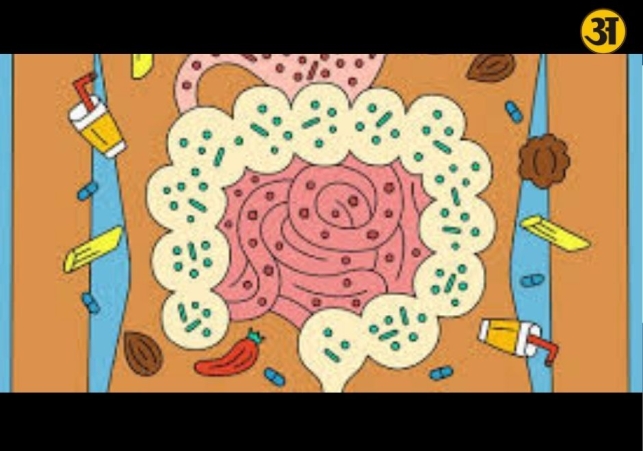
The gut microbiome is the collection of tiny living organisms inside our digestive system. These include bacteria, fungi, and viruses. They help with digestion, immunity, and many other body functions.
According to experts, keeping the gut healthy is important, but doing it the right way matters even more.
Probiotics and diet are not simple solutions
One of the biggest myths is that everyone should take probiotics.
Probiotics are often sold as a simple answer to better digestion. Many people buy them without even knowing if they really need them. But Dr Dhar says probiotics are not a one-size-fits-all solution.
He explains that every person’s gut microbiome is different. This means one probiotic may work for one person but not for another.
Some people may benefit from probiotics after illness or antibiotic use, while others may not need them at all.
Taking them without proper advice may not always help.
ALSO READ: Trump faces growing criticism over Iran as new poll shows rising disapproval
ALSO READ: India-EU free trade deal to boost trade, technology and tourism, says PM Modi
Another common myth is that all digestive problems come only from food.
While diet does play a big role, it is not the only reason for gut issues.
Stress, poor sleep, lack of exercise, and even medicines can affect gut health.
For example, someone may eat healthy food but still suffer from bloating or stomach pain because of stress or poor sleep.
Experts say focusing only on diet can make people ignore other important causes.
This is why doctors often look at a person’s full lifestyle instead of only their eating habits.
Gut health is connected to many parts of daily life. A balanced routine, proper rest, and mental health are just as important as food.
Healthy gut is more than just no symptoms
Many people think that if they do not have stomach pain, gas, or digestion problems, their gut must be healthy.
But experts say this is not always true.
Dr Dhar explains that gut problems can exist even without clear symptoms.
A person may have an unhealthy balance of gut bacteria for a long time without noticing anything.
Researchers are now studying how these hidden imbalances may be linked to future problems like obesity, diabetes, and weak immunity.
This means that “feeling fine” does not always mean the gut is working perfectly.
Another myth is that all bacteria are bad.
For many years, people have connected bacteria only with disease and infection. This has made many believe that all bacteria should be removed from the body.
But the truth is very different.
The human gut needs good bacteria to stay healthy.
These bacteria help break down food, absorb nutrients, and support the immune system.
Without good bacteria, digestion would become difficult, and the body would not function properly.
Dr Dhar says the goal is not to remove bacteria but to maintain the right balance.
A healthy gut depends on having enough beneficial bacteria.
The fifth myth is that the gut contains only bacteria.
When people hear “gut microbiome,” they often think only of bacteria. But the gut is much more complex.
It also contains fungi, viruses, and other tiny organisms.
All of these live together and work in balance.
If this balance is disturbed, it can affect digestion and overall health.
Scientists now believe that gut health is far more complicated than people once thought.
Research in 2026 continues to show how strongly the gut affects not just digestion but also mood, immunity, skin health, and energy levels.
Experts say the best way to support gut health is not by following every trend online.
Instead, people should focus on simple habits like eating balanced meals, sleeping well, staying active, drinking enough water, and managing stress.
Probiotics can help some people, but they are not magic.
Understanding the truth behind these myths can help people make better health decisions.
As science grows, experts say it is important to replace myths with facts.
A healthy gut does not come from quick fixes. It comes from long-term care, balance, and informed choices.
Related News