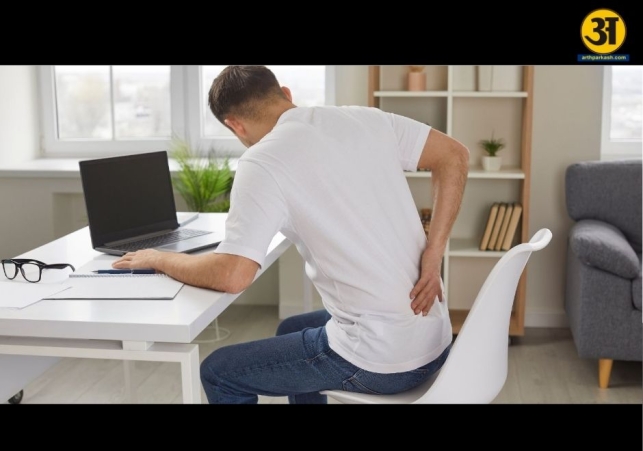
Desk jobs linked to rising piles cases
Doctors warn office workers as piles cases rise due to long sitting hours
- By Gurmehar --
- Monday, 22 Jun, 2026
Doctors are warning office workers about a growing health problem linked to sitting for long hours every day. Experts say there has been a sharp rise in cases of piles, also called haemorrhoids, especially among working professionals who spend most of their day at a desk.
Piles are swollen veins in the lower rectum or around the anus. They can cause pain, itching, bleeding, and discomfort during bowel movements. Earlier, this condition was mostly seen in older adults. But now doctors say younger people, especially those between 30 and 45 years of age, are being diagnosed more often.
Health experts believe modern work habits are one of the biggest reasons behind this increase.
Long hours of sitting, poor eating habits, low water intake, constipation, and lack of exercise are all adding to the problem.
According to Dr Kiran Kumar Jadhav, General Surgeon at Apollo Spectra Pune, sitting for too long puts pressure on the veins near the rectum. Over time, this pressure can increase the chances of developing piles.
He says many office workers sit for eight to ten hours every day without enough movement. When this is combined with unhealthy food and poor hydration, the risk becomes even higher.
Doctors say this is becoming a serious concern because many people ignore the early signs.
Why desk workers are at higher risk
Modern office life has changed the way people move.
Many workers start their day by sitting in front of a laptop and continue for long hours with very little walking or stretching. Some even skip meals or eat fast food because of busy schedules.
This kind of routine affects digestion.
When a person sits for too long, blood flow slows down in some parts of the body. The pressure builds up in the rectal veins, which can lead to swelling.
At the same time, eating low-fibre foods like burgers, chips, and processed snacks can cause constipation.
Constipation makes bowel movements harder. This increases strain, which can worsen piles.
Doctors say dehydration is another major problem.
ALSO READ: Trump faces growing criticism over Iran as new poll shows rising disapproval
ALSO READ: India-EU free trade deal to boost trade, technology and tourism, says PM Modi
Many professionals drink too much tea or coffee but not enough water. Without enough water, stools become hard and difficult to pass.
Dr Jadhav says there has been nearly a 60 percent rise in piles cases among working professionals.
He says around six out of ten office workers aged between 30 and 45 report symptoms such as pain, itching, swelling, or bleeding.
This shows how common the problem is becoming.
Stress also plays a role. A stressful lifestyle can affect digestion and bowel habits, making the condition worse.
Experts say people should understand that piles are not just an “old age problem” anymore.
Young adults are equally at risk if they continue unhealthy habits.
Early signs and simple prevention tips
Doctors say one of the biggest mistakes people make is ignoring the early symptoms.
At first, the signs may seem small, like itching or mild discomfort. But if left untreated, the condition can become painful and serious.
Common symptoms include:
-
Itching or irritation around the anal area
-
Pain during bowel movements
-
Bright red bleeding after passing stool
-
Swelling near the anus
-
Feeling like the bowel is not fully empty
These symptoms should not be ignored.
Dr Jadhav warns that untreated piles can lead to constant pain, repeated bleeding, and even anaemia in some cases.
It can also make daily life uncomfortable.
The good news is that piles can often be prevented with simple changes.
Doctors recommend eating more fibre-rich foods like fruits, vegetables, salads, and whole grains.
Fibre helps soften stools and makes bowel movements easier.
Drinking enough water is also very important. Experts suggest drinking water regularly throughout the day.
Office workers should avoid sitting continuously for long hours.
Taking short breaks every hour can help.
Even standing for a few minutes, walking around the office, or stretching can improve blood circulation.
Regular exercise like walking, jogging, or yoga can also lower the risk.
Doctors also advise not to ignore the urge to go to the toilet. Delaying bowel movements can make constipation worse.
If symptoms appear, it is important to visit a doctor early.
Today, many advanced treatments are available for piles, including minimally invasive procedures that cause less pain and allow faster recovery.
Doctors say there is no need to feel embarrassed about discussing the condition.
As work life becomes more sedentary, digestive health needs more attention.
Small habits like drinking water, eating healthy food, moving more, and listening to your body can make a big difference.
Experts say preventing piles is much easier than treating them later.
For office workers, staying active may be one of the best ways to protect their health.
Related News