Body signals that show anxiety symptoms
Eight real symptoms of anxiety your body shows to cry for help
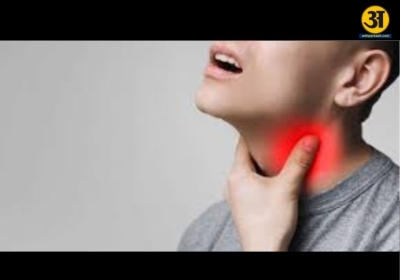
Anxiety is often thought of as just a mental issue, but it can show itself through your body too. Many people dismiss it as “stress” or “nerves,” but anxiety can cause real physical signs. The World Health Organization (WHO) explains that people with anxiety disorders often feel physical tension along with changes in behaviour and thinking.
Research also shows that anxiety can lead to heart palpitations, shortness of breath, dizziness, and other physical problems. If you notice unexplained symptoms like chest tightness, stomach upset, or constant tiredness, your body may be sending an alert. Recognising these early can help prevent long-term health issues.
Physical symptoms of anxiety to watch for
-
Palpitations or pounding heart
Rapid or irregular heartbeats are common signs of anxiety. Clinical studies show that during a panic attack, many people feel their heart racing or pounding. If this happens often, even without physical exertion, it should not be ignored. -
Shortness of breath or chest tightness
Feeling like you cannot breathe properly or that your chest is being squeezed can happen during anxiety. These symptoms occur when your body’s autonomic nervous system goes into overdrive. While they may feel like a heart or lung problem, recurring episodes should be checked by a doctor. -
Muscle tension, aches or headaches
Anxiety keeps your muscles constantly alert, which can cause tightness in your neck, shoulders, or back. People with generalized anxiety disorder (GAD) often report vague symptoms like headaches, dizziness, or body aches. Muscle tension is your body’s way of staying ready for perceived danger. -
Digestive problems and stomach distress
Your gut and brain are closely connected. Anxiety can affect the digestive system, causing bloating, cramps, nausea, or frequent bathroom visits. These symptoms can appear even when you have not changed your diet or routine. -
Sleep problems and fatigue
When your body stays in a high-alert state, sleep becomes restless or insufficient. Feeling tired despite getting enough rest is a key anxiety sign. Overactive stress responses disrupt the natural sleep cycle, leaving you fatigued during the day. -
Dizziness, light-headedness or trembling
Shaky hands, feeling light-headed, or tremors often appear when anxiety triggers the fight-or-flight response. Rapid heartbeats and fast breathing accompany these symptoms. If you notice these signs without clear reasons, anxiety may be the cause. -
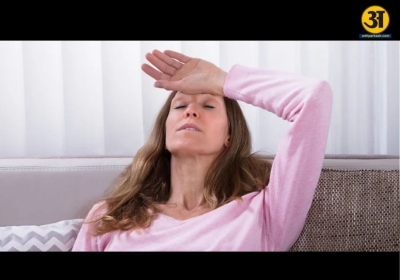
Sweating, hot flashes or chills
Sudden sweating, feeling hot, or getting chills are common physical reactions to anxiety. Your body’s stress system causes changes in blood flow and body temperature, which can lead to these sensations. -
Difficulty concentrating, memory lapses or brain fog
Anxiety affects your mind as well as your body. You may feel distracted, forgetful, or unable to focus on tasks. Studies show that anxiety influences both mental and physical health, and brain fog is often a clear signal that your stress levels are high.
ALSO READ: Smart spending, smart growth: Harnessing public expenditure for India’s future
Why it is important to recognise anxiety early
Your body does not just passively handle anxiety; it communicates through these physical signs. Palpitations, digestive problems, tension, fatigue, and brain fog are all ways your body tells you something is wrong.
If you notice one or more of these symptoms, especially if they occur together or interfere with daily life, it is important to seek professional help. Anxiety disorders are treatable, and early diagnosis can prevent more serious health issues.
Ignoring these signs can lead to prolonged physical and mental stress. Simple lifestyle changes, counselling, or medical treatment can improve both body and mind. Doctors may suggest therapy, relaxation techniques, medication, or a combination of these, depending on the severity of your symptoms.
Remember, anxiety is not a weakness. Your body is giving you warnings, not excuses. By recognising the signs early, you can manage anxiety effectively and reduce its impact on your life.
Pay attention to your body’s signals. When palpitations, shortness of breath, digestive problems, sleep issues, or brain fog appear without explanation, consider anxiety as a possible cause. With timely intervention and proper care, you can regain control over both your mental and physical well-being.
Related News