Reasons why women lose hair and why it is often ignored
From hormones to deficiencies dermatologist explains why women lose hair and why it is ignored
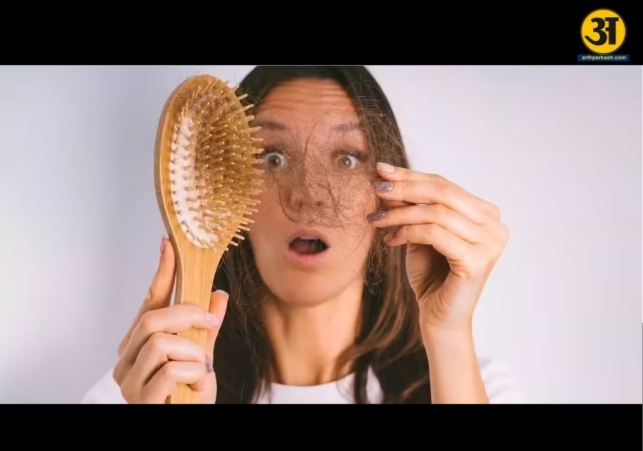
Hair loss in women is much more common than most people realize, but it is often misunderstood and overlooked. Many women notice their hair thinning or shedding more than usual and assume it is caused by stress, ageing, or just a temporary phase. While this may sometimes be true, persistent hair loss is often a sign of deeper health, hormonal, or nutritional problems that need attention.
Dr. Abhishek Pilani, Founder of Assure Clinic and MD Dermatology, Hair Transplant & Restoration Specialist, explains that female hair loss is underdiagnosed not because it is rare, but because it is often misunderstood. Many women do not recognize the early signs, and even when they seek help, the problem is frequently dismissed.
Why women’s hair loss is often missed
Unlike male-pattern baldness, hair loss in women rarely appears as complete bald patches. Instead, it shows up gradually, with subtle signs like a widening part, reduced hair volume, or hair feeling thinner than before. Because these changes happen slowly, many women normalize them or assume the problem will fix itself.
Even when women consult doctors, hair loss is sometimes explained away as seasonal shedding or stress without proper investigation. This lack of early diagnosis allows the problem to progress, making treatment harder and recovery slower.
Cultural and societal expectations also play a role. In many cultures, women are expected to maintain their hair without complaint, leading them to suffer in silence. They may blame themselves for not managing stress or not following the “correct” hair care routine, which adds emotional strain to the physical problem.
Hormonal changes are a major cause of hair loss in women, yet they are often underestimated. Conditions such as PCOS (polycystic ovary syndrome), thyroid disorders, postpartum changes, and peri-menopause can disrupt the normal hair growth cycle. This pushes more hair than usual into the shedding phase, increasing hair loss.
Nutritional deficiencies also contribute. Low levels of iron or vitamin D are common among women and can weaken hair. Chronic inflammation or other underlying medical issues can further damage hair health.
Dr. Pilani emphasizes, “The mistake we often make is treating hair loss without understanding why it’s happening. Without identifying the root cause through blood tests and hormonal evaluation, treatment becomes guesswork.”
ALSO READ: Smart spending, smart growth: Harnessing public expenditure for India’s future
Why early care and proper treatment matter
Quick cosmetic fixes rarely work in the long term. The beauty industry promotes oils, serums, shampoos, and salon treatments that promise fast regrowth. While some of these may improve hair texture or shine temporarily, they do not address the underlying health issues. Aggressive treatments without proper diagnosis may mask symptoms but rarely solve the problem.
Hair loss can also affect a woman’s emotional well-being. It can lower confidence, affect self-image, and create stress or anxiety. Many women suffer quietly, which makes the impact even worse.
A holistic and medical approach is essential for managing hair loss in women. Doctors recommend a thorough evaluation that includes a detailed medical history, blood tests, hormonal assessments, and a review of lifestyle factors. Treatment plans should be personalized, combining medical care, nutritional support, stress management, and realistic expectations. When addressed early, many forms of hair loss are reversible or controllable.
Dr. Pilani says, “Hair loss in women is not a vanity issue. It’s a health issue, and it deserves the same seriousness, empathy, and clinical attention as any other medical condition.”
Women should not normalize hair loss or dismiss it as minor. Listening to the body, asking the right questions, and seeking proper medical care can prevent years of ineffective treatments and emotional distress. Healthy hair starts with understanding the cause of hair loss and treating it as a serious health signal.
Early intervention and proper care can restore hair health, improve confidence, and prevent further complications. Instead of relying on temporary cosmetic solutions, women should focus on identifying and treating the underlying causes. With medical guidance, nutritional support, and lifestyle adjustments, most women can regain healthier hair and maintain it over time.
Related News