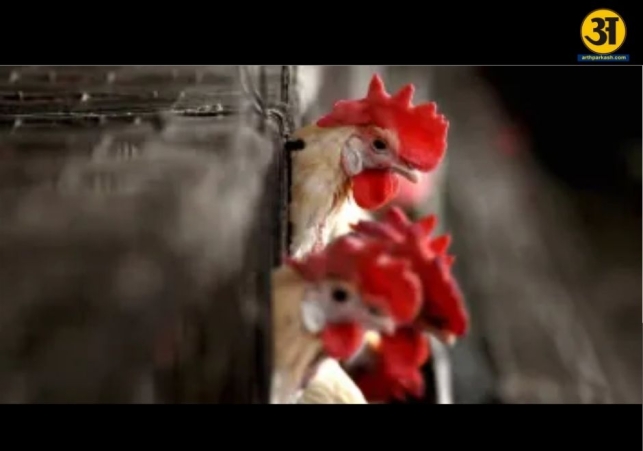
What to know about the bird flu outbreak in Kerala
Bird flu outbreak in Kerala: Causes, risks, symptoms, treatment and what you need to know
An outbreak of bird flu (H5N1) in Kerala’s Alappuzha district has raised concerns across India. Many people are worried because this virus can affect both birds and, in rare cases, humans. Bird flu, also called avian influenza, is mainly a disease of birds, but humans can get infected if they come in close contact with sick birds or contaminated surfaces. Understanding the disease, its symptoms, and prevention methods is important to stay safe.
Bird flu is caused by a virus called avian influenza A(H5N1). This virus spreads easily among birds such as chickens, ducks, and wild waterfowl. Humans usually get infected only if they handle sick or dead birds, touch contaminated surfaces, or work in poultry farms without protective gear. People living in affected areas, poultry workers, and farmers are at the highest risk.
According to Dr Aarti Ullal, a physician at Gleneagles Hospital, anyone who comes into close contact with infected birds should take extreme care. Even simple actions like touching birds without gloves can increase the risk of infection. Awareness and proper hygiene are key to preventing the spread of the virus.
Symptoms and treatment of bird flu in humans
Bird flu in humans usually starts like a common flu. Early symptoms include:
-
Fever
-
Cough
-
Sore throat
-
Fatigue and body aches
-
Difficulty in breathing
In severe cases, the infection can lead to serious health problems such as pneumonia, low blood oxygen, vomiting, diarrhoea, chest pain, and even respiratory failure. People with these symptoms should immediately seek medical attention. Early detection and care can save lives.
Treatment for bird flu involves prompt medical care. Doctors may prescribe antiviral medications to manage symptoms and reduce the severity of infection. Rest, hydration, and monitoring are important. In serious cases where the patient has trouble breathing, hospitalisation is necessary. Home remedies or over-the-counter medicines are not effective against this virus and should not replace professional medical care.
ALSO READ: Smart spending, smart growth: Harnessing public expenditure for India’s future
Preventive measures to reduce bird flu risk
Preventing bird flu is much better than treating it. People at risk should follow simple steps to stay safe:
-
Avoid direct contact with sick or dead birds. Use gloves if you must handle them.
-
Wash hands thoroughly after touching birds, eggs, or contaminated surfaces.
-
Cook poultry products properly before eating. Raw or undercooked meat can be dangerous.
-
Follow local health advisories and avoid visiting areas with known bird flu outbreaks.
-
Consider vaccination against influenza, which can help reduce the severity of symptoms in case of infection.
Farmers, poultry workers, and people living in outbreak zones must stay vigilant. Wearing protective gear while handling birds and practicing good hygiene are essential steps to prevent human infection.
Experts emphasise that bird flu is primarily an animal disease. Human cases are rare but can be serious. Awareness, timely medical consultation, and preventive habits can greatly reduce risks. By following these guidelines, people can protect themselves and help contain the spread of the virus.
Related News