Opposition and government clash over students’ future and exam reforms
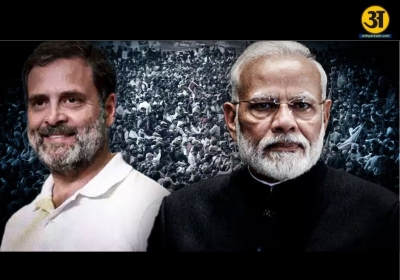
Rahul Gandhi and PM Modi trade sharp words over NEET controversy
The ongoing controversy surrounding the NEET examination has sparked a fresh political confrontation between Congress leader Rahul Gandhi and Prime Minister Narendra Modi. As protests by students and opposition groups continue across the country over alleged irregularities in the examination process, both leaders have exchanged strong statements on who is responsible for protecting the future of India’s youth.
The latest war of words began after Prime Minister Modi announced a series of measures aimed at tackling paper leaks and ensuring accountability in competitive examinations. In response, Rahul Gandhi accused the government of failing students and claimed that the education system had suffered under its watch.
The issue has become one of the most debated topics in national politics, with students, parents, education experts and political parties closely watching how the government addresses concerns related to examination integrity and transparency.
The controversy comes at a time when thousands of students are expressing anxiety about the fairness of competitive exams, which play a crucial role in determining academic and career opportunities for young people across the country.
Rahul Gandhi targets government over education system
Rahul Gandhi launched a sharp attack on the government, accusing it of damaging the future of India’s youth and failing to protect the education system.
In a post on social media platform X, the Leader of the Opposition in the Lok Sabha claimed that the government had allowed the education system to be weakened and had failed to hold responsible individuals accountable.
According to Rahul Gandhi, the concerns raised by students are not isolated incidents but reflect deeper problems within the system. He argued that young people deserve a transparent and trustworthy examination process because their futures depend on it.
The Congress leader stated that students who spend years preparing for competitive examinations deserve fairness and equal opportunities. He suggested that recurring controversies over examination management have created uncertainty and frustration among aspirants.
Rahul Gandhi also highlighted several demands that have been raised by protesting students and opposition groups.
Among these demands is the resignation of Union Education Minister Dharmendra Pradhan. The Congress leader also called for an apology to students who have been affected by the controversy and demanded action against those allegedly involved in incidents related to the protests.
His remarks reflect the broader opposition position that stronger accountability measures are needed within the education sector.
For many students and parents, the controversy has become about more than a single examination. It has raised questions about trust in institutions responsible for conducting some of the country’s most important entrance tests.
The opposition has continued to argue that restoring confidence among students should be a top priority and that concerns raised by candidates deserve serious attention.
ALSO READ: US launches fresh strikes on Iran as tensions rise across the Gulf region
ALSO READ: Ram Temple Trust resumes donation counting with new supervision amid ongoing probe
Government promises strict action
Prime Minister Narendra Modi responded by reaffirming his government’s commitment to protecting the interests of students and ensuring strict punishment for those involved in paper leak cases.
In a message shared on social media, the Prime Minister said that the welfare and future of young people remain among the government’s highest priorities.
He stressed that anyone attempting to harm the future of students would face serious consequences. According to him, the government is determined to strengthen examination systems and prevent such incidents from occurring in the future.
One of the key announcements made by the Prime Minister was the decision to establish fast-track courts to handle cases related to paper leaks and examination fraud.
The objective of these courts would be to ensure quicker investigations, faster trials and stronger punishment for those found guilty. The government believes that swift legal action can act as a deterrent and help restore public confidence in the examination process.
PM Modi also said he had directed concerned authorities and officials to take all necessary measures to address issues related to paper leaks and examination security.
The government has maintained that several steps are already being implemented to safeguard students’ interests and improve the integrity of competitive examinations.
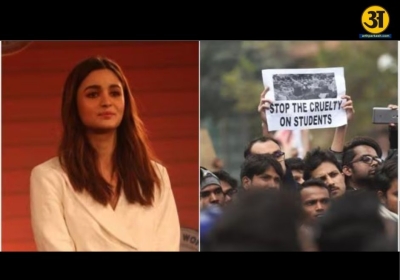
Meanwhile, protests over the NEET controversy continue in different parts of the country.
One of the most visible demonstrations has been taking place at Delhi’s Jantar Mantar, where activists, students and opposition supporters have gathered to demand accountability and reforms in the education system.
Protesters have raised concerns about alleged irregularities in competitive examinations and have called for greater transparency in how such exams are conducted and monitored.
The movement has also gained attention because of the participation of activist Sonam Wangchuk, who joined the protest and later began an indefinite hunger strike in support of students’ demands.
Wangchuk recently stated that he would consider ending his fast if the government assured that no punitive action would be taken against students and young people who participated in the protests.
Following health concerns, he was shifted from Delhi’s Safdarjung Hospital to Medanta Hospital in Gurugram after directions from the Delhi High Court.
The NEET controversy has evolved into a larger national debate about educational governance, examination reforms and the pressures faced by students preparing for highly competitive tests.
For millions of young Indians, entrance examinations represent years of hard work, sacrifice and hope. Any questions about fairness or transparency naturally generate strong emotions and public concern.
As political leaders continue to exchange accusations and promises, students remain focused on one central issue: ensuring that examination systems are fair, secure and trustworthy.
The coming weeks are likely to be crucial as the government moves forward with its proposed reforms, while opposition parties and student groups continue to demand accountability and systemic changes.
Regardless of political differences, there is broad agreement that protecting the future of students is essential. The challenge now lies in translating promises and demands into concrete actions that restore confidence in India’s education and examination systems.
Related News