Glasgow’s scaled-down Games reduce sports and medal opportunities for India
Why cricket, hockey, badminton and wrestling are missing from the Commonwealth Games 2026
The 2026 Commonwealth Games in Glasgow will look very different from previous editions. Several popular sports, including cricket, hockey, badminton, wrestling, table tennis and squash, have been removed from the competition schedule. As a result, athletes who normally represent India in these disciplines will not be part of the Games this year.
The decision has surprised many sports fans, especially in countries like India, where these events have traditionally contributed a large share of medals. The changes mean that India will have fewer opportunities to increase its medal tally despite sending a strong contingent of athletes to Glasgow.
The Games begin on July 23 and will feature only 10 sports, compared to 19 sports at the 2022 Commonwealth Games in Birmingham. Organisers say the reduced programme was necessary to keep the event financially viable and manageable within a limited preparation period.
For India, the impact is significant. Many of the country's top stars, including badminton player PV Sindhu, hockey captain Harmanpreet Singh and several leading wrestlers, will not compete because their sports are not included in this edition.
Why many sports were removed
The biggest reason behind the removal of several sports is the financial challenge faced by the Commonwealth Games.
Originally, the 2026 Games were supposed to be hosted by the Australian state of Victoria. However, in 2023, Victoria withdrew from hosting duties after estimating that the cost of staging the event would be far higher than initially expected.
This created uncertainty about the future of the Games. Glasgow later stepped forward to host the event, but organisers faced a major challenge. They had only about three years to prepare, much less time than is usually available for a multi-sport event of this scale.
To make the Games possible, organisers decided to significantly reduce the size of the event.
Instead of building new facilities, Glasgow chose to use existing infrastructure that had already been developed for the 2014 Commonwealth Games. The city also avoided constructing a new athletes' village, opting to accommodate participants in hotels and existing facilities.
As part of the cost-cutting measures, the number of sports was reduced from 19 to just 10.
The sports that will be contested in Glasgow are:
-
Athletics
-
Swimming
-
Track cycling
-
Weightlifting
-
Boxing
-
Judo
-
Artistic gymnastics
-
Lawn bowls
-
Netball
-
3x3 basketball
Para-sport events will also be held in selected disciplines such as athletics, swimming, track cycling, weightlifting, lawn bowls and 3x3 basketball.
ALSO READ: US launches fresh strikes on Iran as tensions rise across the Gulf region
ALSO READ: Ram Temple Trust resumes donation counting with new supervision amid ongoing probe
The sports removed from the programme include:
-
Cricket
-
Hockey
-
Badminton
-
Wrestling
-
Table tennis
-
Squash
-
Triathlon
-
Rugby sevens
-
Beach volleyball
The absence of these events has dramatically changed the character of the Games.
Many of these sports enjoy huge popularity across Commonwealth nations and have produced memorable moments in previous editions. Their exclusion reflects the organisers' decision to prioritize financial sustainability over maintaining a full sporting programme.
Impact on India’s medal hopes
India is among the countries most affected by the reduced schedule because many of its strongest sports have been removed.
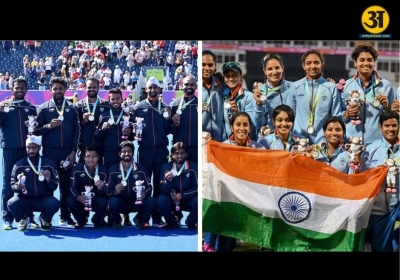
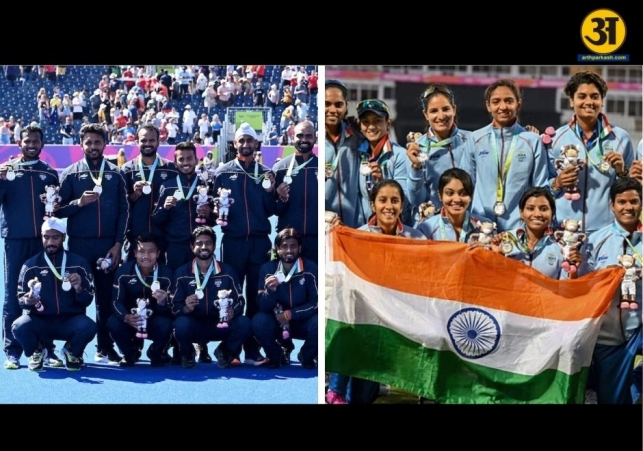
At the 2022 Commonwealth Games in Birmingham, India won 61 medals and finished fourth in the overall standings. A large percentage of those medals came from sports that are no longer part of the Games.
For example:
-
Wrestling contributed 12 medals.
-
Table tennis produced 7 medals.
-
Badminton delivered 6 medals.
-
Hockey added 2 medals.
-
Squash brought 2 medals.
-
Cricket contributed 1 medal.
Together, these sports accounted for a substantial share of India's overall success.
With these events missing, India enters Glasgow with far fewer opportunities to reach a similar medal total.
Many of the country's most recognizable athletes will also be absent. Fans who hoped to watch stars like PV Sindhu, Harmanpreet Singh, Aman Sehrawat and other top performers will have to wait for future international competitions.
India will still rely on strong medal contenders in athletics, weightlifting, boxing and other remaining sports.
Olympic champion Neeraj Chopra is expected to be one of India's biggest attractions in athletics. Olympic medallist Mirabai Chanu will also be among the country's leading hopes in weightlifting.
However, even in the sports that remain, India faces challenges. Some disciplines that previously produced medals have seen mixed results in recent international competitions.
Athletes such as Mirabai Chanu, Lovlina Borgohain and Nikhat Zareen have experienced tough competition at the global level in recent years, highlighting the increasing challenge of maintaining dominance.
Another factor affecting India is the continued absence of shooting and archery. These sports were also not included in the 2022 Commonwealth Games and have historically been among India's strongest medal-producing disciplines.
Without shooting, archery, wrestling, badminton and table tennis, India's traditional strengths are significantly reduced.
Despite these limitations, the Glasgow Games remain important for Indian athletes. The event will provide valuable international competition and an opportunity to test form ahead of the Asian Games in Japan later this year.
The Commonwealth Games will also serve as a stepping stone toward future international events, including the Olympics and world championships.
Looking ahead, there is positive news for Indian sports fans. India is set to host the 2030 Commonwealth Games in Ahmedabad. Hosting the event could allow the country to showcase a broader range of sports and provide home athletes with greater opportunities to compete for medals.
For now, however, the 2026 Commonwealth Games represent a very different version of the event. Driven by financial realities and logistical constraints, Glasgow has chosen a compact and cost-effective model. While this approach ensures the Games continue, it also means fewer sports, fewer athletes and fewer medal chances for countries like India.
As the competition begins, Indian athletes will focus on making the most of the opportunities available, even as fans miss seeing some of the nation’s favourite sports on the Commonwealth Games stage.
Related News