Lancet links prediabetes reversal to major heart health gains
Reversing prediabetes could halve the risk of heart attacks and early death
Prediabetes is often seen as a mild condition that sits somewhere between good health and diabetes. Many people think it can be ignored for years. A new long-term study, however, shows this thinking can be risky. According to research published in The Lancet Diabetes & Endocrinology, bringing blood sugar back to normal levels in people with prediabetes can reduce the risk of heart attack, heart failure, and early death by nearly 50 per cent.
The findings send a strong message: prediabetes is not harmless, but it is reversible. With timely lifestyle changes, people can protect their hearts and live longer, healthier lives.
What prediabetes remission really means
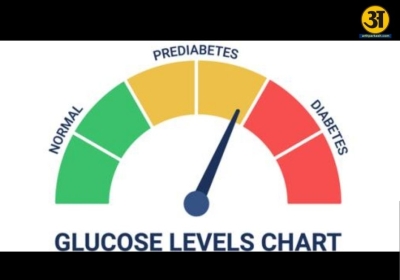
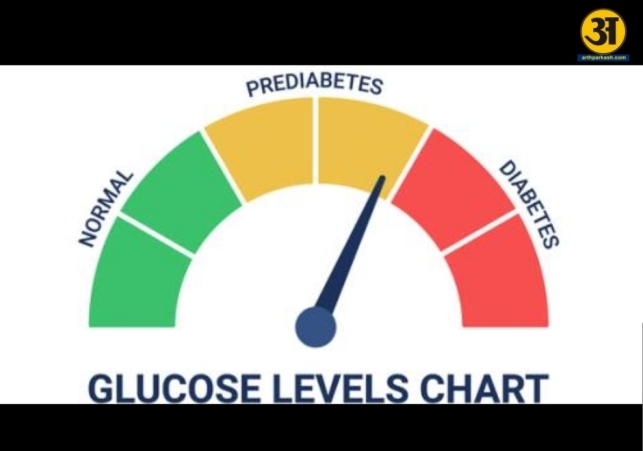
Prediabetes remission simply means returning blood sugar levels to the normal range before type 2 diabetes develops. In this study, researchers found that people who lowered their fasting blood glucose to below 97 mg/dL gained long-term protection against heart disease and early death.
One important finding was that the benefits applied to everyone. Age, body weight, and ethnic background did not change the positive results. This shows that early blood sugar control works across different populations and life stages.
The researchers analysed data from more than 2,400 people with prediabetes using two large studies. One study from the United States followed participants for about 20 years, while another study from China tracked people for nearly 30 years. This long follow-up period allowed scientists to see how early changes in blood sugar affected health over decades.
ALSO READ: Is sugar-free cola actually healthier than regular cola? Experts explain
ALSO READ: No shampoo can make your hair grow; here’s what they actually do
The results were clear. People who achieved remission of prediabetes had around a 50 per cent lower risk of dying from heart-related causes. They also had a much lower risk of heart failure and overall death. These were not short-term improvements. The benefits lasted many years, showing that early action can have lifelong effects.
Prediabetes remission also helped prevent or delay the onset of type 2 diabetes. But the study shows that the benefits go far beyond diabetes prevention. Normal blood sugar levels protect blood vessels, reduce inflammation, and lower strain on the heart.
This is important because heart disease remains one of the leading causes of death worldwide. Many people focus only on blood pressure or cholesterol, but this study highlights blood sugar as another major factor that should not be ignored.
How lifestyle changes protect the heart
One of the most hopeful parts of the study is how remission was achieved. The researchers did not focus on special medicines or advanced treatments. Instead, remission came mainly from lifestyle changes.
Decades of medical evidence already show that regular physical activity helps the body use insulin better and lowers blood sugar. Even simple activities like brisk walking, cycling, or swimming can make a difference when done regularly.
A balanced diet also plays a key role. Reducing sugar and refined carbohydrates, eating more vegetables, fruits, whole grains, and healthy fats, and controlling portion sizes all help stabilise blood glucose levels. Weight management further improves insulin sensitivity and reduces stress on the heart.
Sleep and stress management are also important. Poor sleep and chronic stress can raise blood sugar levels and increase inflammation in the body. Better sleep routines, relaxation exercises, and stress reduction can support long-term blood sugar control.
The study suggests that medical guidelines may need an update. Traditionally, heart disease prevention has focused on controlling blood pressure, lowering bad cholesterol, and avoiding smoking. Researchers now argue that maintaining normal blood sugar in people with prediabetes should be added as a fourth key pillar of heart protection.
The lead author of the study, Dr Andreas Birkenfeld, explained that targeting remission should become a clear goal in healthcare. He said that normalising blood sugar does not just slow down disease but can protect people from serious heart problems over decades.
This is especially important for primary care doctors. Prediabetes is common and often detected during routine health checks. Clear targets, such as bringing fasting glucose back to normal, are easier to follow and measure than vague advice about “slowing progression.”
For millions of people living with prediabetes, this research offers hope. Prediabetes often has no clear symptoms, so many people do not feel sick. This study reframes the condition as a critical window of opportunity rather than a future disaster waiting to happen.
Acting early can prevent diabetes, protect the heart, and reduce the risk of early death. It shows that the body has a strong ability to recover when given the right support at the right time.
Prediabetes does not have to lead to diabetes or heart disease. With timely lifestyle changes and regular monitoring, people can regain normal blood sugar levels and protect their health for decades. The message is simple but powerful: early action can save lives.
Related News