What shampoos can and cannot do for your hair
No shampoo can make your hair grow; here’s what they actually do
- By Gurmehar --
- Friday, 12 Dec, 2025
In the age of social media, it seems like every scroll brings a new hair miracle. From miracle shampoos to DIY masks and potions, the promise is always the same: faster growth, thicker hair, healthier strands. But according to dermatologist Dr BL Jangid, “So far, no shampoo has been made that actually makes your hair grow.” This guide explains what really matters for hair health, what shampoos can and cannot do, and practical steps you can take to support growth.
Many people panic when they see hair fall in the shower. However, some shedding is entirely normal. Dr Jangid explains that losing up to 100 hairs a day is considered healthy. The problem starts when hair fall becomes consistent, the hair part widens, or patches appear on the scalp. Often, hair loss is a symptom, not the main problem. Causes can range from iron deficiency, hormonal changes, stress, genetics, to scalp conditions. Hair and skin act like an internal mirror of your health. Understanding your body’s signals is the first step before seeking a “magic” solution.
What shampoos and oils really do
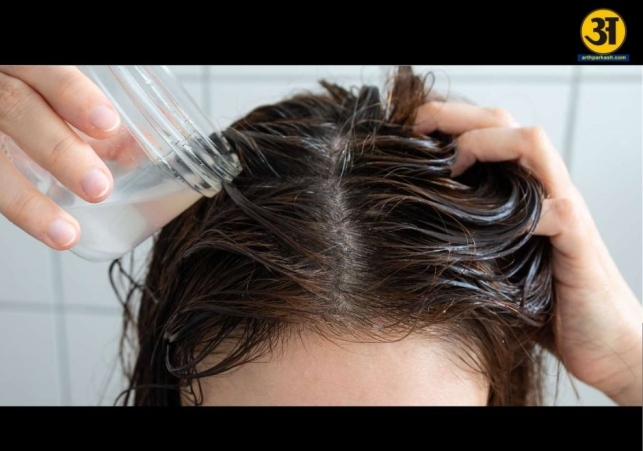
Shampoos are often misunderstood. Their main purpose is cleaning—not regrowing hair. Shampoos remove dirt, oil, sweat, and product build-up, which helps the scalp stay healthy and allows any medicated treatments to work better. But nothing in a shampoo can reach the hair follicle to trigger growth. Think of shampoo as housekeeping, not a renovation tool.
Oils and serums are also popular, but their effects are limited. Onion juice has been studied for a type of hair loss called alopecia areata. It can stimulate some regrowth due to its effect on the scalp, but its results are not guaranteed. Rosemary oil shows some evidence of supporting hair growth, while coconut and castor oil mainly improve hair texture, shine, and frizz control. Dr Jangid warns that over-oiling an already oily scalp can lead to fungal growth. Oils make hair look healthy but do not reverse genetic hair loss or solve severe hair fall.
ALSO READ: The Thinking Game shows Silicon Valley is not thinking deeply about AI
Home remedies like rice water or caffeine treatments offer mild benefits for hair texture and shine. Caffeine may stimulate follicles slightly, but it cannot replace medical treatment for hair loss caused by hormones, stress, or nutritional deficiencies. If hair fall is significant, consulting a dermatologist for diagnosis and treatment is far more effective than relying on DIY solutions.
Hair growth is deeply connected to overall health. Consistency, nutrition, and good habits are key. Dr Jangid recommends “superfoods” such as lentils, leafy greens, nuts, fruits, and protein from dairy or non-vegetarian sources. These provide essential vitamins, minerals, and amino acids needed for healthy hair.
Lifestyle habits also affect hair health. Smoking, excessive alcohol, lack of physical activity, anabolic steroid use, and harsh chemical or heat treatments can all damage hair. Even hard water with high mineral content can make hair brittle and cause breakage. Using a water filter or a softening system can improve hair texture over time.
Understanding common myths helps prevent unnecessary panic. Washing hair frequently does not cause hair fall. Cutting hair does not make it grow faster. Protein deficiency can contribute to hair loss, so maintaining a balanced diet is important. Sulfates and parabens in shampoos are not universally harmful; their impact depends on your scalp type. And while oiling improves shine and strength, it does not trigger new growth.
Medical options for serious hair loss
For significant hair fall, effective treatments go beyond shampoos and oils. Medicated topical treatments like minoxidil can reach hair follicles and stimulate growth. Platelet-rich plasma (PRP) therapy, laser treatments, and hair transplants are options for more severe cases. These treatments work because they directly target hair roots or improve scalp conditions. A proper diagnosis from a dermatologist is essential before choosing the right approach.
Stress management is another critical factor. Chronic stress can disrupt hair growth cycles, leading to shedding and thinning. Adequate sleep, regular exercise, meditation, and relaxation practices support healthier hair over time. Consistency matters more than occasional treatments or trendy products.
In conclusion, no shampoo can make hair grow. While some oils, natural remedies, and lifestyle adjustments may support hair health and improve appearance, they cannot replace scientifically backed treatments when hair loss is severe. Understanding the cause of hair fall is the first step to effective solutions. Paying attention to diet, lifestyle, and proper scalp care creates the foundation for healthy hair.
Dr Jangid emphasizes that hair fall doesn’t happen without a reason. Once the underlying cause is identified, it is possible to take meaningful steps to improve hair health. Avoid chasing miracle products, and focus on consistent care, nutrition, and professional guidance. With the right approach, you can maintain your hair and confidence while supporting natural growth over time.
Related News