Key signs, causes and prevention tips for slipped disc at work
Long desk hours hurting your back? What every professional needs to know about slipped discs
Slipped disc is no longer a problem only linked to old age or heavy physical work. Doctors say it is now increasingly common among young working professionals, especially those with desk jobs. Long hours of sitting, poor posture, lack of movement, and work stress are quietly damaging the spine of people in their late 20s, 30s, and 40s.
A slipped disc, also called a herniated or prolapsed disc, can cause pain, numbness, and weakness that affects daily life and work performance. Many people ignore early warning signs, thinking it is just temporary back pain or work fatigue. This delay often makes the condition worse.
Why desk jobs increase slipped disc risk
The human spine is made of bones called vertebrae, with soft cushions known as discs between them. These discs act as shock absorbers and help the spine move smoothly. When the outer layer of a disc becomes weak or damaged, the soft inner material can bulge out or leak. This puts pressure on nearby nerves, leading to pain and other symptoms.
Doctors say long working hours are a major reason behind the rise of slipped disc cases among professionals. Sitting for six to eight hours or more every day increases pressure on the lower back, especially the lumbar spine. Over time, this constant pressure weakens the discs and affects their alignment.
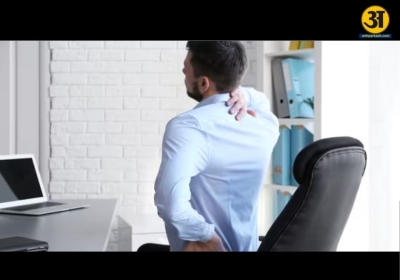
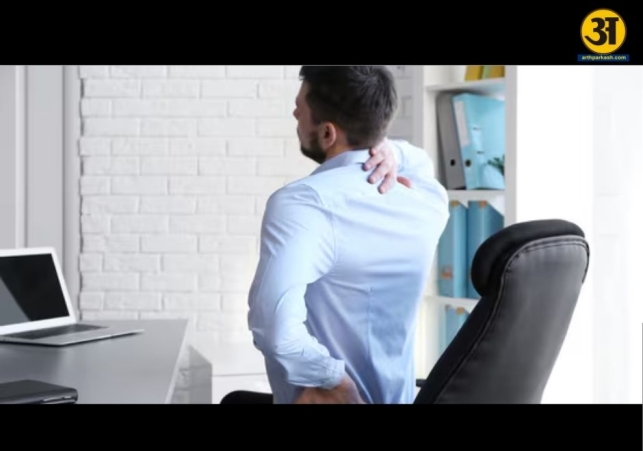
Poor posture is another key factor. Leaning forward toward computer screens, slouching in chairs, or using laptops without proper desk setup adds extra strain on the neck and lower back. Many people work from home or offices without ergonomic furniture, which further increases the risk.
A sedentary lifestyle also plays a big role. Lack of physical activity reduces muscle strength and flexibility. Weak core and back muscles fail to support the spine properly, putting more load on the discs. This makes them more likely to slip or bulge.
Work-related stress should not be ignored either. Chronic stress causes muscle tension, especially around the neck and lower back. Tight muscles increase pressure on the spine and make discs more vulnerable to injury.
ALSO READ: Is sugar-free cola actually healthier than regular cola? Experts explain
ALSO READ: No shampoo can make your hair grow; here’s what they actually do
Some professions involve repeated lifting, bending, or twisting, such as healthcare, logistics, manufacturing, and fieldwork. These movements, if done incorrectly or frequently, can speed up disc damage.
Common symptoms of a slipped disc are often ignored in the early stages. These include persistent lower back or neck pain, pain that travels to the arms or legs (known as sciatica), tingling or numbness, muscle weakness, and difficulty sitting or standing for long periods. Some people feel sharp pain while bending or lifting. In severe cases, problems with bladder or bowel control may occur, which requires immediate medical attention.
Treatment and prevention for working professionals
Doctors diagnose a slipped disc by checking symptoms, posture, movement, and nerve function. Imaging tests like X-rays, CT scans, or MRI scans help confirm the condition and show the exact location of the disc problem.
The good news is that most people recover without surgery. Doctors say nearly 99 per cent of patients improve within two to three weeks with proper care.
Initial treatment focuses on pain relief and reducing inflammation. Warm or cold gel packs can help ease discomfort. Medicines such as painkillers and anti-inflammatory drugs are commonly prescribed. In some cases, nerve pain medicines may be needed.
Physiotherapy is one of the most effective treatments. It includes gentle stretches, posture correction, and exercises to strengthen the core and back muscles. These exercises reduce pressure on the spine and help prevent future problems. In selected cases, doctors may recommend steroid injections to reduce nerve irritation.
Surgery is needed only in severe or long-lasting cases where pain does not improve or nerve damage worsens. A common surgical procedure is microdiscectomy, where only the bulging part of the disc pressing on the nerve is removed. Modern surgical techniques are minimally invasive and used only when absolutely necessary.
Prevention is especially important for people with desk jobs. Setting up an ergonomic workstation can greatly reduce spinal stress. Use a chair with good lumbar support, keep the screen at eye level, use a laptop stand with an external keyboard, and ensure feet rest flat on the floor.
Simple daily habits can also protect the spine. Follow the 20-20-20 rule: every 20 minutes, stand up or stretch for at least 20 seconds. This reduces stiffness and improves blood flow.
Regular exercise is essential. Core strengthening exercises, yoga, stretching, and daily walking help maintain spine health. Doctors recommend aiming for around 10,000 steps a day to stay active.
Maintaining a healthy weight is another key factor. Extra body weight increases pressure on the spine and speeds up disc damage. Stress management techniques like deep breathing, light stretching, and mindfulness help relax tense muscles and support spinal health.
Slipped disc is becoming a modern workplace health challenge. While long working hours may be unavoidable, small lifestyle changes, better posture, regular movement, and early medical care can prevent serious spine problems. Taking care of your spine today helps ensure long-term health, comfort, and productivity at work.
Related News