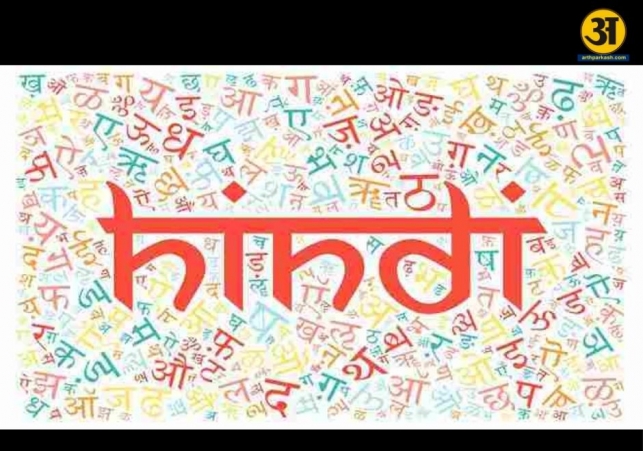
Hindi’s role in shaping India’s national identity
Debating language and unity: Where does Hindi stand in modern India?
In my opinion, the idea of making Hindi the marker of India’s national identity is not only unfair but also dangerous. India is a land of many languages, and our diversity is what makes us strong. While Hindi is spoken by a large number of people, it is still just one of the many languages that Indians use every day. Trying to force Hindi on those who do not speak it creates division instead of unity.
The truth is, language is born out of a need to communicate. When two people speak different languages, they try to find a common way to talk. This is how Hindi became a linking language in many parts of the country. But let’s be clear: just because a language is widely spoken doesn’t mean it should be made the national language. That would ignore the rich cultures and languages of many Indian states.
Some states like Tamil Nadu, West Bengal, Karnataka, and now even Maharashtra are pushing back against what they see as “Hindi imposition.” This is not about disliking Hindi — many people in these states understand and even speak it. But they don’t want to be told that their own languages — Tamil, Bengali, Kannada, or Marathi — are somehow less important.
What’s worrying is that the language debate has become a political tool. Political parties are using it to win votes, and this has made things worse. When language becomes a weapon for politics, it stops being about communication and starts being about control. This kind of emotional use of language can be seen in other countries too — like in Spain with Catalan, or in New Zealand with Maori — but India’s case is more complex because of its size and diversity.
Hindi and Marathi are similar, but still not the same
The recent protests in Maharashtra are especially surprising. Marathi and Hindi are both Indo-European languages, they use the same script (Devanagari), and most Marathi speakers already understand Hindi. So why are people so upset about Hindi being introduced as a compulsory subject?
The answer is simple: it’s not about similarity, it’s about choice. When people feel that their language and culture are being pushed aside, they push back — even if the language being imposed is familiar. People want respect for their own identity. Forcing Hindi without their consent is seen as disrespectful.
Many forget that even Dr. B.R. Ambedkar, the father of our Constitution, warned against creating states based on language. He believed that having linguistic states could one day lead to division in the country. Sadly, that warning is proving true. Today, many Indian states are politically organised around language — and this makes the Hindi debate even more sensitive.
Another problem is that there is no one form of Hindi. The Hindi spoken in Varanasi is different from the Hindi in Patna or Chandigarh. What we call “Hindi” is often a mix of many dialects, with influences from Urdu and other languages. So, when someone says “make Hindi the national language,” what version of Hindi are they talking about?
The National Education Policy 2020 tried to bring in the “three-language formula,” but it left many questions unanswered. Which three languages should students learn? Should the formula be the same in every state? And what if a state doesn’t want to include Hindi? These are big questions that need clear answers. Otherwise, the policy could fail — or worse, create more anger and division.
ALSO READ: Political unity or power pact? Inside India’s most enduring political alliances
ALSO READ: India holds strategic cards as Trump’s rhetoric escalates
As a temporary solution, I believe the central government should declare that no non-Hindi speaking state will be forced to teach in Hindi unless the state agrees to it. This small step could reduce tensions and create space for more peaceful discussions about language and identity in the future.
India is not just Hindi, Hindu, and Hindustan — as some leaders once said in the Constituent Assembly. India is Telugu and Tamil. It is Bengali and Bodo. It is Gujarati and Gondi. Every Indian language is a part of our national identity, and no single language can represent all of us.
In conclusion, Hindi is important, and it connects many Indians. But it cannot and should not be forced as a marker of national identity. Doing so will only divide the country and hurt the unity we have built over the years. Language should bring us together — not push us apart.
Related News