Old friends or smart partners? A look at Indian political alliances
Political unity or power pact? Inside India’s most enduring political alliances
- By Gurmehar --
- Monday, 04 Aug, 2025
In a world where political alliances often shift for convenience, a few strong friendships have stood firm in Indian politics. These relationships have gone beyond party interests and campaign strategies—they’ve built mutual trust, loyalty, and support over decades. On this Friendship Day, it’s a good time to reflect on how some key friendships between Indian political leaders helped shape the country's journey and set an example for respectful cooperation, even across ideological lines.
Old friendships that built parties and strengthened leaders
One of the most well-known friendships in Indian politics was between Atal Bihari Vajpayee and LK Advani. They worked side by side to build the Bharatiya Janata Party (BJP) when it was just starting out. Vajpayee was admired for his calm personality and great speeches, while Advani was known for his strong organisational skills. Together, they helped BJP grow from a small party to one of India’s most powerful political forces.
Their friendship wasn’t just about working together—it was about understanding and respecting each other. Even when they had disagreements, they never let it harm their bond. They stayed loyal to each other for decades, proving that politics doesn’t always have to be about competition. Instead, it can be about teamwork and trust.
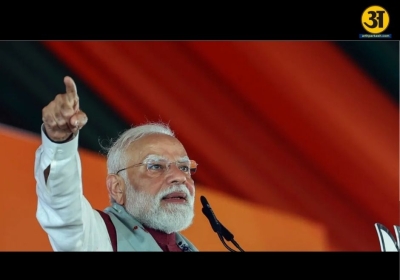
Another strong political friendship is between Narendra Modi and Amit Shah. This duo has led the BJP through two major general election victories in 2014 and 2019. Modi brings mass appeal and leadership, while Shah is known for his sharp planning and ability to organise election campaigns. Their partnership started when Modi was Chief Minister of Gujarat, and since then, they have trusted and supported each other through every major political move, including key decisions like removing Article 370 and launching big reforms.
These friendships show how strong personal bonds can help parties stay united and focused, even when challenges arise. Whether it’s managing internal tensions or responding to national crises, leaders who trust each other can often work more effectively.
Friendships that crossed political boundaries
Not all strong political friendships exist within the same party. One great example of cross-party friendship was between Balasaheb Thackeray, the founder of Shiv Sena, and Sharad Pawar, the head of the Nationalist Congress Party (NCP). Though their political views were very different, their personal relationship remained respectful and friendly for decades.
While Thackeray supported Hindu nationalism and Pawar focused on regional development and inclusiveness, they still found a way to maintain mutual respect. Even when they stood on opposite sides during elections, they didn’t let politics spoil their personal bond. After Thackeray passed away in 2012, Pawar gave a heartfelt tribute, showing that true friendships can survive even political rivalry.
A more recent example of friendship in politics comes from the younger generation. Supriya Sule of the NCP and Anupriya Patel of Apna Dal are both rising women leaders in Indian politics. Despite coming from different states—Maharashtra and Uttar Pradesh—and different parties, they’ve built a strong friendship based on common goals and mutual support.
Their collaboration under the National Democratic Alliance (NDA) has shown that young leaders can also work together across party lines. As women in a mostly male-dominated field, they’ve supported each other’s political growth and stood together on issues like education, health, and women’s empowerment.
ALSO READ: India holds strategic cards as Trump’s rhetoric escalates
ALSO READ: Forensic clue cracks case: Inside the probe that linked guns to Pahalgam attack
One of the most surprising political friendships is between Nishikant Dubey, a BJP MP, and Asaduddin Owaisi, the leader of AIMIM. They represent completely different ideologies—Dubey promotes a secular and development-driven agenda, while Owaisi often speaks up for Muslim community rights. Yet, the two have maintained a strong personal bond over the years.
Dubey once explained that their political views are like railway tracks—they run alongside each other but never meet. Even so, they respect each other deeply and have worked together on certain parliamentary issues. This shows that even in today’s highly polarised environment, it’s still possible for leaders to respect one another and be friends.
Why friendships in politics still matter
In today’s political world, where shifting alliances and party hopping have become common, stories like these give us hope. They remind us that beyond speeches and strategies, politics is also about human connection. These long-lasting friendships show that trust, respect, and shared values can lead to better leadership and a stronger democracy.
Friendships like Vajpayee–Advani and Modi–Shah helped shape political ideologies and guide parties through change. Relationships like Thackeray–Pawar or Dubey–Owaisi prove that you can disagree without becoming enemies. And new friendships like those between Supriya Sule and Anupriya Patel show us that the next generation of leaders can carry these values forward.
As we celebrate Friendship Day, let’s remember that meaningful connections—even in politics—can bring people together, help solve problems, and inspire the nation. These stories show us that real friendship, even in the tough world of politics, still has the power to unite and build.
Related News