Measles outbreak prompts urgent vaccination push in Bangladesh
Bangladesh launches emergency vaccination drive as measles outbreak kills over 100 children
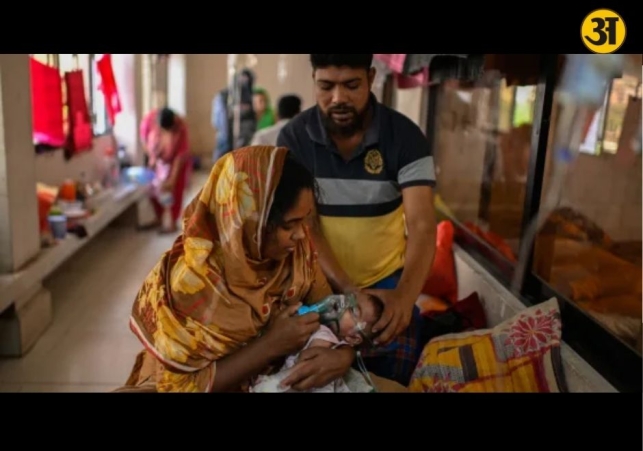
Bangladesh is facing a serious health crisis as a measles outbreak has claimed the lives of more than 100 children in less than a month. In response, the government has started an emergency vaccination campaign to control the spread of the disease and protect young children.
The campaign began in 18 high-risk districts and is focused on vaccinating children between 6 months and 5 years of age. Authorities plan to expand this drive across the country in phases starting next month. The effort is being carried out in partnership with major global health organisations, including the World Health Organization, UNICEF, and the Gavi.
Health officials say the situation is alarming. More than 900 confirmed measles cases have been reported out of around 7,500 suspected cases since mid-March. Experts warn that the actual number of infections could be even higher.
Measles is a highly contagious disease that spreads through the air when an infected person coughs or sneezes. It usually causes fever, cough, runny nose, and a red rash. While many people recover, the disease can lead to serious complications, especially in young children. In severe cases, it can cause pneumonia, brain swelling, and even death.
Health experts stress that vaccination is the most effective way to prevent measles. According to the World Health Organization, at least 95 percent of the population needs to be vaccinated to stop the disease from spreading. However, gaps in vaccination coverage have made children more vulnerable in recent months.
Officials say that many of the affected children were either not vaccinated at all or had not received the full set of doses. Infants under nine months are also at high risk because they are too young to receive routine measles vaccines.
A senior UNICEF official expressed deep concern about the rising number of cases. She highlighted that the outbreak shows serious gaps in immunity, especially among children who missed vaccinations. These gaps have allowed the virus to spread quickly across communities.
The outbreak has put pressure on hospitals, especially in cities like Dhaka, where doctors are treating a growing number of young patients. Medical staff are working around the clock to manage the situation and prevent further deaths.
Vaccine gaps and past disruptions worsen the crisis
One of the main reasons behind the outbreak is a decline in vaccination coverage in recent years. Health authorities say that disruptions in immunisation programs have played a major role in the current situation.
Bangladesh had made strong progress in vaccination over the past decades. Since launching a national immunisation program in 1979, the country increased the number of fully vaccinated children from just 2 percent to over 80 percent. This was seen as a major public health success.
However, recent challenges have slowed this progress. Political instability, changes in government, and administrative issues have affected vaccine supply and distribution. These disruptions have led to shortages of vaccines, including those for measles.
The country went through a period of political upheaval after the removal of former Prime Minister Sheikh Hasina in 2024. An interim government led by Muhammad Yunus took charge before elections were held earlier this year. During this time, health programs, including vaccination campaigns, faced delays and challenges.
The current government has pointed to these disruptions as a key factor behind the outbreak. Officials say that poor planning and failure to maintain vaccine stockpiles in the past created the current shortage.
ALSO READ: Trump signals possible Iran deal while warning of strong military action
ALSO READ: Iran launches manhunt for missing US pilot after fighter jet shot down
Experts also warn that inequalities in healthcare access remain a concern. While urban areas may have better facilities, rural and remote regions often struggle with limited access to vaccines and healthcare services. This makes it harder to reach all children and maintain high immunisation levels.
To control the outbreak, authorities are urging parents to take symptoms seriously and seek proper medical care. Doctors advise against relying on over-the-counter medicines from local shops without proper diagnosis.
If a child develops a high fever or shows signs of measles, parents are strongly encouraged to visit a hospital immediately. Early treatment can help prevent complications and save lives.
The government has also set up support systems, including hospital care and awareness campaigns, to guide families during this crisis. Health workers are actively reaching out to communities to encourage vaccination and educate people about the importance of immunisation.
Despite the current challenges, experts believe that the outbreak can be controlled with quick and coordinated action. The ongoing vaccination drive is a crucial step in protecting children and preventing further spread of the disease.
The situation serves as a reminder that even diseases that are preventable through vaccines can return if immunisation efforts are not maintained. Strengthening healthcare systems and ensuring consistent vaccine coverage will be key to avoiding such outbreaks in the future.
For now, the focus remains on saving lives and ensuring that every child gets the protection they need.
Related News