Lebanon conflict puts US-Iran truce at risk
Hormuz closes again as Lebanon tensions threaten fragile US-Iran ceasefire
The fragile ceasefire between the United States and Iran is already under serious pressure just one day after it was announced. Fresh attacks in the Middle East and the renewed closure of the Strait of Hormuz have raised doubts about whether the agreement will hold.
The ceasefire was meant to pause hostilities for two weeks and open the way for further talks. One of the key conditions set by Donald Trump was that Iran would allow ships to pass freely through the Strait of Hormuz. This waterway is one of the most important routes for global oil transport.
However, Iran has once again closed the strait, saying it is responding to continued attacks by Israel in Lebanon. This move has created a new point of conflict and raised tensions further.
Lebanon emerges as key flashpoint
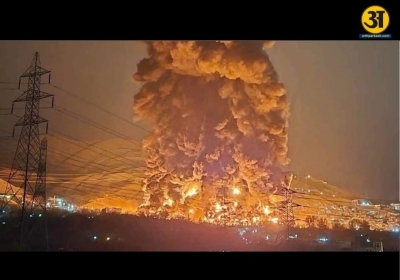
The situation in Lebanon has become central to the crisis. In recent days, the Israel Defense Forces have carried out large-scale airstrikes targeting positions of Hezbollah, a group supported by Iran.
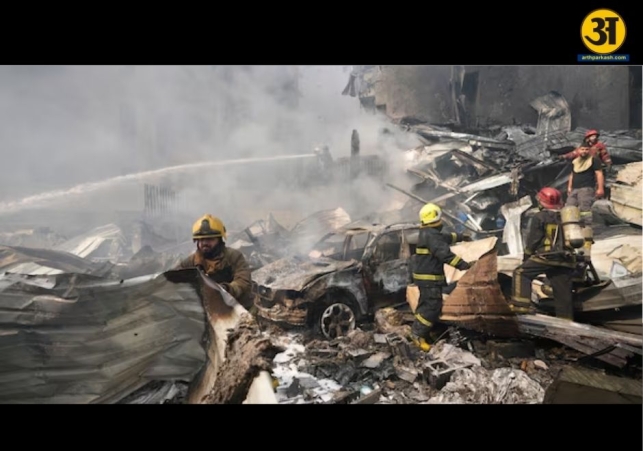
Reports say that around 182 people were killed and more than 800 injured in a single day of strikes. The attacks hit several areas, including parts of Beirut, southern Lebanon and the Bekaa Valley.
According to reports, Israel fired around 100 missiles within just 10 minutes in an attempt to eliminate Hezbollah leaders. The strikes also hit residential and commercial areas, leading to heavy destruction and civilian casualties.
Israel has said that Hezbollah operates from civilian locations, which is why such areas were targeted. However, local residents and officials have denied this claim, saying that civilians were hit without warning.
Hezbollah has long been involved in conflict with Israel and is closely linked to Iran. This connection has made the situation more complicated, as actions in Lebanon directly affect Iran’s decisions.
Iran has stated that stopping Israeli attacks in Lebanon was part of its ceasefire understanding. Its officials, including Foreign Minister Abbas Araghchi, have said that the violence in Lebanon violates the spirit of the agreement.
However, both Israel and the United States have denied that Lebanon was included in the ceasefire deal. Israeli Prime Minister Benjamin Netanyahu and US officials have made it clear that the truce only applies to direct conflict between the US and Iran.
This disagreement over whether Lebanon is part of the ceasefire has created confusion and increased tensions.
ALSO READ: Iran proposes oil transit fee in cryptocurrency during fragile Hormuz ceasefire
Hormuz closure adds global concern
The renewed closure of the Strait of Hormuz has serious global implications. This narrow waterway is used to transport a large share of the world’s oil and gas.
Even before the latest closure, ship traffic had already slowed down. According to reports, only a small number of vessels were able to pass through the strait in recent days.
Iranian forces have reportedly turned back several ships and are closely monitoring all movement in the area. In addition, Iran is said to be asking ships to pay a fee of up to $1 per barrel of oil transported through the strait.
This could significantly increase the cost of shipping oil, especially for large tankers that carry millions of barrels at a time.
The closure has raised concerns among global markets, as any disruption in oil supply can lead to price increases and economic uncertainty worldwide.
Meanwhile, diplomatic efforts are still ongoing. Delegations from the United States and Iran are expected to meet in Islamabad for further talks to finalise the ceasefire agreement.
However, the situation remains uncertain. Continued attacks in Lebanon and disagreements over the terms of the ceasefire could make it difficult to reach a lasting solution.
In conclusion, the conflict in Lebanon has become a major obstacle in maintaining the US-Iran ceasefire. With the Strait of Hormuz closed again and tensions rising, the coming days will be crucial in deciding whether peace talks can succeed or if the region will see further escalation.
Related News