Israel holds off gas field attacks after US request
Netanyahu pauses Iran gas field strikes after Trump request amid rising Middle East tensions
- By Gurmehar --
- Friday, 20 Mar, 2026
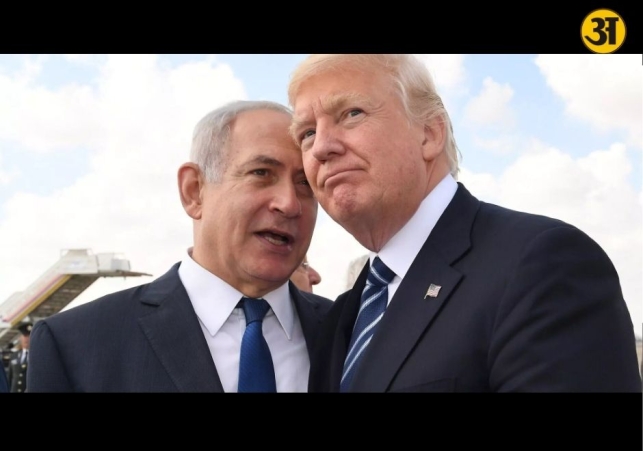
Israel’s Prime Minister Benjamin Netanyahu has said that his country will hold off on further attacks on Iran’s offshore gas fields. This decision came after a request from former US President Donald Trump, at a time when tensions in the Middle East are already very high.
The announcement follows recent attacks and counterattacks between Israel and Iran, which have affected energy supplies and increased fears of a wider conflict. Netanyahu confirmed that Israel would pause strikes on Iran’s South Pars gas field, one of the largest natural gas reserves in the world.
He said that although Israel had acted alone in earlier attacks, it remains closely coordinated with the United States. Netanyahu also described Trump as a strong ally and said both leaders are working together on key decisions.
This move is being seen as an attempt to reduce tensions, especially after Iran’s strong response to earlier strikes.
Rising tensions in the region
The situation between Israel and Iran has become more serious in recent weeks. The conflict started to escalate after joint military action by the United States and Israel on February 28. Since then, both sides have carried out several attacks targeting military and energy infrastructure.
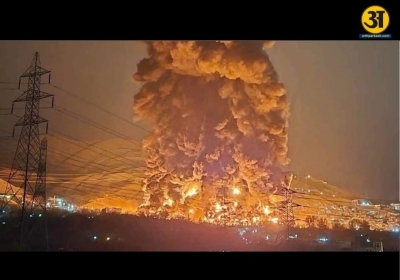
One of the most important incidents was Israel’s strike on the South Pars gas field. In response, Iran launched attacks on oil and gas facilities across the Gulf region. These actions have increased the risk of a wider regional conflict.
The situation has also affected important global trade routes. The Strait of Hormuz, through which a large portion of the world’s oil is transported, has been disrupted. This has created concerns about global energy supply and security.
Reports suggest that ships in the region have also been targeted. A vessel caught fire near the coast of the United Arab Emirates, while another was damaged near Qatar. In addition, an Iranian drone reportedly struck a refinery in Saudi Arabia, which was being used as an alternative route for oil transport.
These developments show how the conflict is spreading beyond just Israel and Iran, affecting other countries in the region as well.
ALSO READ: Afghanistan and Pakistan agree to temporary ceasefire ahead of Eid amid rising tensions
Impact on global energy markets
The ongoing conflict has had a major impact on global energy prices. With key supply routes under threat, oil and gas prices have increased sharply.
Brent crude oil prices briefly rose above $119 per barrel, marking a significant increase since the conflict began. Natural gas prices in Europe have also doubled in the past month, adding pressure on economies already dealing with inflation.
Experts say that the closure or disruption of the Strait of Hormuz is one of the main reasons behind the price rise. Since a large share of global oil passes through this route, any instability in the area can quickly affect markets worldwide.
The attacks on energy infrastructure have also raised concerns about long-term supply. If the conflict continues, it could lead to further shortages and higher costs for consumers.
Meanwhile, the leadership situation in Iran has also changed. After the reported death of Supreme Leader Ayatollah Ali Khamenei in earlier strikes, his son Mojtaba Khamenei is said to be leading the country. Despite losses, Iran is still capable of launching missile and drone attacks, especially targeting neighbouring countries.
Netanyahu claimed that Iran’s ability to develop nuclear weapons and ballistic missiles has been weakened. However, he did not provide evidence to support this statement.
The decision to pause attacks on gas fields may help reduce immediate tensions, but the overall situation remains uncertain. Analysts believe that while this step shows some restraint, it does not mean the conflict is over.
In conclusion, Israel’s decision to hold off attacks on Iran’s gas fields, following Donald Trump’s request, is an important development in a tense situation. It reflects efforts to avoid further escalation, especially in areas that directly affect global energy supply.
However, with ongoing military actions, rising fuel prices, and regional instability, the conflict continues to pose serious challenges. The coming days will be crucial in determining whether this pause leads to a broader de-escalation or if tensions rise again.
Related News