Afghanistan and Pakistan pause fighting before Eid
Afghanistan and Pakistan agree to temporary ceasefire ahead of Eid amid rising tensions
Afghanistan and Pakistan have announced a temporary pause in fighting ahead of the festival of Eid al-Fitr. The decision comes after months of rising tensions, cross-border clashes, and recent deadly incidents that have increased pressure on both countries to reduce violence.
The announcement was confirmed by Afghan government spokesperson Zabiullah Mujahid, who said that the pause in hostilities was made after requests from countries like Saudi Arabia, Turkey, and Qatar. Pakistan had earlier also announced a similar halt in strikes, showing that both sides are willing to step back, at least for a short period.
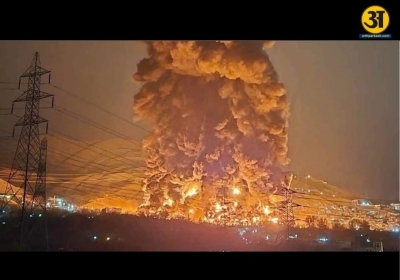
This development is important because it comes at a time when the conflict between the two neighbours has reached a serious level. Just two days before the ceasefire announcement, Afghanistan accused Pakistan of carrying out an airstrike in Kabul. According to Afghan officials, the strike hit a drug treatment hospital and resulted in a large number of casualties.
The incident has raised strong concerns internationally and added urgency to calls for peace. The temporary ceasefire is being seen as a humanitarian step, especially as people prepare to celebrate Eid, one of the most important festivals in the Muslim world.
Rising conflict and recent tensions
The conflict between Afghanistan and Pakistan has been ongoing for the past few months, with frequent cross-border firing and airstrikes. The situation worsened in late February, when both sides began accusing each other of supporting militant activities.
Pakistan has claimed that Afghanistan is providing shelter to militants, especially the Pakistani Taliban, who have been involved in attacks inside Pakistan. According to Pakistani authorities, these groups operate from Afghan territory and pose a major security threat.
However, Afghanistan has strongly denied these allegations. The Afghan leadership has said that it does not support any group that carries out attacks against another country. This disagreement has been one of the main reasons behind the ongoing conflict.
ALSO READ: Trump says Israel will not use nuclear weapons against Iran amid conflict
The situation became more serious after reports of airstrikes in Afghan cities, including Kabul. The recent attack on the Omid hospital has shocked many people. The hospital, which had around 2,000 beds, was being used to treat people struggling with drug addiction.
According to officials, the hospital had recently been expanded as part of efforts to deal with Afghanistan’s growing drug crisis. The airstrike reportedly took place at night, causing heavy damage and loss of life. Ambulances were seen carrying victims, and mass funerals were held for those who died in the incident.
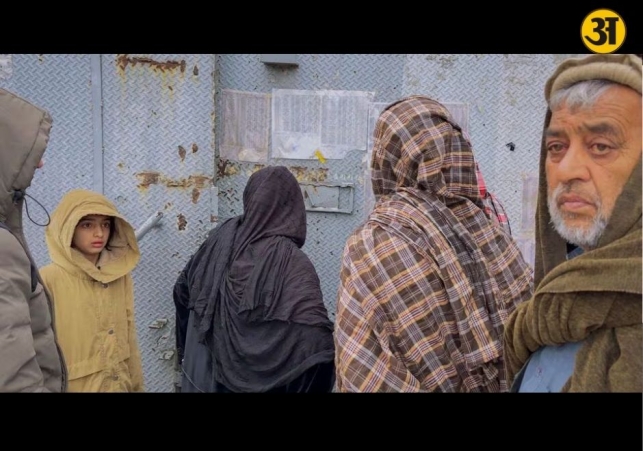
Scenes from Kabul showed long lines of coffins being taken to burial grounds, highlighting the human cost of the conflict. Many families are still waiting to receive the bodies of their loved ones, while others are mourning those already identified.
Ceasefire offers hope but uncertainty remains
The temporary pause in fighting has brought a sense of relief to people in both countries. For many, it is an opportunity to celebrate Eid in peace, without fear of violence or sudden attacks.
However, experts believe that this ceasefire may only be a short-term solution. The main issues between the two countries, including border disputes and accusations of supporting militant groups, remain unresolved.
While the involvement of countries like Saudi Arabia, Turkey, and Qatar has helped in bringing both sides to the table, a long-term solution will require continued dialogue and trust-building.
The international community has been urging both Afghanistan and Pakistan to avoid further escalation. Prolonged conflict not only affects the two countries but also has wider implications for regional stability.
For now, the focus is on maintaining the ceasefire during the Eid period. Authorities on both sides are expected to monitor the situation closely to ensure that the pause in fighting is respected.
The coming days will be crucial in determining whether this temporary peace can lead to more serious talks in the future. If both sides use this opportunity wisely, it could open the door to a more stable relationship.
In conclusion, the decision by Afghanistan and Pakistan to pause fighting ahead of Eid is a positive step in a tense situation. It shows that even during conflict, there is room for dialogue and humanitarian consideration.
However, lasting peace will depend on addressing the deeper issues that have caused tensions between the two countries. Until then, the ceasefire remains a small but important step toward reducing violence and bringing hope to people affected by the conflict.
Related News