Iran rejects US claims of ongoing talks
Iran denies talks with US during war as Trump claims negotiations are ongoing
The ongoing conflict between Iran and the United States has taken a new diplomatic turn, with both sides offering completely different versions of reality. While Washington claims that negotiations are progressing, Tehran has firmly denied any talks since the war began.
The Iranian Foreign Ministry has made it clear that there have been no direct or indirect negotiations with the United States during the 31 days of conflict that started on February 28. This statement directly contradicts claims made by US officials, including former President Donald Trump, who suggested that discussions are actively taking place.
The situation highlights the deep mistrust between the two countries and raises questions about whether any real diplomatic progress is being made behind the scenes.
No talks during conflict
According to Iranian officials, the country has not engaged in any formal dialogue with the United States since the conflict began. Iranian Foreign Ministry spokesperson Esmaeil Baqaei stated that while the US has sent proposals, these do not count as negotiations.
He explained that messages from the US were delivered through intermediaries, including Pakistan. However, Iran has not responded by entering into any structured or official talks.
Baqaei stressed that Iran’s focus remains on defending itself during the ongoing conflict. He also referred to past experiences, saying that Iran does not trust US intentions due to what it sees as repeated failures of diplomacy.
This strong stance reflects Iran’s position that meaningful negotiations cannot take place while military actions are still ongoing. According to officials, the intensity of the conflict leaves no room for diplomatic engagement at this stage.
At the same time, Iran has rejected claims that it is secretly negotiating through back channels. Officials insist that no such discussions are taking place, either directly or indirectly.
ALSO READ: Israel suspends battalion after CNN journalist assaulted in West Bank, probe ordered
Conflicting claims from Washington
Despite Iran’s denial, the White House has maintained that communication with Iran is ongoing and even making progress. US officials have suggested that talks are happening through diplomatic channels, even if they are not publicly acknowledged.
White House Press Secretary Karoline Leavitt said that public statements from Iran may not reflect what is happening privately. According to her, discussions are continuing and are moving in a positive direction.
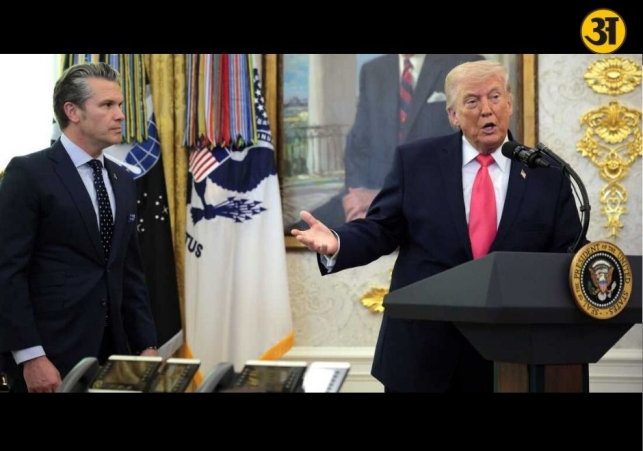
Former US President Donald Trump also added to the confusion by claiming that the United States is negotiating with Mohammad Bagher Qalibaf, a senior Iranian political figure.
However, Qalibaf has denied these claims. He stated that any mention of talks is misleading and suggested that interactions involving intermediaries were not actual negotiations. He also indicated that such developments might be linked to strategic or military considerations rather than diplomacy.
Trump further escalated tensions by issuing strong warnings. He suggested that if a deal is not reached soon, the US could take severe action against Iran’s infrastructure. This includes potential strikes on energy facilities, oil sites, and other critical assets.
Such statements have increased concerns about the possibility of further escalation in the region. They also make it more difficult for both sides to move towards peaceful dialogue.
The disagreement between Iran and the United States highlights the complexity of modern diplomacy, especially during times of conflict. While one side claims progress, the other denies any engagement, leaving the international community uncertain about the truth.
This situation is not unusual in global conflicts. Governments often present different narratives for strategic reasons, including managing public opinion and maintaining political leverage.
The broader impact of this standoff goes beyond just the two countries. The conflict has implications for regional stability, global energy markets, and international security. Tensions in areas like the Strait of Hormuz, a key route for oil shipments, could have worldwide consequences.
In addition, the lack of clear communication increases the risk of misunderstandings. Without confirmed dialogue, there is a greater chance of miscalculations that could worsen the conflict.
Observers believe that for any real progress to happen, both sides will need to move beyond public statements and engage in genuine negotiations. However, this may not be possible until the intensity of the conflict reduces.
In conclusion, the current situation between Iran and the United States remains highly uncertain. While Washington claims that talks are ongoing, Tehran has firmly denied any such engagement.
This gap in narratives reflects the deep mistrust between the two sides and the challenges of diplomacy during active conflict. As tensions continue, the world will be closely watching for any signs of real dialogue or de-escalation.
The coming days will be crucial in determining whether the situation moves towards negotiation or further confrontation.
Related News