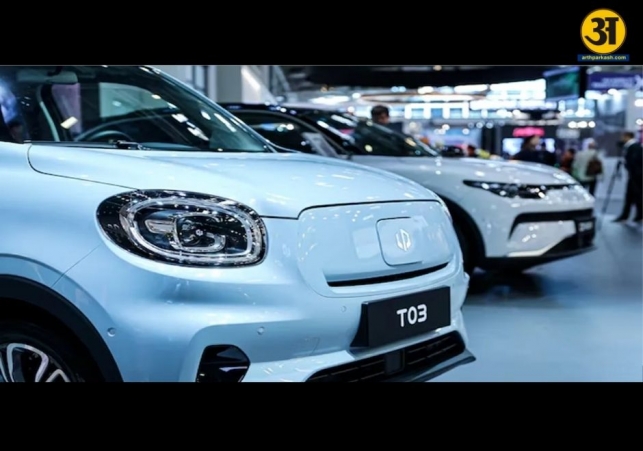
Are electric vehicles in India a smart shift or a premature gamble?
Electric vehicles in India: Are we buying into hype or facing hidden hassles?
Electric vehicles (EVs) are being called the future of mobility, and I don’t disagree. But as someone who’s spent over two decades in industries ranging from e-commerce to supply chain management, I can’t help but ask—are EVs in India truly a step forward, or are we forcing a premature transition?
India has big goals—30% electric vehicle sales by 2030—and is offering subsidies and tax incentives. But despite the push, adoption remains slow. A recent LocalCircles survey showed that just 5% of car buyers are seriously considering EVs in 2024. That’s telling.
Lack of options is hurting the market
Let’s face it—most people want choice. Right now, Indian buyers are stuck with a handful of EV manufacturers: Tata Motors, MG, Hyundai. While they’ve made good progress, the range of models, price points, and features is still limited. We need healthy competition to bring down prices and bring in innovation. Until that happens, most people will stick to what they know.
Range anxiety is a real fear
I’ve spoken to dozens of people who want to buy an EV but worry constantly about the range. In India, especially outside metros, long drives are common. A 200–300 km range just doesn’t cut it. And real-world figures are even lower. Many EVs that claim 400 km offer barely 280–300 km on Indian roads. Add traffic, air conditioning, and poor roads, and it gets worse.
Charging is still an urban privilege
Yes, we’re seeing more charging stations in cities like Delhi, Mumbai, and Bengaluru. But what about smaller towns or highways? Most of India still doesn’t have access to reliable public charging, and that’s a major barrier. Without a strong charging infrastructure, how can we expect people to switch?
The price tag doesn’t fit middle-class pockets
The INR 8–10 lakh segment is where the majority of Indian car buyers live. But most EVs are priced higher. Even with subsidies, the entry-level buyer feels left out. Unless we bridge this price gap, EVs will remain an urban luxury.
Charging at home isn’t always possible
Here’s another India-specific problem: high-rises. Many residential societies don’t allow EV chargers in parking areas due to power load or safety concerns. That means no home charging, forcing people to rely on public stations—if they exist. It’s not convenient, especially for families with busy routines.
The resale value is disappointing
If you plan to sell your EV in a few years, don’t expect much. The resale market is weak because of battery lifespan concerns and rapid tech updates. People are afraid of battery replacement costs, and that fear drives down resale prices. It’s a valid concern that needs addressing.
Too much tech can feel alienating
Modern EVs are essentially computers on wheels. While this sounds great on paper, not everyone is comfortable with tech-heavy systems. Older buyers or first-time EV users struggle with software, updates, and diagnostics. And repairs? They’re expensive and rare. This complexity adds to consumer hesitation.
After-sales service is nowhere near ready
This one’s personal. Many EV owners I know complain about poor service. Dealerships don’t have trained technicians, and response times are painfully slow. Without reliable after-sales support, people don’t feel confident about long-term ownership.
ALSO READ: 6 digital health trends changing the future of healthcare
ALSO READ: 6 Smart Home upgrades that add real value
No freedom to customise
Unlike petrol or diesel vehicles, EVs offer little flexibility for aftermarket accessories. Even minor customisations risk voiding the warranty. Many owners feel boxed in—no personalisation, no modifications. That hurts the ownership experience.
Confusion over battery warranty is real
Even with 8-year warranties, people aren’t sure what happens after that period. Will they get a full battery replacement? A partial one? What’s the cost? EV technology is evolving so quickly that consumers fear being stuck with obsolete batteries and no affordable replacement options.
Why some owners still say “it’s worth it”
In fairness, not all feedback is negative. Many EV owners love the savings on fuel, the low maintenance, and the fact that it’s eco-friendly. Those with home chargers enjoy the convenience. And some just take pride in owning a vehicle that represents the future.
But even they agree—EVs require planning, adjustment, and a shift in expectations. This isn’t a simple switch from petrol to plug.
So, is India ready for EVs? Not quite yet
Let’s not confuse hesitation with unhappiness. Indians aren’t against EVs—they’re just not convinced yet. The tech is impressive, but affordability, infrastructure, and service still lag behind.
If automakers and policymakers can work together on practical fixes, we might see real progress. Until then, for most Indians, EVs remain more hype than habit.
Related News