HC questions delay in DA for Punjab employees
Punjab and Haryana High Court seeks details on DA payments to top officers amid discrimination claims
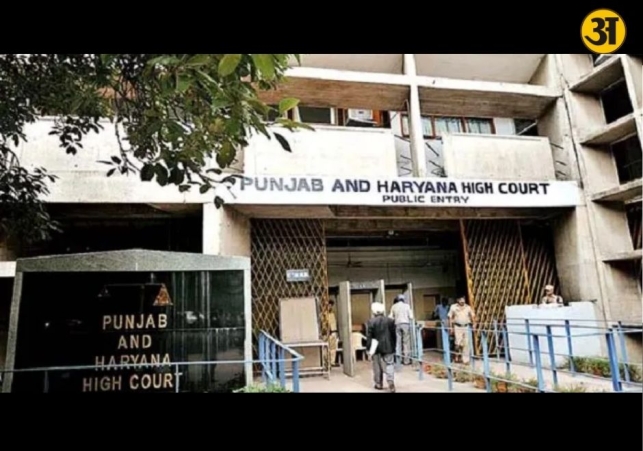
The Punjab and Haryana High Court has asked the Punjab government to provide detailed information about the payment of dearness allowance (DA) to senior officers, including IAS, IPS, IFS, and judicial officers. This direction came after a group of lower-rung government employees filed a petition alleging discrimination in the release of DA.
The case highlights growing concerns among state employees and pensioners who claim that they have not received their DA installments on time, while senior officers continue to get their dues regularly. The matter was heard by a bench led by Justice HS Brar, who took note of the arguments presented by the petitioners.
The court has directed the principal secretary of the Punjab finance department to file an affidavit. This affidavit must clearly state up to which date DA installments have been paid to All India Service (AIS) officers and judicial officers working in the state. The court has also asked whether these payments follow the same pattern as those given to central government employees.
In addition, the court wants to know if the salaries and allowances of senior officers are paid from the same consolidated fund as other state employees. This question is important because it relates to the issue of equal treatment and fairness in government payments.
Allegations of unequal treatment
The petitioners have argued that there is clear discrimination in how DA is being paid. According to them, senior officers such as IAS, IPS, and IFS officials, along with judicial officers, have been receiving their DA regularly and on time. These payments are reportedly made according to the central government pattern, which ensures timely revisions.
On the other hand, regular state employees and pensioners have faced delays in receiving their DA installments. The petition claims that several installments due from July 2023 onwards have not yet been released. This has caused financial stress for many employees who depend on these payments to manage rising living costs.
Dearness allowance is an important part of a government employee’s salary. It is revised twice a year, usually on January 1 and July 1, based on changes in the All India Consumer Price Index. The purpose of DA is to help employees cope with inflation and maintain their standard of living.
The petitioners pointed out that Punjab has historically followed the central government pattern for DA payments. This practice has been consistent since the recommendations of the first pay commission. The state has also adopted the recommendations of the 5th and 6th Punjab Pay Commissions, which support parity with central government rates.
However, despite these policies, the petitioners claim that the state government has failed to release DA on time in recent years. They also mentioned that even when payments are made, they are often delayed. For example, the installment due on January 1, 2023, was only paid on November 1, 2024.
The petitioners argue that this delay amounts to “hostile discrimination” because employees in similar positions are being treated differently. While senior officers receive timely payments, others are left waiting for months or even years.
Court seeks clarity and accountability
Taking these concerns seriously, the high court has asked the Punjab government to provide a clear explanation. The affidavit must include details about whether any DA installments are still pending for the period between July 1, 2023, and July 1, 2025.
The court has also set a deadline for submitting this information. If the affidavit is not filed by April 1, the principal secretary has been asked to appear in person before the court. This shows that the court is taking the matter seriously and expects a timely response.
Earlier, on March 13, another bench of the high court had already directed the state government to clear pending pension revisions and DA arrears by April 30, along with 6 percent interest. This indicates that the issue of delayed payments has been ongoing and affects a large number of employees.
Lawyers representing the petitioners, including Sunny Singla, told the court that the government had earlier assured that all employees would be treated equally in terms of DA benefits. However, this promise has not been fully implemented.
The case has raised important questions about fairness and transparency in government policies. If employees in similar roles are treated differently, it can affect morale and trust in the system. Ensuring equal treatment is not just a legal requirement but also important for maintaining a healthy work environment.
Experts say that timely payment of salaries and allowances is essential for the smooth functioning of government services. Delays can lead to dissatisfaction among employees and may also affect their performance.
In conclusion, the Punjab and Haryana High Court’s intervention has brought attention to a critical issue affecting thousands of government employees and pensioners. By seeking detailed information and accountability, the court aims to ensure that all employees are treated fairly.
The outcome of this case could have a significant impact on how DA and other benefits are managed in the state. As the government prepares to respond, employees across Punjab will be closely watching the developments, hoping for a fair and timely resolution.
Related News