Army to install wind turbines at 20 border sites, says CM
Himachal CM announces army plans for wind energy projects in border zones
Shimla is set to see new energy and development projects in its border regions, as announced by Himachal Pradesh Chief Minister Sukhvinder Singh Sukhu. The Indian Army is planning to set up wind turbines at 20 locations along the state’s borders. These projects aim to generate between 68,000 and 80,000 kWh of energy annually, enough to provide electricity for 120 to 160 households. The chief minister assured the Army of the state government’s full support in implementing these initiatives.
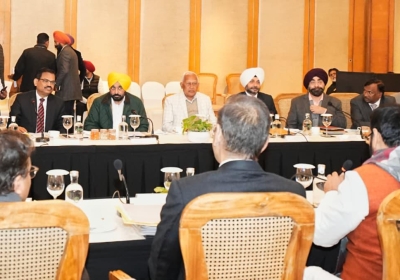
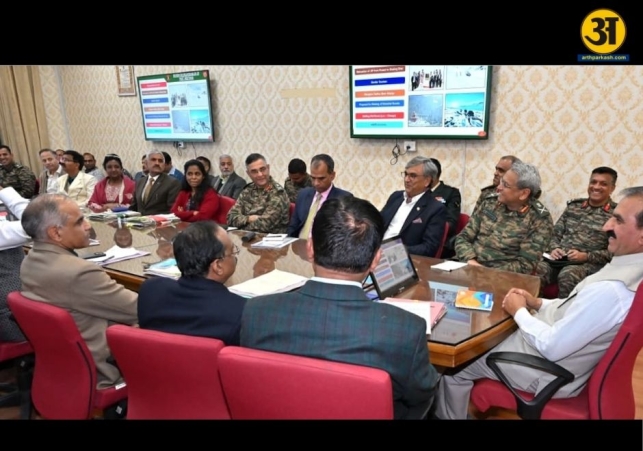
The announcement came after a meeting between CM Sukhu and senior officers of the Indian Army’s Central Command. During the meeting, they reviewed various ongoing and proposed projects in Himachal Pradesh, highlighting the state’s commitment to development, tourism, and sustainable energy. The wind turbine project is part of a broader vision to improve infrastructure and energy resources in the border regions while also supporting local communities.
Border tourism and infrastructure development
The CM highlighted the success of the border tourism initiative, a joint effort by the Himachal government and the Indian Army. Tourist numbers in these areas have increased significantly, rising from around 21,000 visitors in 2024 to over 70,000 in 2025. This three-and-a-half-fold growth shows that the initiative is attracting attention and encouraging more travel to remote border regions.
Officials have been directed to ensure hassle-free facilities for tourists to make their visits comfortable and enjoyable. The government has also written to the Union government regarding the resumption of trade through the Shipki La pass, receiving positive feedback. Thanks to these efforts, India and China have agreed to re-open border trade via Lipulekh Pass, Shipki La Pass, and Nathu La Pass.
In addition to tourism, CM Sukhu reviewed the proposed airport project at Rangrik, urging the Army to expedite work. Once completed, the airport is expected to improve connectivity and boost tourism in the region. The development of infrastructure alongside energy projects demonstrates the state government’s holistic approach to supporting economic growth in border areas.
Collaboration between HPU and Indian Army
In a separate development, Himachal Pradesh University (HPU), Shimla, signed a memorandum of understanding (MoU) with the Indian Army. Brigadier Anurag Pandey signed on behalf of the Army, while Professor Mahavir Singh, Vice-Chancellor of HPU, represented the university. The MoU aims to promote research and development collaboration between the Army and HPU.
The partnership will focus on multiple areas. These include joint historical research on Indo-Tibet linkages, economic and development studies in border regions, and research on drone technology and counter-drone measures. Cybersecurity initiatives and green energy projects are also part of the collaboration, along with strategies for mass communication and information sharing.
ALSO READ: The AI boom: innovation surge or bubble waiting to burst?
ALSO READ: The fall of the Berlin Wall: A turning point that reshaped global politics
The MoU allows exchange of faculty and staff for research and academic cooperation and the organization of joint seminars, workshops, and training programs. Indian Army personnel will also have the opportunity to pursue academic courses at HPU. According to CM Sukhu, this agreement marks the start of a strong partnership aimed at promoting sustainable development, innovation, and strategic growth in the border areas of Himachal Pradesh.
The projects and collaborations reflect Himachal Pradesh’s focus on combining defense, education, and energy initiatives to create opportunities in remote areas. By linking research, tourism, and green energy, the state government aims to foster economic growth, enhance security, and provide academic and professional opportunities for both civilians and army personnel.
Through these steps, Himachal is positioning itself as a model for how border states can develop responsibly while supporting national defense and environmental sustainability. The wind turbine project, airport development, and HPU-Army collaboration together show a long-term vision for balanced development in the state.
Local communities are expected to benefit from increased tourism, better infrastructure, and energy projects that can provide electricity and support local livelihoods. The initiative also highlights how partnerships between government, military, and educational institutions can bring significant advantages to the region.
As the projects move forward, authorities are working to ensure timely execution and proper coordination among various stakeholders. The positive response from tourists and the support of the state and central governments suggest that these projects could bring lasting benefits to Himachal’s border areas.
In conclusion, the wind turbine installations, border tourism promotion, Rangrik airport, and the MoU between HPU and the Indian Army together mark a new phase of development in Himachal Pradesh. These initiatives combine energy, education, defense, and tourism to create opportunities, improve infrastructure, and strengthen the state’s border regions while supporting sustainable growth.
Related News