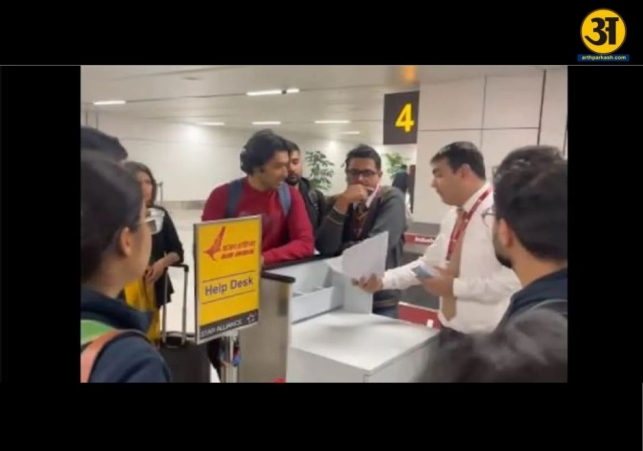
Air India fixes glitch after flight delays
Air India restores check-in systems after nationwide delays hit morning flights
A major check-in problem affected several airports across India on Tuesday evening, causing delays for many airlines and inconveniencing thousands of passengers. The issue happened due to a technical fault in a third-party system that multiple airlines rely on for their check-in processes. Because of this, airlines were unable to issue boarding passes smoothly, which slowed down operations at airports.
Later in the day, Air India announced that the problem had been resolved and that flight operations had returned to normal. Passengers were informed through an official statement on X, where the airline confirmed that the system was stable again. Air India also assured travellers that check-in services were functioning normally across all airports and that flights were now running as per schedule.
Airline says system restored and operations normal
Air India’s update on X said that the third-party system was “fully restored” and that passengers could now check in without any issues. The airline thanked passengers for their patience and understanding during the disruption. The message also confirmed that all flights were operating as planned.
Before the issue was fully resolved, Air India had acknowledged the disruption and explained that it had affected multiple airlines, not just Air India alone. The airline said its airport teams were working hard to assist passengers and reduce inconvenience during the unexpected delay. Staff members were deployed across check-in counters to manage the situation in the best possible way and ensure that passengers eventually got their boarding passes.
Even though the system was being restored gradually, Air India warned that some flights might continue to face minor delays until the system was completely stable. Airlines generally rely heavily on automated systems for smooth airport functioning, and a glitch in one part of the system can cause delays across several points in the check-in and boarding process.
To help travellers avoid last-minute stress, Air India advised passengers to check their flight status before leaving for the airport. The airline also recommended that travellers reach the airport earlier than usual so that they would have enough time in case of any leftover delays caused by the glitch.
The disruption once again highlighted how dependent modern air travel is on digital processes. Even a small technical issue can quickly impact large numbers of flights and passengers, as check-in systems are deeply connected with boarding, baggage handling and departure schedules.
Similar technical issue caused major delays at Delhi airport last month
This was not the first time that operations at Indian airports were disrupted due to technical problems. A similar incident took place just last month at Delhi’s Indira Gandhi International Airport, affecting more than 400 flights in a single day.
At that time, the issue was linked to the Automatic Message Switching System (AMSS), which helps air traffic control and airlines exchange important flight information. A fault in the IP-based system led to major delays in both domestic and international flights. Airlines such as Air India, Indigo and SpiceJet were among those affected.
Because the system was not functioning properly, long queues formed at the airport as staff struggled to keep up with manual processes. Flight operations slowed down, and passengers faced long waiting times. The disruption highlighted how essential digital systems are in managing the high volume of flights that operate daily from major airports like Delhi.
ALSO READ: Global alert issued as 6,000 jets face urgent updates to prevent flight-control failures
Following the glitch, officials conducted a review meeting chaired by the Secretary of the Ministry of Civil Aviation (MoCA). Senior members from the Airports Authority of India (AAI) and the Air Navigation Services (ANS) were present. During the meeting, detailed discussions took place about the cause of the fault and measures needed to avoid similar incidents in the future. Clear instructions were issued to quickly restore the system and strengthen the monitoring of essential technical infrastructure.
During the disruption, air traffic controllers had no choice but to prepare flight plans manually using the information available. Preparing flight plans is a detailed and technical process, and doing it manually takes significantly more time. This contributed to the long delays, as each flight needed proper clearance and planning before takeoff. The increased workload and slow pace added to the congestion at the airport.
Importance of reliable digital systems in air travel
The two recent incidents — the nationwide check-in glitch and the technical failure at Delhi airport — show how important reliable digital systems have become for smooth air travel. From check-ins and security checks to baggage scanning and flight planning, many steps in the process depend on software platforms and automated systems.
Airlines and airport authorities often use third-party technology for such tasks. While these systems make work faster and more efficient, a single error can impact large numbers of flights almost instantly. This is why aviation authorities regularly emphasise system testing, backup plans and quick response teams.
Passengers, too, are becoming more aware of how much technology influences their travel experience. Airlines like Air India advise travellers to always check their flight status online and reach the airport earlier when large disruptions are reported.
For now, Air India has confirmed that Tuesday’s glitch has been fully resolved and that operations are running smoothly. However, the recent incidents underline the need for strong digital infrastructure to ensure smooth and timely flight operations across the country.
Related News