Why Gen Z is moving away from traditional office spaces
Why traditional offices are no longer working for Gen Z, explains design expert
Workplaces around the world are going through a quiet but important change. The traditional office setup, which once worked well for many years, is no longer meeting the expectations of a new generation of employees. Gen Z, the youngest group in the workforce today, is bringing new ideas about what work should feel like and how offices should be designed.
Earlier, offices were built with a clear focus on structure and efficiency. Rows of desks, fixed working hours, and strict routines were seen as the best way to maintain productivity. However, this approach is now being questioned. According to design expert Sammeer Pakvasa, Managing Director and CEO of Eleganz Interiors Limited, the definition of a “healthy workplace” has changed significantly over time.
Today, a workplace is not just about getting work done. It is also about how employees feel when they are at work. Comfort, flexibility, and emotional wellbeing have become just as important as performance and output.
What Gen Z expects from workplaces
Gen Z employees look at work differently compared to older generations. For them, a job is not just about completing tasks or meeting deadlines. It is also about finding meaning, feeling comfortable, and being part of a positive environment.
This generation values flexibility in a big way. They do not like rigid schedules or fixed seating arrangements. Instead, they prefer the freedom to choose how and where they work. This could mean working from different areas within the office or even combining office work with remote work.
Another important factor for Gen Z is a sense of belonging. They want to feel connected to their workplace and colleagues. Offices that feel cold, formal, or overly structured often fail to create this connection. As a result, employees may feel disengaged or less motivated.
Wellbeing is also a key priority. Gen Z is more aware of mental health than previous generations. They expect workplaces to support their overall health, not just their productivity. This includes comfortable seating, good lighting, proper ventilation, and spaces where they can relax or take breaks.
In simple terms, Gen Z does not separate work and wellbeing. For them, both are closely linked.
ALSO READ: UAE announces exit from OPEC and OPEC+ amid global energy crisis
Why traditional office designs are falling short
Traditional office designs were created at a time when work was more predictable and structured. These spaces were built to maintain order and hierarchy. While this worked in the past, it does not suit the fast-changing and flexible nature of today’s work environment.
One major issue is the lack of flexibility. Fixed desks and rigid layouts do not allow employees to adapt their workspace based on their needs. For example, some tasks require quiet focus, while others need collaboration. A single type of workspace cannot support both effectively.
Another problem is the lack of engagement. Offices that focus only on function often ignore how people feel. When employees do not feel comfortable or inspired in their environment, their productivity and satisfaction can drop.
Design also plays a bigger role today than it did before. Simple factors like natural light, open spaces, and good air quality can make a big difference in how people experience their workplace. Poor design can lead to stress, fatigue, and lack of motivation.
Moreover, the rise of remote work has changed how people view offices. Many employees now ask a simple question: why come to the office at all? If the office does not offer anything beyond what they can get at home, it loses its purpose.
Because of this, experts believe that offices need to evolve. Instead of focusing only on efficiency, they should focus on experience. This means creating spaces that encourage collaboration, creativity, and connection.
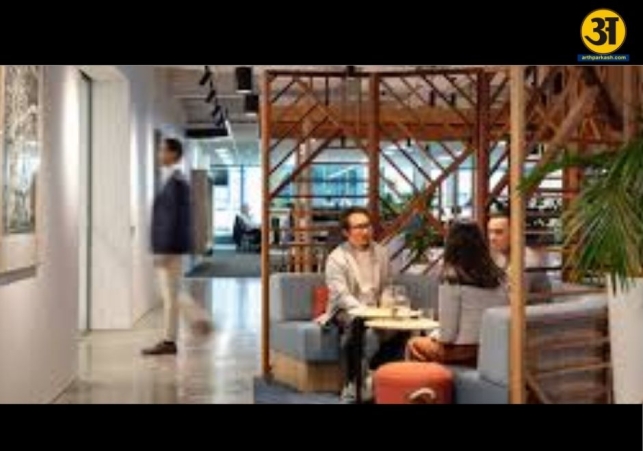
Modern offices are now moving towards mixed layouts. These include open areas for teamwork, quiet zones for concentration, and informal spaces for relaxation. Such designs allow employees to choose what works best for them at any given time.
At the same time, workplace culture is becoming just as important as physical design. Employees want to feel heard, respected, and included. A well-designed office can support this by encouraging interaction and creating a sense of community.
In the end, the role of the office is being redefined. It is no longer just a place to work. It is a place to connect, learn, and collaborate. For Gen Z, this shift is not optional, it is expected.
As workplaces continue to change, companies that adapt to these new expectations are more likely to attract and retain young talent. Those that stick to old models may find it harder to stay relevant in the future.
Related News