UAE to leave oil groups from May 1 as markets face war-driven uncertainty
UAE announces exit from OPEC and OPEC+ amid global energy crisis
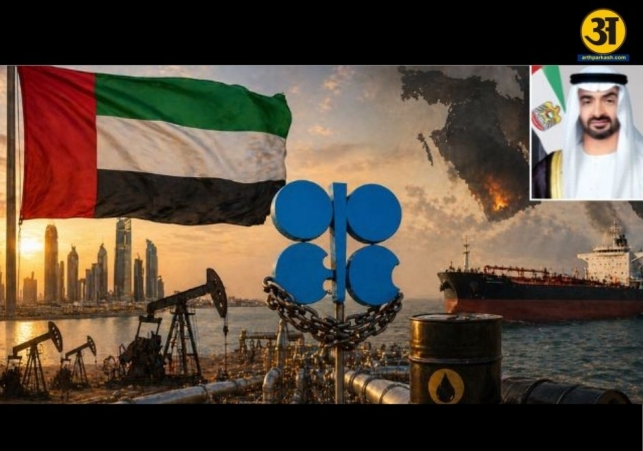
In a major move that could reshape global energy markets, the United Arab Emirates (UAE) has announced that it will leave OPEC and OPEC+, with the decision set to take effect on May 1. The announcement comes at a time when the world is already dealing with higher oil prices, supply fears, and growing uncertainty linked to conflict involving Iran.
The UAE said the decision reflects its long-term economic strategy and changing energy priorities. Officials stated that the country wants more flexibility in managing production, investments, and future market demand. The UAE added that it remains committed to being a reliable and responsible energy supplier to the world.
The decision is being seen as one of the biggest changes in the oil market in recent years because the UAE has long been one of the most important members of OPEC. It has played a key role in production planning, pricing strategy, and coordination with other major oil-producing countries.
OPEC, short for the Organization of the Petroleum Exporting Countries, was formed in 1960 to help oil-producing nations work together and influence the global oil market. OPEC+ is a larger alliance that includes OPEC members and other producers such as Russia. Together, these groups have had major influence over world oil supply and prices for years.
The UAE’s exit may reduce the strength and unity of these groups. Analysts say it could encourage other members to seek more independence in the future, especially countries that want to increase production without quota restrictions.
Why the UAE is leaving now
Experts say the UAE has for some time wanted greater freedom over how much oil it can produce. The country has invested heavily in expanding its production capacity and has aimed to increase output in coming years. However, being part of OPEC and OPEC+ meant following agreed supply targets.
By leaving the groups, the UAE may gain more control over how quickly it raises production. This could help it earn more revenue and increase market share when conditions improve.
There have also been reports of policy differences between the UAE and Saudi Arabia, another major OPEC power. While both countries remain important regional partners, they have not always agreed on oil quotas, economic competition, and regional strategies.
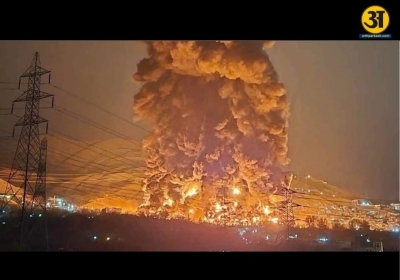
The timing of the exit is also important. Global oil markets are already under pressure because of conflict linked to Iran and disruptions in the Strait of Hormuz, one of the world’s most important shipping routes for crude oil and liquefied natural gas. Nearly one-fifth of global energy supplies pass through that route. Any tension there can quickly move prices higher.
Because of these disruptions, the immediate effect of the UAE leaving may be limited. Even if the country wants to pump more oil, transport and regional security issues could slow actual supply increases in the short term.
Still, traders and governments are watching closely because the long-term effects could be much bigger.
What it means for oil prices and the world
Oil prices have already risen sharply in recent weeks due to fears of supply shortages. After the UAE announcement, markets reacted cautiously. Some analysts believe more independent production from the UAE could eventually increase supply and help calm prices. Others warn that losing OPEC discipline may lead to greater price swings. (Reuters)
If OPEC becomes weaker, the group may find it harder to coordinate production cuts or increases during future crises. That could create a more volatile market where prices rise or fall more sharply based on global events.
For oil-importing countries like India, price stability is extremely important. Higher crude prices often lead to increased fuel costs, transport expenses, and inflation. If the market becomes unstable, governments may face more pressure to manage domestic prices.
For consumers worldwide, the UAE’s move could have mixed effects. In the long term, more supply from independent producers may lower prices. But in the short term, war risks and shipping problems may keep energy costs high.
The UAE is one of the world’s leading oil producers and also a fast-growing investor in natural gas, petrochemicals, renewables, and low-carbon energy projects. Its decision suggests that countries rich in energy resources are looking for more flexible strategies rather than relying only on traditional alliances.
Some experts believe this may mark the start of a new phase in global energy politics, where national interests become stronger than collective oil cartel rules.
About OPEC and OPEC+
OPEC currently includes major producers such as Saudi Arabia, Iraq, Iran, Kuwait, Venezuela, and others. OPEC+ adds non-member allies including Russia. The alliance became especially important after 2016, when producers began working together more closely to manage supply and prices.
The UAE joined OPEC through Abu Dhabi in 1967 and remained a major member after the UAE was formed in 1971. Leaving after decades of membership is therefore a historic step.
A turning point for energy markets
The UAE’s decision to leave OPEC and OPEC+ is more than a political headline. It could change how oil is produced, priced, and controlled in the years ahead.
While immediate market movements may still depend on the Iran conflict and shipping routes, the long-term message is clear: one of the world’s biggest producers wants to chart its own path.
That may reshape the balance of power in global energy markets for years to come.
Related News