When PCOS symptoms should not be ignored
PCOS symptoms explained: When acne, hair growth and irregular periods need medical attention
- By Gurmehar --
- Sunday, 22 Mar, 2026
Polycystic Ovary Syndrome, commonly known as PCOS, is a hormonal condition that affects many women, especially during their reproductive years. It is often misunderstood because its symptoms may seem common and harmless at first. Acne, unwanted facial hair, and irregular periods are usually ignored or blamed on lifestyle, stress, or genetics. However, when these signs appear together, doctors say they may indicate something more serious.
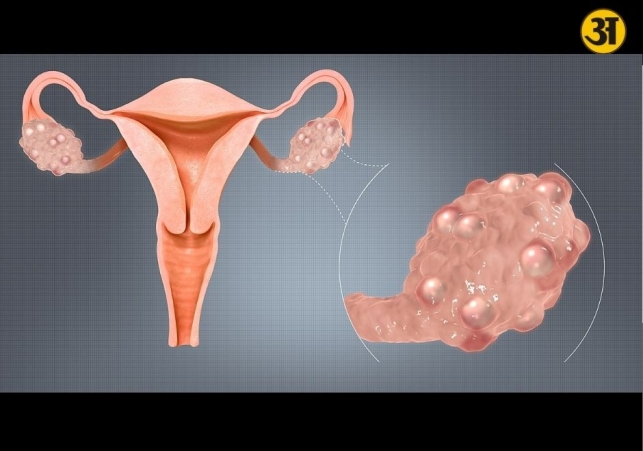
PCOS occurs when there is a hormonal imbalance in the body. In this condition, the ovaries produce higher levels of androgens, which are often called male hormones. This imbalance can disturb the normal menstrual cycle and lead to visible changes in the body. While the condition is common, it is often diagnosed late because the early signs are not taken seriously.
Many women experience small changes over time without realising that they are connected. For example, periods may become irregular or delayed. Acne may continue even after teenage years. Some women may also notice unusual hair growth on the face, chest, or stomach. At the same time, hair on the scalp may become thinner. These changes can be confusing, and many people treat them separately instead of looking at the bigger picture.
Early signs matter
One of the main reasons PCOS is overlooked is that its symptoms develop slowly. Unlike sudden illnesses, PCOS does not appear overnight. It builds up gradually, making it harder to identify in the beginning.
Adult acne is one of the most common signs. While acne during teenage years is normal, persistent acne in the mid-20s or later may be a warning sign. This type of acne usually appears around the jawline, chin, chest, or back. It may not respond well to regular skincare treatments.
Unwanted hair growth is another important symptom. Thick and dark hair on areas like the chin, upper lip, or stomach may indicate increased androgen levels. This condition is known as hirsutism. It can affect confidence and emotional well-being.
Irregular periods are also a key sign of PCOS. Some women may have very long gaps between cycles, while others may miss periods completely for months. This happens because the ovaries do not release eggs regularly.
Doctors say that when these symptoms appear together, it is important to seek medical advice. Ignoring them can delay diagnosis and treatment.
ALSO READ: Netanyahu pauses Iran gas field strikes after Trump request amid rising Middle East tensions
ALSO READ: Afghanistan and Pakistan agree to temporary ceasefire ahead of Eid amid rising tensions
When to seek help
Not every case of acne or hair growth is linked to PCOS. Mild symptoms can be normal. However, certain patterns should not be ignored.
If periods become highly irregular or stop for several months without pregnancy, it is important to consult a doctor. Similarly, if acne does not improve despite treatment, it may need further evaluation. Rapid increase in facial hair or sudden weight gain can also be warning signs.
Doctors may recommend blood tests to check hormone levels. These tests help understand whether there is an imbalance in the body. In some cases, an ultrasound may also be suggested to examine the ovaries. The tests vary depending on age, symptoms, and medical history.
Early diagnosis plays a very important role in managing PCOS. While the condition cannot be completely cured, it can be controlled effectively with proper care. Treatment usually depends on the main concerns of the patient. Some may need help with regulating periods, while others may focus on reducing acne or hair growth.
Lifestyle changes are often the first step in managing PCOS. Regular exercise, healthy eating, and proper sleep can help improve hormone balance. Stress management is also important, as stress can worsen symptoms.
In some cases, doctors may prescribe medication. These medicines help regulate hormones, control acne, and manage other symptoms. The treatment plan is usually personalised based on the individual’s needs.
Understanding PCOS is important because it affects more than just physical appearance. It can also impact emotional health and long-term well-being. Women with PCOS may face challenges related to fertility, weight management, and metabolic health. This is why early awareness and timely action are essential.
Another important aspect is awareness. Many women hesitate to talk about symptoms like facial hair or irregular periods. Social stigma and lack of information often prevent them from seeking help. Educating people about PCOS can encourage early diagnosis and better management.
In conclusion, PCOS is a common but often ignored condition. Symptoms like acne, unwanted hair growth, and irregular periods should not be dismissed, especially when they appear together. Paying attention to these signs and seeking medical advice can make a big difference.
With early diagnosis, proper treatment, and healthy lifestyle habits, women with PCOS can manage their symptoms and lead normal, healthy lives. The key is to listen to the body and not ignore the warning signs.
Related News