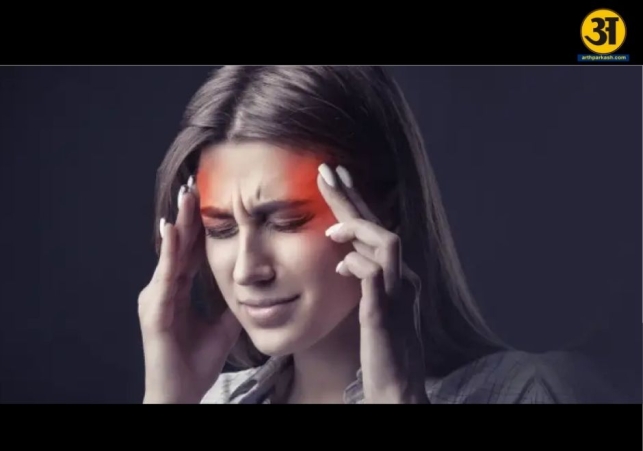
When a severe headache may point to a possible stroke
A sudden, intense headache can signal a serious medical emergency
Headaches are common in daily life. Long work hours, stress, screen time, lack of sleep, or skipping meals often trigger them. Most people ignore headaches and carry on. But not all headaches are harmless. Doctors warn that a sudden, very severe headache should never be ignored. It may be a warning sign of a serious condition, including a stroke. People sometimes describe such headaches as a “lightning bolt” or the worst pain of their life.
Dr Mithilesh Kumar, Consultant Neurologist at Manipal Hospital, Ghaziabad, explains that these sudden, severe headaches can sometimes signal a stroke. In these cases, every minute matters. Delays in treatment can cause permanent brain damage, long-term disability, or even death. Recognising the warning signs early and seeking immediate medical care can save lives.
A stroke happens when blood flow to the brain is blocked or when a blood vessel in the brain ruptures and bleeds. Brain cells begin to die within minutes without oxygen and nutrients. While a sudden headache may be the first sign, other warning signals often appear at the same time.
These symptoms can include sudden weakness or numbness, usually on one side of the body, difficulty speaking or understanding simple sentences, blurred or double vision, unexplained dizziness, loss of balance, or extreme tiredness. If a headache comes with any of these signs, it is a medical emergency and requires immediate hospital attention.
Why stroke headaches happen and how they are treated
Severe headaches linked to strokes usually have an underlying cause. High blood pressure is a common factor. Over time, it can weaken blood vessel walls, making them more likely to rupture. Another cause can be an aneurysm, which is a weak spot in a blood vessel that balloons outward. If it bursts, it can cause internal bleeding and a sudden, intense headache.
Blood clots are another major cause. Heart problems, high cholesterol, or irregular heartbeats can lead to clots forming in the body. These clots may travel to the brain and block blood flow, causing a stroke. Sometimes, even minor head or neck injuries can damage arteries and lead to delayed strokes. Lifestyle factors like smoking, stress, diabetes, or obesity can also increase the risk.
ALSO READ: US strikes Venezuela, captures Nicolas Maduro, but is it legal under international law?
Treatment depends on the type of stroke. If the stroke is caused by a clot, doctors may use clot-busting medications, but these must be given quickly to be effective. In more severe cases, surgical procedures such as thrombectomy are needed to remove the clot. After initial treatment, patients often need rehabilitation therapies, including physiotherapy, occupational therapy, and speech therapy, to regain movement and communication skills.
The speed of treatment is critical. The faster a stroke patient receives care, the better the chances of recovery. Early intervention can prevent permanent brain damage, protect memory and speech, and improve the patient’s ability to perform daily activities independently.
Dr Kumar emphasizes that a sudden, severe headache should never be ignored or treated lightly. Self-medicating or waiting it out can be dangerous. A headache may be the brain’s way of signaling a serious problem that needs urgent attention. Recognising the difference between a normal headache and a stroke-related headache can save lives and reduce long-term complications.
Even people without previous health issues can experience stroke-related headaches. Being aware of risk factors—such as high blood pressure, diabetes, smoking, heart conditions, and high cholesterol—can help identify when a headache might be more serious than usual.
In conclusion, headaches are common, but sudden and extremely painful headaches are different. They may be a warning of a stroke, especially if accompanied by weakness, speech problems, vision changes, or dizziness. Understanding the warning signs and seeking immediate medical help can prevent permanent damage, improve recovery, and save lives. Acting fast doesn’t just save life—it protects memory, movement, speech, and independence.
Related News