VB-G RAM G bill compared with MGNREGA explained
VB-G RAM G bill vs MGNREGA: Key differences, new initiatives and opposition’s concerns explained
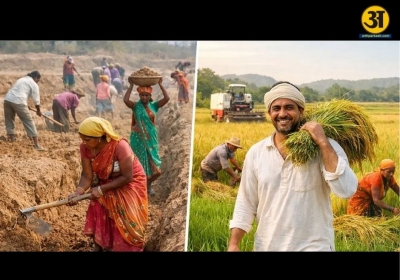
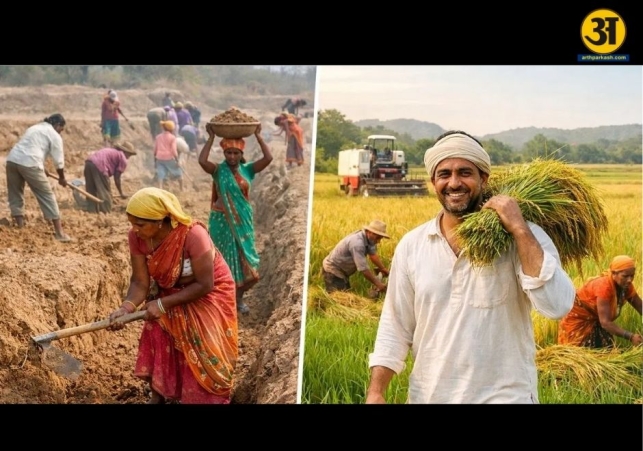
The Lok Sabha on Thursday approved the Viksit Bharat Guarantee for Rozgar and Ajeevika Mission (Gramin) Bill, also called the VB-G RAM G bill. This bill replaces the older MGNREGA, which guaranteed 100 days of work to rural workers. The new bill guarantees 125 days of wage employment to unskilled workers in villages every year.
The government says this new law will help rural development faster and ensure transparency and accountability. It also includes new safety and administrative provisions. The law empowers gram panchayats and village sabhas to decide what work should be done in their area.
Union Minister Shivraj Singh Chouhan, who introduced the bill, said it is meant to provide more jobs to poor people, protect their dignity, and help elderly people, differently-abled persons, women, and people from Scheduled Castes and Scheduled Tribes. He added that the bill will also focus on creating water security through lakes, micro-irrigation channels, and rural infrastructure. It will also prepare villages for extreme weather events.
The government has said that the law matches the vision of Viksit Bharat. It will give rural households more employment opportunities and strengthen their livelihoods. The Centre has allocated ₹95,000 crore for the scheme.
However, the Opposition has strongly criticised the bill. They say it is more than just renaming MGNREGA. They are concerned about the extra burden on state governments, centralised decision-making, and the possible dilution of the law. Some also say the government is removing Mahatma Gandhi’s name from the employment guarantee scheme.
Key differences and new initiatives under VB-G RAM G
There are several important differences between the old MGNREGA and the new VB-G RAM G bill.
Funding and costs: Under MGNREGA, the Centre used to pay 100% of wages and 75% of material costs. The new bill works as a Centrally Sponsored Scheme (CSS). Under this, all states will bear 40% of the costs, and North-Eastern and Himalayan states/UTs will bear 10% of the costs. The Opposition has strongly criticised this provision, saying it increases the financial burden on states.
Workdays: MGNREGA guaranteed 100 days of work per year, while VB-G RAM G guarantees 125 days. The scheme also introduces a 60-day pause during peak agricultural seasons, so farm labour is available for sowing and harvesting.
ALSO READ: Extra kilos, not years, could be the real reason your knees hurt
ALSO READ: Is sugar-free cola actually healthier than regular cola? Experts explain
Work planning: MGNREGA was demand-driven, meaning work depended on the number of workers requesting it. VB-G RAM G is supply-driven, where the government decides allocations, and states bear extra costs if expenses exceed allocations.
New priorities: The new initiative focuses on four key areas:
-
Water security: This includes irrigation, groundwater recharge, and water conservation projects.
-
Rural infrastructure: Roads, public buildings, schools, sanitation, and other infrastructure projects.
-
Livelihood-related infrastructure: Agriculture, livestock, fisheries, and other jobs to support income.
-
Extreme weather preparedness: Building shelters, embankments, and flood management structures to protect villages.
Unemployment allowance: VB-G RAM G also continues the provision of unemployment allowance. If eligible workers do not get work within the designated timeframe, state governments must pay them compensation.
The government says these changes will increase efficiency, prevent corruption, and create more structured employment opportunities. The Opposition, however, fears that the states may struggle to meet the financial requirements, which could make the scheme less effective than MGNREGA.
Overall, VB-G RAM G bill aims to provide more jobs, strengthen rural development, and give villages the power to plan their own work. It introduces a mix of new responsibilities, funding patterns, and priority areas to better address rural needs. While the government promotes it as a modernised and improved scheme, the debate between the ruling party and the Opposition is likely to continue, especially on funding and administrative issues.
With these changes, the government hopes that VB-G RAM G will support the growth of rural India, help villagers earn a better living, and improve the infrastructure and resilience of the villages across the country.
Related News