Trump signs order to impose new tariffs on nations
Trump announces fresh tariffs, claims trade wins for US economy
- By Gurmehar --
- Friday, 01 Aug, 2025
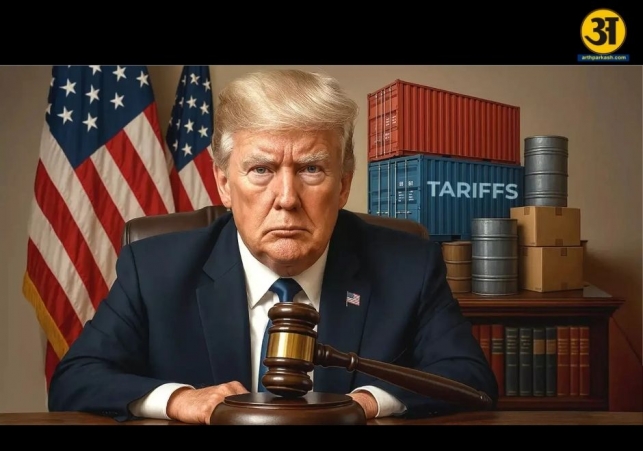
In a major move, US President Donald Trump has signed a new executive order that puts new tariffs on many countries. These tariffs — which are taxes on imports — will begin on August 7, 2025. The decision is part of Trump’s ongoing trade strategy and could have big effects on the global economy and long-time partnerships between the US and other nations.
The order was signed on Thursday evening after a busy day of negotiations between the US and other countries. It lists specific tariff rates for 68 countries and for the 27 countries of the European Union. For countries not listed, a general 10% tariff will be applied. According to a White House official, these rates were set based on each country’s trade relationship with the US and its economic strength.
The tariffs will not begin immediately. The delay gives time to match the schedule of tariffs and for countries to prepare. The White House said this delay is to make the changes more organized and avoid sudden disruptions.
Trump’s administration also announced that they had reached agreements with some countries, though they did not reveal all the names. Trump told reporters, “We have made a few deals today that are excellent deals for the country,” but did not give details about which countries were involved or what the deals include.
Talks continue with Mexico and other nations
Earlier on Thursday, President Trump spoke with Mexican President Claudia Sheinbaum by phone. The US had planned to raise tariffs on Mexico to 30%, but after the call, Trump agreed to keep them at 25% and begin a 90-day negotiation period. Sheinbaum wrote on social media that the talk helped avoid the tariff hike and gave both sides time to work on a long-term trade deal. Trump called the conversation “very successful.”
This last-minute deal with Mexico is not the first time Trump has used deadlines and sudden tariff changes as a way to push countries to the negotiating table. In April, he announced steep tariffs on other countries, which led to panic in the stock markets and fears of a recession. At that time, he also gave countries 90 days to reach new trade agreements. Some countries made deals, while others continued talks into the summer.
Trump’s push for tariffs is part of his plan to fix what he calls “unfair” trade imbalances. He believes that by taxing imports, other countries will lower their trade barriers and buy more American goods. However, many economists argue that these tariffs will raise prices for American consumers and businesses because companies often pass these added costs onto buyers.
The new order shows that Trump is sticking to his strategy even as other leaders express concern. For example, Canadian Prime Minister Mark Carney contacted Trump about the 35% tariffs planned for Canadian goods, though they had not spoken directly on Thursday. Canada’s tariff situation remains uncertain.
Trump had already made trade deals earlier in the week. On Wednesday, he reached an agreement with South Korea. He also announced deals with the European Union, Japan, Indonesia, and the Philippines. His commerce secretary, Howard Lutnick, appeared on Fox News and said that Cambodia and Thailand also reached agreements after agreeing to stop their border conflict.
Still, not every country had finished talks by Thursday evening. Wealthy countries like Switzerland and Norway were still unsure what tariffs they would face. European Union leaders were working on a document to explain how tariffs on cars and other products would be handled. Trump said a deal with the EU had already been reached on Sunday while he was in Scotland, but the full details were still being worked out.
What this means for global trade
Trump’s latest executive order continues his pattern of using tariffs to pressure other countries into new trade deals. He has said that tariffs are a powerful tool that can help fix unfair trade relationships. But critics say the uncertainty caused by these sudden changes in policy can hurt global markets and strain international relations.
Countries that do not agree to new deals with the US could now face a standard 10% tariff on goods they sell to America. Others, like Mexico, still face high tariffs (25%) but have some time to negotiate better terms.
ALSO READ: Divya Deshmukh checkmates history to become India’s first Women’s World Cup champion
ALSO READ: Subtle signs of anxiety you might be missing in everyday life
Trump’s team says these decisions are meant to protect American jobs and industries. But businesses in the US that rely on imported goods could see higher costs, and that could lead to higher prices for everyday products like electronics, cars, and even groceries.
The situation is still developing, with more negotiations expected in the coming days and weeks. As of now, many countries are scrambling to finalize trade agreements with the US before the new tariffs start on August 7.
For now, the world is watching closely to see how Trump's latest move will affect global trade, markets, and America’s relationships with its trading partners.
Related News