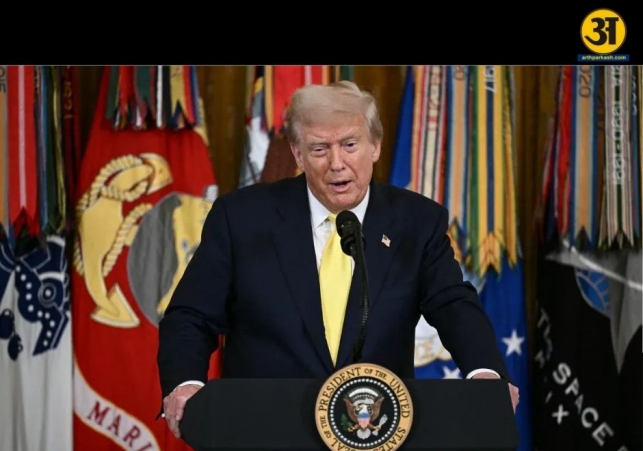
Trump's tariffs strain US-India trade ties
From 'Tariff King' to high import duties: How Trump-led US is straining trade ties with India
- By Gurmehar --
- Friday, 08 Aug, 2025
US President Donald Trump has taken a very tough stand on trade with India. He has called India the "Tariff King" since 2019, blaming the country for putting high taxes on US products. Now, in 2025, Trump has pushed back harder — by raising import taxes on Indian goods to 50%.
This new step comes after many earlier moves, including penalties and baseline tariffs. The US government says these actions are a punishment for India continuing to buy oil and military goods from Russia, even after being warned not to.
Here’s a simple breakdown of what has happened:
-
Oct 2019: Trump first called India the "tariff king".
-
Sep 2024: Trump accused India of being a "tariff abuser".
-
April 2025: A new 26% import tax on Indian goods was announced.
-
April 5, 2025: A 10% basic tariff was applied to all imports, plus a 16% extra tax specifically on Indian goods. But implementation was paused.
-
July 30, 2025: A new 25% tariff and penalty were announced, mainly due to India’s purchase of Russian oil and weapons.
-
August 7, 2025: Trump doubled tariffs to a total of 50% on Indian products entering the US.
So as of now, Indian goods face a 25% baseline tariff, and on top of that, another 25% penalty, making it 50% in total. This is one of the highest tariffs in the world.
Who gets affected and what sectors will suffer most
These tariffs are a big blow to Indian businesses that sell products to the US. Some sectors are spared from these taxes — like medicines, electronics, and energy — but many others will suffer.
Let’s look at the sectors that are exempt from the 50% US tariff:
-
Medicines and pharma products
-
Active Pharmaceutical Ingredients (APIs)
-
Energy-related goods (like oil, coal, natural gas, electricity)
-
Critical minerals
-
Electronics (like smartphones, laptops, displays, semiconductors)
But for many other sectors, the higher tariff is a serious problem. Here are the key Indian export sectors that now face 50% tax in the US:
-
Shrimp and other seafood
-
Textiles and clothing (both woven and knitted)
-
Carpets and made-ups
-
Leather and footwear
-
Jewellery and precious stones
-
Machinery and mechanical parts
-
Furniture, vehicles, and auto parts
-
Organic chemicals
These taxes are in addition to other trade duties, like anti-dumping taxes or countervailing duties already in place.
For example:
-
Indian shrimp exports earlier had a 2.49% anti-dumping duty and a 5.77% countervailing duty.
-
Now, with the new 50% US tariff, total tax becomes 33.26% (25% tariff + 2.49% + 5.77%).
ALSO READ: How many times should you tie the Rakhi thread? Understanding the tradition behind it
ALSO READ: Modern parenting trend 'FAFO' sparks debate among experts and parents alike
How much does India export to the US and what are the numbers?
India exports a lot to the United States — in 2024–25, total exports to the US were worth USD 86.5 billion, while imports from the US were USD 45.3 billion.
Here’s what Indian exports from key affected sectors looked like in the last year:
| Sector | Export Value (USD) |
|---|---|
| Shrimp and seafood | $2 billion |
| Organic chemicals | $2.7 billion |
| Carpets | $1.2 billion |
| Apparel (knitted) | $2.7 billion |
| Apparel (woven) | $2.7 billion |
| Textiles and made-ups | $3 billion |
| Diamonds, gold, jewellery | $10 billion |
| Machinery and appliances | $7.7 billion |
| Furniture and bedding | $1.1 billion |
| Vehicles and auto parts | $2.6 billion |
All these industries are now directly affected by the new 50% tariff.
How does India compare with other countries now?
After the latest tariff hike, India is now one of the hardest-hit countries in the US trade system. Other competitors like Vietnam, China, and Malaysia have lower tariffs, making their products more attractive in the US market.
Here’s how US tariffs compare across countries:
| Country | US Tariff Rate (%) |
|---|---|
| India | 50% |
| Brazil | 50% |
| Myanmar | 40% |
| Thailand | 36% |
| Cambodia | 36% |
| Bangladesh | 35% |
| Indonesia | 32% |
| China | 30% |
| Sri Lanka | 30% |
| Malaysia | 25% |
| Philippines | 20% |
| Vietnam | 20% |
With such high tariffs, Indian goods become more expensive, and this could hurt sales and reduce competitiveness in global markets, especially in the US.
What could happen next?
President Trump has warned that more tariff hikes could come, which would put even more pressure on India. At the same time, trade talks between the US and India remain stuck, especially on the issue of oil imports from Russia and defence partnerships.
If things don’t improve, Indian exporters may need to look for alternative markets or diversify their products to reduce dependence on the US.
Trade experts also say this could be a turning point for India’s global trade policy — either pushing it closer to new allies or encouraging it to boost local production and focus more on self-reliance.
Related News