Trump’s tariff plan creates headaches, not relief
Trump’s tariff magic turns into tariff migraine for businesses
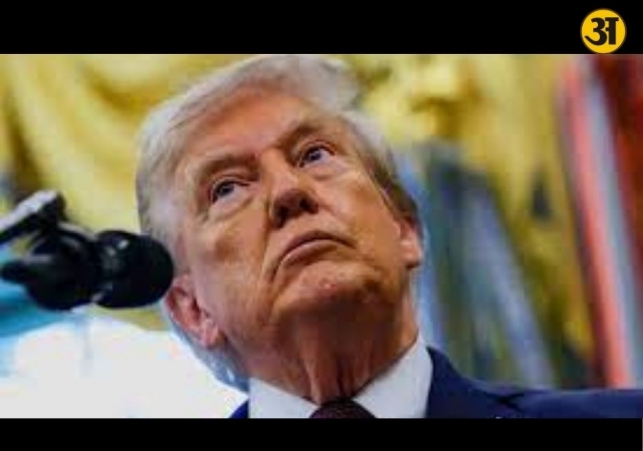
US President Donald Trump’s tariff program is facing a serious legal challenge that could have major economic consequences. His administration imposed heavy tariffs on goods from multiple countries, claiming emergency and national security powers. However, the legal basis for these tariffs is now being questioned in courts, and if overturned, the US government may have to refund tens or even hundreds of billions of dollars collected from import duties.
A federal appeals court recently ruled in a 7–4 decision that Trump overstepped his authority under the International Emergency Economic Powers Act (IEEPA). The court stated that this law does not allow the president to impose sweeping tariffs and that only Congress has the power to set tariffs. While the court temporarily allowed the tariffs to remain in effect, the legal foundation has been seriously weakened.
Lawyer Neal Katyal, representing businesses and states against the tariffs, argues that tariffs are essentially taxes, and taxes require Congress’s approval. Trump’s use of national emergency and security claims to justify the tariffs is now under strict legal scrutiny. Such powers have rarely been used in US history, and previous attempts, like those by Richard Nixon, were quickly curtailed by Congress.
Massive refunds and economic risks
If the Supreme Court upholds the lower court ruling, the US Treasury may have to refund hundreds of billions of dollars collected from tariffs. Estimates range from $72 billion to over $200 billion, creating a potential financial and logistical disaster. Treasury Secretary Scott Bessent warned that such a move could cause “dangerous diplomatic embarrassment,” disrupt ongoing trade negotiations, and prompt retaliation from other countries. Commerce Secretary Howard Lutnick also cautioned that invalidating tariffs could undo trade agreements with countries like the EU, UK, and Japan.
Trump himself has raised alarms, calling the potential outcome an “economic catastrophe” and warning that it would be impossible to repay the massive sums collected. He also mentioned that deals with the European Union might need to be “unwound” if the tariffs fail.
The situation is further complicated because the plaintiffs in the case may seek injunctions against other emergency measures Trump could use in the future. The Supreme Court may rule that any such moves will require clear approval from Congress, limiting presidential power over trade.
In addition, Trump’s authorization of tariffs against India over purchases of Russian energy products is also being challenged. He claimed it was part of managing a national emergency related to Russia’s war in Ukraine, but this argument is considered weak and may be rejected in court.
Even if the tariffs survive temporarily through other statutes like Section 232 (national security) or Section 301 (unfair trade), these measures are limited. They also may not hold up under World Trade Organization (WTO) rules, and many countries have already prepared retaliation plans against US tariffs.
The administration’s concerns are not just legal but also economic and diplomatic. A major reversal could force the US to repay billions, increase government borrowing, trigger inflation, and reduce the country’s credibility in ongoing negotiations. Countries affected by the tariffs, such as the EU, Japan, and India, may revisit their agreements and demand concessions, weakening US leverage.
While Trump has tried to assure courts that economic disaster is not in America’s interest, the situation has already shaken confidence in the policy. Businesses, investors, and foreign governments are watching closely, and the credibility of the entire tariff program is in doubt. Even if the tariffs remain temporarily, the perception of legal vulnerability has damaged their effectiveness and may limit Trump’s ability to use them aggressively in the future.
ALSO READ: EnteroMix cancer vaccine: Russia claims full effectiveness
ALSO READ: Next-generation GST reforms aim to bring relief, says Modi government
In short, Trump’s “tariff magic” could turn into a long-term headache. The legal battles, possible massive refunds, and threats of international retaliation mean that the policy may not survive in its current form. While the administration searches for ways to keep the tariffs in place, the risk of economic disruption and loss of credibility is significant.
The outcome of the Supreme Court ruling will be closely watched by governments, businesses, and investors around the world. A ruling against Trump’s tariffs could mark the end of his aggressive trade strategy, while a temporary survival of the policy may only delay the inevitable. For now, the United States faces uncertainty over trade, legal authority, and financial consequences from one of the most ambitious tariff programs in recent history.
This situation highlights the challenges of using emergency powers for economic policy and the importance of Congressional oversight in trade matters. If Trump’s tariffs are struck down, it would be a major setback not only for his administration but also for global trade relations and the US economy.
Related News