States step up vigil, helplines amid Nepal unrest
Uttarakhand tightens border vigil amid Nepal unrest, several states launch helplines
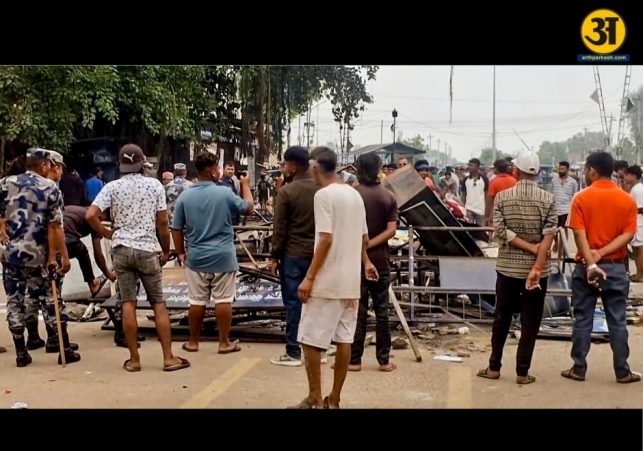
India is keeping a close watch on the tense situation in Nepal after violent anti-government protests forced Prime Minister K P Sharma Oli to resign. The protests have led to curfew and restrictions across Nepal, with reports of vandalism at political offices, leaders’ residences, and even the Parliament building.
Many Indians, including tourists and pilgrims, have been stranded in the country due to flight cancellations and roadblocks. Several Indian states have now set up special helplines and emergency cells to support their people trapped in Nepal, while border states like Uttarakhand and Uttar Pradesh have stepped up vigilance to prevent any trouble at the frontiers.
Indians stranded as flights cancelled
A large number of Indians are stuck in Kathmandu and other cities as airlines suspended services. Carriers like Air India, Air India Express, IndiGo, and SpiceJet have all cancelled their flights to and from Nepal’s capital after the airport was closed due to the unrest.
Among those stranded are tourists from Andhra Pradesh, Karnataka, and Tamil Nadu who had gone for religious visits, including the Kailash-Mansarovar expedition. Gauri K, a tourist from Chennai working in Bengaluru, said she was stuck in a Kathmandu hotel along with her sister and more than 150 other Indian tourists. She explained that their flight was cancelled, leaving them uncertain about when they could return home.
Andhra Pradesh Chief Minister N Chandrababu Naidu said around 200 Telugu people are stranded in Nepal. The state has set up an emergency cell at Andhra Bhavan in New Delhi to provide support. According to officials, about 30 Telugu residents in Bafal, Kathmandu, are being given food, medical aid, and accommodation with help from the Indian Embassy. Families staying in hotels near protest sites were shifted to safer guest houses after agitators threatened arson.
Telangana has also opened a dedicated helpline at its Bhavan in New Delhi. Though no residents of the state have been reported injured, the government is taking precautionary steps in coordination with the Ministry of External Affairs (MEA) and the Indian Embassy in Kathmandu.
Similarly, the Rajasthan government has created a round-the-clock special cell to help its citizens stranded in Nepal. The cell, led by senior police officials, will remain in contact with families and provide updates. Karnataka Chief Minister Siddaramaiah’s office also assured that all people from the state in Nepal are safe and arrangements are being made for their return.
Border states on high alert
Uttarakhand, which shares its border with Nepal through Pithoragarh, Champawat, and Udham Singh Nagar districts, has heightened security. Chief Minister Pushkar Singh Dhami held a high-level meeting and instructed officials to remain alert against anti-social elements. He asked for strict checks at the border and close monitoring of social media to stop rumours or provocative messages that could create tension.
In neighbouring Uttar Pradesh, police have been put on 24-hour alert in all districts along the Nepal border. The government has asked officers to strengthen patrolling and remain ready for quick response to any emergency.
Other states like Gujarat have also taken steps. Chief Minister Bhupendra Patel said his administration is in touch with the Centre for the safe return of Gujarati tourists and students stranded in Nepal. He added that officials are working with the MEA to coordinate efforts.
The Ministry of External Affairs in New Delhi has been in constant touch with the Indian Embassy in Kathmandu. It has assured that help will be given to all stranded Indians until the situation stabilises.
ALSO READ: Why CP Radhakrishnan deserves to be India’s next vice president
Situation in Nepal remains tense
The protests in Nepal have taken a violent turn in recent days. Demonstrators angry with the Oli government have attacked political party offices, leaders’ homes, and even the Parliament. The rising violence led to the resignation of Prime Minister Oli, but the anger on the streets has not yet calmed.
The Nepal government has imposed curfews in several areas to prevent further unrest. However, reports suggest that agitators continue to gather in large numbers, creating fear among locals and tourists.
India has expressed hope that Nepal will resolve the crisis peacefully. Officials in New Delhi said they are “closely monitoring” the developments and will continue to provide assistance to Indian citizens trapped in the violence-hit nation.
With airlines suspending operations, tourists are relying on the Embassy and state emergency cells for food, accommodation, and safe passage. Families in India have been contacting these helplines to stay informed about the condition of their relatives in Nepal.
For now, uncertainty remains high, both for Nepal’s political future and for the stranded Indians waiting to return home.
Related News