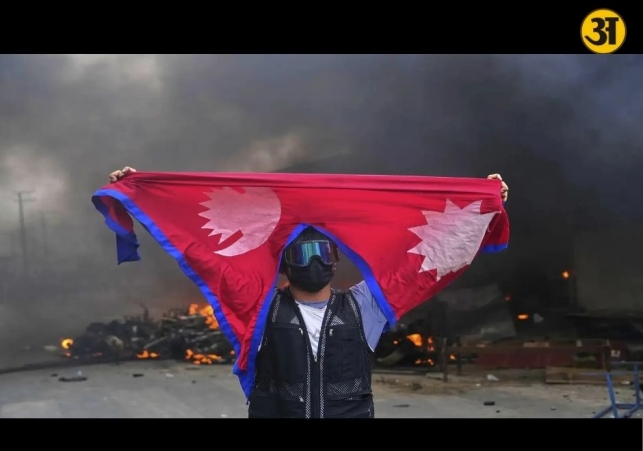
Similar protest patterns emerge across South Asia
Nepal unrest mirrors Bangladesh and Sri Lanka as South Asia sees wave of anti-government protests
In the last few years, several South Asian countries, including Sri Lanka, Bangladesh, and Nepal, have experienced massive protests that toppled governments. These protests were largely led by young people who were frustrated with corruption, economic hardships, and poor governance. The movements reveal a shared pattern of political unrest across the region, reflecting both domestic and global challenges.
Protests in Sri Lanka, Bangladesh and Nepal
In Sri Lanka, the crisis began in 2022 when the country faced its worst economic problems in decades. Foreign reserves fell sharply, inflation soared, and essentials like fuel, food, and medicine became scarce. These hardships triggered public anger, leading to the Aragalaya or “struggle” movement. Tens of thousands of people joined protests, occupying key areas in Colombo, storming government offices, and even entering the presidential palace. President Gotabaya Rajapaksa eventually fled the country in July 2022, ending decades of political dominance by his family. Despite stabilization efforts through talks with the International Monetary Fund (IMF), distrust in the political system continues, highlighting the consequences of poor governance and economic mismanagement.
In Bangladesh, mass protests erupted in July 2024, initially triggered by a controversy over government job quotas favoring descendants of freedom fighters. The protests, led by students, quickly expanded into a broader movement against corruption and authoritarian practices. Demonstrations clashed with security forces, causing casualties on both sides and paralyzing major cities. Prime Minister Sheikh Hasina resigned and moved to India in August 2024. An interim government, led by Nobel laureate Muhammad Yunus, was formed to restore order and organize new elections. The movement highlighted deep frustration among youth who felt ignored by entrenched political elites and demanded fairer governance.
In Nepal, protests erupted in September 2025 after the government banned major social media platforms such as Facebook, Instagram, and YouTube for failing to register locally. Young people, especially Gen Z, saw this as an attack on freedom of expression. The protest quickly merged with broader anger over corruption, unemployment, and poor governance. Demonstrations escalated into violence, leaving at least 19 people dead and hundreds injured. Although the government lifted the ban and some ministers resigned, public pressure forced Prime Minister KP Sharma Oli to step down. The protests showed the power of youth mobilisation and digital activism in shaping political outcomes.
Common factors behind protests across South Asia
Across Sri Lanka, Bangladesh, and Nepal, certain factors consistently triggered unrest:
-
Corruption: Public anger grew as citizens saw political leaders living lavish lifestyles while ordinary people struggled. Social media exposed these inequalities, increasing demands for accountability.
-
Ignored public grievances: Governments failed to address citizens’ concerns. In Sri Lanka, people struggled with economic hardship; in Bangladesh, students protested job quota issues; and in Nepal, youth demanded transparency and freedom from censorship. Repeated neglect of these grievances led to large-scale protests.
-
Youth mobilisation: Young people played a central role in organising protests. Social media platforms helped them communicate, coordinate, and amplify their messages. Ironically, when governments tried to restrict digital platforms, it often intensified public anger instead of controlling protests.
-
Heavy-handed government response: In all three countries, the state often responded with violence against protesters. Crackdowns, arrests, and suppression of dissent only worsened public distrust and undermined government legitimacy.
-
Economic instability: Economic shocks, rising unemployment, and inflation, partly caused by global post-pandemic trade changes and internal mismanagement, worsened citizens’ struggles. In Sri Lanka, shortages of food and fuel created extreme distress, while youth in Bangladesh and Nepal faced limited job opportunities and rising costs of living.
ALSO READ: Why CP Radhakrishnan deserves to be India’s next vice president
ALSO READ: EnteroMix cancer vaccine: Russia claims full effectiveness
These protests highlight a larger regional pattern: when governments fail to meet citizens’ expectations and suppress voices calling for change, mass movements led by young people can quickly gain momentum. Social media and digital communication have become powerful tools for activism, making it harder for governments to ignore public sentiment. At the same time, economic difficulties and corruption amplify frustrations, creating conditions for political upheaval.
In conclusion, the recent unrest in Sri Lanka, Bangladesh, and Nepal demonstrates how corruption, governance failures, economic hardships, and youth activism can trigger major political changes. Governments in South Asia face growing pressure to listen to citizens, ensure transparency, and address economic challenges to maintain stability. The experiences of these countries also serve as a cautionary tale for other nations in the region about the consequences of ignoring public demands and suppressing freedom of expression.
Related News