Squinting at screens may mean kids need glasses
Does your child squint at screens? Signs that could mean they need glasses
Children cannot always express when they have trouble seeing, but vision problems can affect their learning, focus, and confidence. Parents and teachers may notice subtle signs that indicate a child could need glasses. Early detection of these issues is important because untreated problems can lead to complications like lazy eye (amblyopia) or worsening eyesight.
According to the American Academy of Ophthalmology, about one in five children has a refractive error, which includes conditions like short-sightedness (myopia), long-sightedness (hyperopia), or astigmatism. These conditions may not be obvious but can make reading, playing, or paying attention in class more difficult. Detecting them early helps doctors treat them more effectively and prevent long-term damage.
Some common signs that a child may have vision problems include squinting frequently, sitting too close to the television, holding books very close while reading, or complaining of headaches. Children may also rub their eyes often, tilt their head to see better, or avoid activities that require concentration, like puzzles or board games. Teachers may notice that a child struggles to copy from the blackboard or follow lessons properly.
If parents notice any of these behaviors, it is important to schedule an eye exam promptly. Early intervention ensures that children can see clearly, which is essential for learning and overall development. Even if no signs are apparent, routine check-ups are recommended.
When and how to schedule eye tests
Eye specialists recommend that the first comprehensive eye test should be done between the ages of three and five. This early check-up helps identify any vision issues before they affect a child’s learning or daily activities. After the initial exam, children should have regular eye check-ups every year. If there are signs of vision problems, doctors may suggest testing twice a year.
Children with a family history of eye conditions or severe near-sightedness may need screenings more often. Early and frequent exams are particularly important in cases of squint, lazy eye, or other eye disorders. Timely diagnosis allows doctors to prescribe glasses or other treatments, which can correct vision and prevent complications.
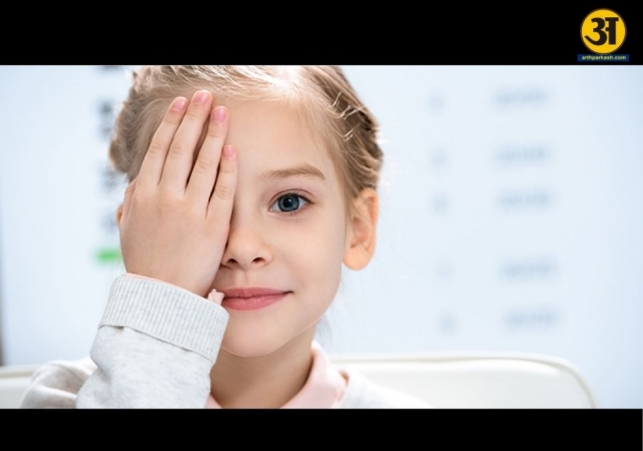
Modern eye tests for children are simple, interactive, and stress-free. Instead of traditional letters, eye doctors may use pictures, symbols, or games to check vision. Parents can help by explaining the process and encouraging their child, making the experience less intimidating. This approach helps children feel comfortable and confident during the test.
ALSO READ: Why CP Radhakrishnan deserves to be India’s next vice president
Good eyesight is vital for a child’s growth, learning, and self-esteem. Clear vision allows children to participate fully in school, sports, and daily activities. By paying attention to early signs like squinting, sitting too close to screens, or difficulty concentrating, parents can ensure that children receive the help they need.
Even if children do not show obvious symptoms, routine eye exams before school age are an important preventive step. Ensuring healthy vision helps children succeed academically, socially, and emotionally. Glasses or corrective measures are not a limitation; instead, they give children the clarity and confidence to explore the world safely and effectively.
Parents should remember that timely eye care is not just about treating problems—it is about prevention. Regular screening helps catch issues early, making treatment easier and more effective. With early diagnosis and proper care, children can enjoy a bright, clear, and confident future.
In short, parents should watch for early signs, schedule regular eye exams, and encourage children to take care of their eyesight. By doing so, they give their child the gift of healthy vision, which supports learning, play, and overall well-being.
Related News