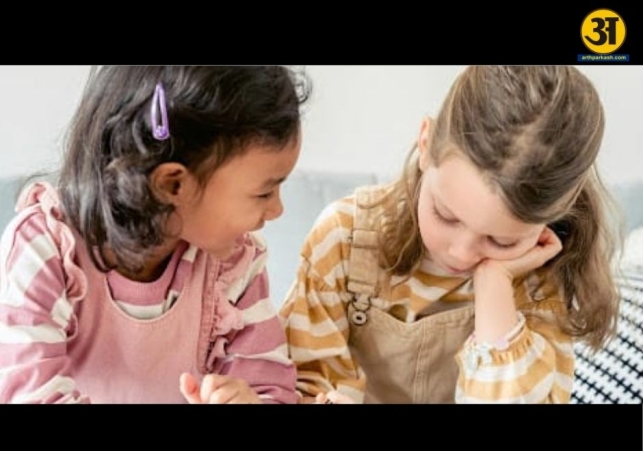
Speech delay does not always mean autism, doctors say
Late talking or autism? Experts explain how parents can notice the difference early
A child’s first words are an exciting milestone for most families. Parents often wait eagerly to hear “mama,” “papa,” or other early words. So when a child speaks later than expected, worry naturally begins. Many parents wonder whether their child is simply a late talker or showing early signs of autism.
Doctors say delayed speech does not always mean autism. Some children develop language later than others and catch up with time. But in some cases, speech delay may be linked to broader developmental differences that need early support.
Experts explain that the key difference is not only speech. It is also how the child communicates, connects, and interacts with people around them.
Dr Murali Chekuri, Consultant Neurology, Manipal Hospital Vijayawada, says parents should look beyond words alone. They should observe eye contact, gestures, social interest, emotional responses, and play behaviour. These signs often give a clearer picture than speech delay alone.
Every child develops at a different pace. Some children start speaking early, while others need more time. However, if parents notice delays or unusual behaviour, early assessment is helpful.
Autism spectrum disorder is a neurodevelopmental condition that can affect communication, social interaction, behaviour, and sensory responses. Signs may appear in early childhood, though the pattern can differ from child to child.
A speech delay can happen without autism. For example, some children understand language well, enjoy social connection, and use gestures, but start speaking later. These children are often called late talkers.
Understanding the difference can reduce fear and help families seek the right support at the right time.
Signs of a late talker
Late talkers usually have delayed spoken language but show many healthy communication skills in other ways. They may point to objects they want, wave goodbye, nod yes or no, clap, smile socially, or bring toys to show parents.
These children often respond when their name is called. They make eye contact, enjoy being around family members, and try to connect even without many words. They may understand instructions such as “bring the ball” or “come here,” even if they cannot speak clearly yet.
Late talkers often show frustration because they know what they want but cannot say it easily. However, they usually keep trying to communicate through sounds, gestures, facial expressions, or body language.
Many late talkers improve with time, speech stimulation at home, and if needed, speech therapy. They may catch up strongly over the next months or years.
Parents can help by talking often with the child, reading books aloud, naming everyday objects, singing songs, and encouraging turn-taking conversation. Limiting excessive screen time may also support language development.
If the child is socially engaged but speaking late, doctors may still recommend monitoring or speech-language evaluation. Early support can be beneficial even without autism.
ALSO READ: Iran calls Pakistan PM after US seizes cargo ship near Hormuz amid rising tensions
ALSO READ: US and Iran likely to hold second round of talks in Pakistan on Monday: Report
Signs that may need autism screening
Children with autism may also have delayed speech, but there are often additional signs related to social communication and behaviour.
A child may avoid or reduce eye contact. They may not point to share interest, such as showing a bird or toy. They may not respond consistently when their name is called, even when hearing is normal.
Some children seem more focused on objects than people. They may spin wheels, line up toys, or repeat the same activity many times. Others may strongly prefer routines and become very upset by small changes.
Speech patterns may also differ. Some children repeat words or phrases without clear meaning, known as echolalia. Others may speak fewer functional words used to ask, answer, or connect socially.
Play behaviour can offer clues. Instead of pretend play like feeding a doll or driving a toy car imaginatively, some children may use toys in repetitive ways.
Emotional communication may also look different. A child may not easily share smiles, seek comfort in expected ways, or copy gestures and expressions.
Doctors stress that not every child with one or two of these signs has autism. But when several signs appear together, professional screening is important.
Parents should seek advice if a child has no babbling by around 12 months, no meaningful words by around 16 months, no two-word phrases by around 24 months, loss of previously learned speech, or clear social communication concerns.
Hearing problems can also cause speech delay, so hearing checks are often part of evaluation.
Early intervention is one of the most important steps. Support may include speech therapy, occupational therapy, behavioural therapy, and parent coaching. Children often make strong progress when help begins early.
Parents should not blame themselves. Autism is not caused by parenting style. The goal is understanding the child’s needs and building communication skills.
It is also important not to wait only because someone says “boys talk late” or “every child is different.” While children do develop differently, persistent concerns deserve proper attention.
At the same time, parents should not panic over every delay. Some children truly are late talkers and do very well. The best path is balanced observation and expert guidance.
Spend time watching how your child connects, not just how many words they say. Do they smile back? Point to share interest? Respond to their name? Enjoy games like peekaboo? Try to communicate needs? These everyday signs matter greatly.
In the end, speech is just one part of development. Social interaction, behaviour, understanding, and emotional connection complete the picture.
If concerns arise, speaking with a pediatrician or developmental specialist early can make a major difference. Whether the child is a late talker or has autism, timely support helps them grow with confidence and stronger communication skills.
Related News