Iran contacts Pakistan as US ship seizure raises crisis
Iran calls Pakistan PM after US seizes cargo ship near Hormuz amid rising tensions
- By Gurmehar --
- Monday, 20 Apr, 2026
Tensions between Iran and the United States have increased sharply after the US Navy seized an Iranian-flagged cargo ship near the Strait of Hormuz. Soon after the incident, Iranian President Masoud Pezeshkian spoke with Pakistan Prime Minister Shehbaz Sharif, showing Pakistan’s growing role in trying to reduce conflict in the region.
The latest development comes at a sensitive time, as peace efforts between Iran and the US remain stalled. Pakistan has been attempting to help both countries return to talks, but recent military actions have made the situation more difficult.
The Strait of Hormuz is one of the world’s most important sea routes for oil and trade. Any conflict in this area can affect global energy markets and regional security. Because of this, the seizure of the ship has attracted worldwide attention.
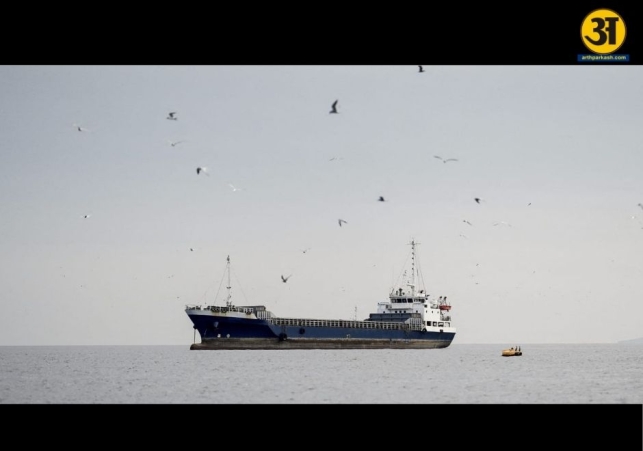
According to reports, the US Navy intercepted the vessel in the Gulf of Oman after giving it warnings to stop. US President Donald Trump said the ship ignored orders, forcing American forces to take action. He claimed the vessel was under US Treasury sanctions because of alleged illegal activity.
Trump said the ship, identified as Touska, was a very large container vessel sailing under the Iranian flag. He added that US Marines now have full control of the ship and are checking its cargo.
Iran strongly condemned the operation. Iranian officials described the US move as “armed piracy” and warned that their military would respond. They accused Washington of creating instability and damaging diplomatic efforts.
Pakistan’s mediation efforts
Pakistan has recently tried to play the role of mediator between Tehran and Washington. Officials from Pakistan’s military and government have held meetings with leaders across the Middle East in an effort to prevent a wider war.
Pakistan Army Chief Field Marshal Asim Munir reportedly visited Tehran last week. During the visit, he is said to have carried proposals linked to a second round of talks between the US and Iran. Prime Minister Shehbaz Sharif and senior diplomats have also travelled to countries such as Saudi Arabia, Qatar, and Turkey to gather regional support for peace efforts.
The earlier round of talks between Iran and the US had taken place in Islamabad earlier this month. Those discussions reportedly lasted many hours but ended without any agreement.
Now, after the cargo ship seizure, Pakistan’s diplomatic mission faces an even bigger challenge. It must balance relations with both Iran and the US while also protecting stability in the region.
Iranian state media said President Pezeshkian told Sharif that US actions were creating mistrust. He reportedly warned that Washington might once again damage diplomacy through pressure tactics.
This conversation shows that Pakistan remains an important communication channel between both sides.
ALSO READ: US and Iran likely to hold second round of talks in Pakistan on Monday: Report
ALSO READ: Shooting scare at Washington Navy Yard sparks security alert
Hormuz crisis deepens uncertainty
The Strait of Hormuz remains at the centre of the dispute. The narrow waterway is used by a large share of the world’s oil tankers and cargo vessels. Any blockade, military clash, or disruption there can quickly raise oil prices and increase global concerns.
In recent weeks, the US has increased naval activity in the area. Iran has also taken a harder stand, saying it will defend its interests and maritime rights.
The two countries are also divided over Iran’s nuclear programme. The US wants stricter limits, while Iran says it has the legal right to develop nuclear technology for peaceful purposes.
Iran has accused the US of making unrealistic demands during previous talks. Iranian media reports said Tehran believes negotiations cannot move forward while pressure and sanctions continue.
American officials, meanwhile, say they are trying to stop Iran from gaining nuclear weapons capability. Washington has repeatedly stated that it will maintain economic and military pressure if needed.
The seizure of the Touska may now further delay any return to negotiations. Analysts say incidents at sea are especially dangerous because they can quickly lead to military escalation.
Regional countries are watching the crisis carefully. Nations in the Gulf depend heavily on safe shipping routes and fear that a larger conflict could damage trade and investment.
Pakistan’s involvement could still prove important. As a country with ties to both Iran and the United States, it may be one of the few nations able to keep communication open.
For now, however, the mood remains tense. Iran has promised retaliation, the US has defended its actions, and peace talks appear uncertain.
The coming days will be crucial in deciding whether diplomacy resumes or whether the confrontation in the Strait of Hormuz becomes even more serious.
Related News