Schools closed in Noida, Ghaziabad due to extreme cold
Noida and Ghaziabad schools shut till January 10 amid cold wave
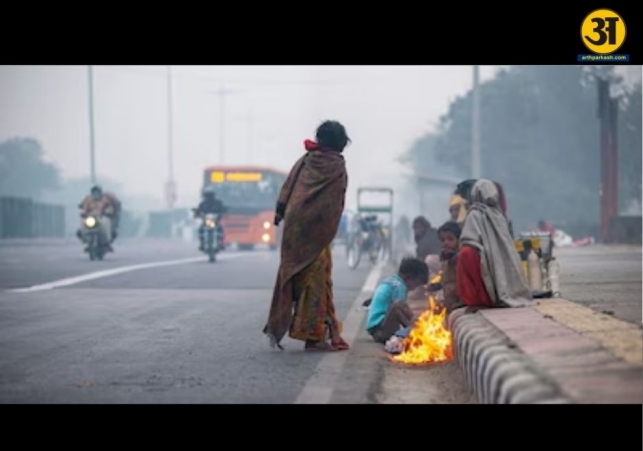
A strong cold wave is affecting many parts of India. Because of this, schools in several states, including Uttar Pradesh, Delhi, Bihar, Jharkhand, Jammu and Kashmir, Tripura, Assam, Punjab, and Haryana, have been closed temporarily. The very low temperatures and dense fog have made it unsafe for children to travel to school. Authorities are taking precautions to keep students safe and protect their health during this severe winter.
School closures in Uttar Pradesh and Delhi
In Uttar Pradesh, schools up to Class 8 have been closed in many districts because of the cold wave and heavy fog. In the National Capital Region, including Noida and Ghaziabad, all schools up to Class 8 will remain closed until January 10, 2026. This order applies to all recognized schools, including CBSE, ICSE, IB, Uttar Pradesh Board schools, and others.
Noida District Basic Education Officer Rahul Panwar said the decision was made following directions from the district magistrate. He emphasized that student safety is the main reason for the school closures. Similarly, in Ghaziabad, all private schools from Nursery to Class 8 will remain shut during this period. School principals and headmasters have been instructed to follow the government orders strictly.
In Delhi, most schools were already on winter vacation. However, officials have warned that the vacations may be extended if the cold weather and fog continue. Parents and students are advised to stay updated with official notifications from school authorities and district administrations, as reopening dates may change depending on weather conditions.
Cold wave impacts across other states
Tripura is also experiencing very cold weather. The Chief Minister, Manik Saha, announced that all schools in the state will remain closed from January 6 to January 10, 2026. The India Meteorological Department (IMD) reported that temperatures in Tripura have dropped 4 to 6 degrees Celsius below normal. The Chief Minister asked schools, both government and private, to follow the closure orders.
Other states, including Bihar, Assam, Punjab, Haryana, and Jammu and Kashmir, have also announced school closures or extended winter breaks. The main reason is to protect children from health risks caused by extremely low temperatures and poor visibility. Early morning travel during dense fog is dangerous, especially for school buses and young students.
ALSO READ: India’s airport expansion is reshaping the country’s real estate landscape
The cold wave has brought temperatures below normal in many areas. Dense fog in the mornings has made it difficult to see clearly. Authorities are concerned about children commuting to school during these conditions. To ensure safety, school administrations are asked to strictly follow government directions.
Precautionary measures for students
State governments and local administrations are taking extra steps to protect children during this cold wave. Along with school closures, some areas have revised class timings or extended winter vacations. Parents are encouraged to keep children indoors during extreme cold and avoid unnecessary travel. Children should wear warm clothes, including jackets, sweaters, gloves, and caps.
Medical experts have also warned that exposure to cold weather can cause health issues, including cold, flu, cough, and in severe cases, frostbite. Students with health conditions or weak immunity are at higher risk. The governments are working to minimize these risks by reducing outdoor activities for children and keeping schools closed until conditions improve.
Authorities have asked parents, teachers, and school staff to stay alert and follow the official updates. In some areas, emergency measures like transport adjustments and monitoring of school bus routes have been put in place to make sure students travel safely when schools reopen.
The cold wave is expected to continue for the next few days in many parts of India. Authorities are closely monitoring weather conditions and will make decisions about school openings based on safety and visibility. The main goal is to ensure students are safe, healthy, and protected from the harsh winter.
In conclusion, the cold wave has forced schools in Noida, Ghaziabad, and several other states to remain closed temporarily. Dense fog and low temperatures pose serious risks for children traveling to school. Governments and school authorities are taking strict precautions, including revising class timings and extending winter vacations. Parents are advised to keep children safe and follow updates from school administrations. The measures are in place to protect student health and prevent accidents during extreme weather conditions.
Related News