Punjab, UT panel bars hospitals from holding bodies for unpaid bills
In Punjab and UT, human rights panel bans hospitals from withholding bodies over unpaid bills
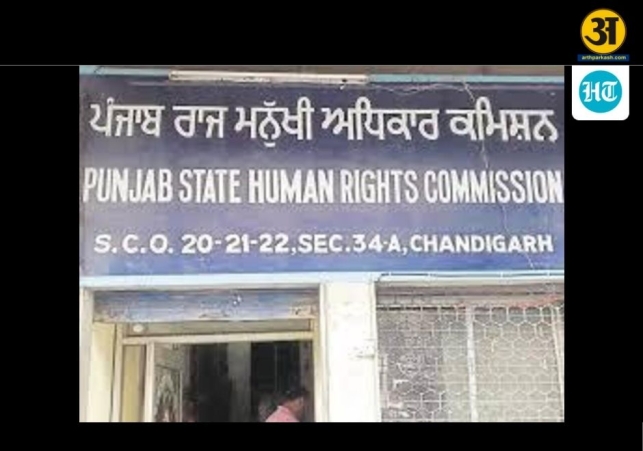
The Punjab and Chandigarh Human Rights Commission has issued strict new guidelines stopping all government and private hospitals from withholding dead bodies because of unpaid bills. The commission said this practice is illegal, unethical, and deeply painful for families who are already grieving. The new directions have been sent to the health and family welfare departments of both Punjab and the Chandigarh Administration, and they are required to follow them immediately.
The guidelines focus on protecting the dignity and lawful treatment of deceased persons, especially those who are unclaimed, unidentified, abandoned, or from underprivileged backgrounds. According to the commission, every person deserves respect and proper handling after death, regardless of their social or economic condition. Newly appointed commission member Jitender Singh Shunty has formally forwarded these guidelines to the authorities responsible for ensuring that hospitals, district administrations, police departments, municipal bodies, and other agencies follow the rules without delay.
The commission said it decided to issue these guidelines after noticing several serious gaps in how dead bodies are handled in Punjab and Chandigarh. These include a lack of mortuary vans, shortage of staff trained to handle bodies, poor availability of free or assisted cremation and burial services, inadequate storage capacity in mortuaries, and the absence of mobile mortuary freezers for emergencies and remote areas. It also found that there were lapses in how unclaimed or economically vulnerable bodies were transported and cared for. Through the new rules, the commission aims to fill these gaps and ensure that no deceased person is treated without dignity.
Guidelines emphasise dignity, ethics, and legal compliance
One of the strongest statements in the commission’s order addresses the disturbing practice of hospitals detaining bodies because relatives are unable to pay outstanding medical bills. The commission called this practice “deeply disturbing” and said it violates the dignity of the dead and causes emotional trauma to bereaved families. It also said that this goes against medical ethics and violates Supreme Court rulings that clearly prohibit keeping human remains as a form of pressure for settling financial disputes.
In its statement, the commission declared that no hospital, whether government-run or private, is allowed to withhold a body under any circumstance, even if bills remain unpaid. The commission said that hospitals must follow lawful methods to recover dues instead of using a person’s remains as leverage. By issuing this directive, the commission made it clear that human dignity cannot be compromised for financial reasons.
ALSO READ: 150 years of Vande Mataram: BJP, Congress clash over missing stanzas
ALSO READ: Government expands crackdown by banning 23 organisations under UAPA in five years
Another important part of the guidelines focuses on unclaimed and unidentified bodies. These are often the most vulnerable to neglect, and the commission stressed that they must be treated with the same dignity and respect as any other person. The guidelines say that every deceased individual, regardless of caste, religion, gender, or socio-economic status, must be handled with honour and care.
Hospitals have also been instructed to inform the police immediately when they encounter an unclaimed or unidentified body. The guidelines require hospitals and police to work together to ensure the timely cremation or burial of these bodies. Wherever possible, the last rites should follow the known religious practices of the deceased individual. This approach ensures both respect for cultural traditions and safe, lawful procedures.
District administrations told to strengthen mortuary services
Along with stopping the withholding of bodies, the commission has also issued strong directions to district administrations in Punjab and Chandigarh. They have been asked to significantly improve mortuary services so that bodies are handled properly and families receive timely support.
The commission wants every district to ensure the availability of functional mortuary vans, also known as hearse vans, so that bodies can be transported safely and respectfully. It also emphasised the need for adequate staff trained in proper body handling techniques. Many complaints earlier indicated a lack of staff or poor training, which the commission wants to correct immediately.
The guidelines also insist on the availability of free or assisted cremation and burial facilities, especially for families who cannot afford the cost. By ensuring this support, the commission aims to protect the rights of the poor and prevent bodies from being left unclaimed simply because families lack financial resources.
Record-keeping and photographic documentation have also been highlighted as essential requirements. These measures are important for maintaining transparency, helping in the identification of bodies, and ensuring accountability among authorities responsible for handling them. The commission stressed that proper documentation can also help families locate missing relatives.
Another important instruction is the need for more mortuary storage capacity and mobile mortuary freezers. These are especially important in cases of mass casualties, remote locations, or emergency situations where bodies need to be preserved until families or authorities can take the next steps. The commission said that the lack of such facilities has previously caused serious problems and must be addressed immediately.
By issuing these guidelines, the Punjab and Chandigarh Human Rights Commission has taken a major step toward protecting both the dignity of deceased individuals and the rights of their families. The commission has made it clear that even in death, every person deserves respect, lawful treatment, and humane handling. These guidelines are expected to bring more discipline, compassion, and accountability to hospitals and district administrations across the region, ensuring that such violations do not occur again.
Related News