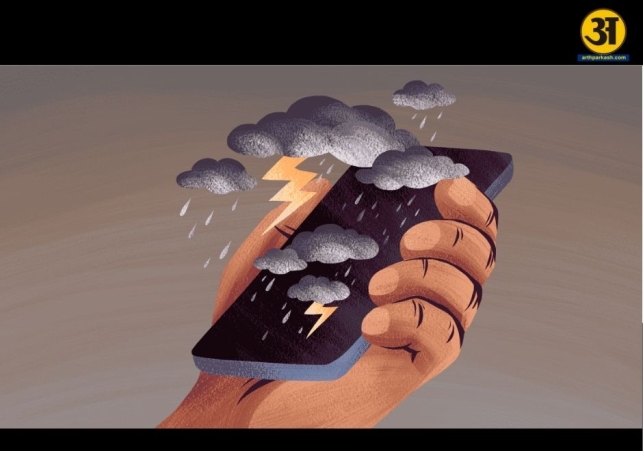
Digital overload may increase seizure risk, neurologist warns
Are screens triggering seizures? Neurologist explains the impact of digital overload on the brain
In today’s digital world, screens are everywhere. From smartphones and tablets to laptops and TVs, we spend hours each day staring at devices. Whether it’s for work, school, shopping, or entertainment, screens have become a constant part of life. India now has over one billion internet users, showing how deeply connected people are to technology. But while screens make life convenient, experts are warning of a hidden danger: increased risk of seizures due to digital overload.
Dr Sweta Singla, Head and Consultant of Movement Disorder and Neurology at Manipal Hospital, Dwarka, New Delhi, says, “Most people think that screen use only affects the eyes or neck. But neurologists are seeing more cases where excessive screen time can trigger seizures, especially in vulnerable individuals.”
How screens and lifestyle affect seizure risk
Seizures happen when the brain experiences sudden abnormal electrical activity, which can change awareness, movement, or behavior. For people with epilepsy, undiagnosed neurological conditions, or a history of seizures, certain triggers can make seizures more likely. Screens are one of these triggers.
One of the main risks comes from sleep deprivation. Late-night scrolling, binge-watching shows, and gaming have become so common that sleep often takes a backseat. But sleep is crucial for brain health. Lack of sleep disrupts brain rhythms and lowers the threshold for seizures. The NIH notes that sleeping fewer than seven hours a night can increase vulnerability to neurological problems.
Another risk is photosensitive seizures, which are triggered by flashing or flickering lights. Teens and young adults are especially vulnerable. Long periods of screen use expose the brain to bright glare, rapid visual changes, and flickering light patterns. The World Health Organization warns that these triggers are preventable but can make the brain more sensitive and more prone to seizures.
Excessive exposure to screens can also increase the risk of refractory epilepsy, a serious condition where seizures are difficult to control and may require complex treatment. This makes it even more important to manage screen time and adopt protective habits.
ALSO READ: 150 years of Vande Mataram: BJP, Congress clash over missing stanzas
ALSO READ: Government expands crackdown by banning 23 organisations under UAPA in five years
Simple steps to reduce risk
Experts say that small changes in daily routines can make a big difference. Some recommended steps include:
-
Sleep for 7–9 hours each night.
-
Avoid screens 1–2 hours before bed.
-
Use blue light filters on devices.
-
Avoid using screens in the dark.
-
Keep soft ambient lighting while using devices.
-
Follow the 20–20–20 rule: every 20 minutes, look at something 20 feet away for 20 seconds.
-
Practice stress reduction techniques and relaxation exercises.
Dr Singla emphasizes, “Early lifestyle changes can prevent serious problems caused by uncontrolled seizure triggers. It’s not about quitting screens, it’s about using them responsibly.”
Why balanced screen use matters
The human brain is not designed for constant stimulation. Even while sleeping, the brain works to restore balance and maintain function. Excessive screen time prevents this recovery, affecting both mental and neurological health. A balanced routine with adequate sleep, mindful screen use, and regular breaks can protect the brain.
Screens are unlikely to disappear, and we rely on them for work, study, and social life. But treating screens as harmless entertainment 24/7 can be dangerous. The smartest approach is to learn healthy habits that allow digital use without overloading the brain.
Dr Singla concludes, “Your brain is doing far more work than you realize. Mindful use of screens, good sleep, and balanced daily routines are essential to protect your neurological health. Preventing triggers now can save people from serious problems later.”
By following simple steps and being aware of risks, individuals can enjoy technology safely while minimizing the chances of seizures. Screens are here to stay, but so is the need to care for the brain.
Related News