Punjab seeks massive dues from Rajasthan over water supply
Punjab demands ₹1.44 lakh crore water royalty from Rajasthan, warns of strict action
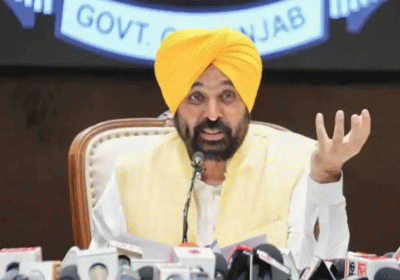
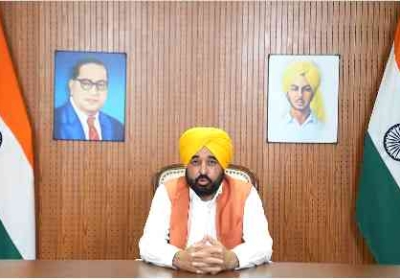
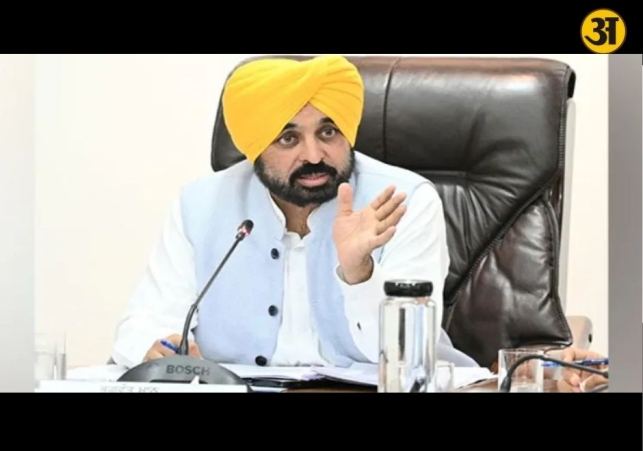
The government of Punjab has demanded ₹1.44 lakh crore from Rajasthan as unpaid water royalty. Chief Minister Bhagwant Mann said the dues have been pending for decades and must now be cleared.
According to the state government, Rajasthan has been using Punjab’s water for irrigation and drinking purposes without paying for it since 1960. Mann stated that the demand is based on a historical agreement signed during the British era.
He said that Punjab will strongly pursue the matter and may even ask Rajasthan to stop taking water if the dues are not paid. The issue has once again brought attention to long-standing water disputes between Indian states.
Historical agreement and dues
The Punjab government has referred to a tripartite agreement signed in the 1920s. This agreement involved the princely state of Bikaner, the then Punjab province, and the British administration. Under this arrangement, water from Punjab was supplied to Bikaner on a payment basis.
As per the agreement, Rajasthan (which includes the former Bikaner region) was supposed to pay for the water based on the area irrigated. Payments were reportedly made regularly until 1960.
However, Mann said that after the signing of the Indus Waters Treaty, this payment system stopped. Despite this, Rajasthan continued to draw water from Punjab through the Ferozepur feeder.
The chief minister claimed that around 18,000 cusecs of water has been continuously supplied to Rajasthan since then. If the unpaid amount from 1960 to 2026 is calculated, it reaches ₹1.44 lakh crore.
Mann expressed concern that Rajasthan has been benefiting from Punjab’s water resources for many years without paying anything. He said this is unfair, especially when Punjab itself faces water shortages.
He also pointed out that the issue was not clearly addressed in the Indus Waters Treaty, which mainly focused on water sharing between India and Pakistan. As a result, the earlier payment arrangement was left out.
ALSO READ: Trump says Israel will not use nuclear weapons against Iran amid conflict
ALSO READ: Trump questions US role in Strait of Hormuz after allies refuse to send naval help
Political and legal stance
Bhagwant Mann said that the Punjab government has already raised this matter with the central government and the Rajasthan government. A formal letter has also been sent requesting a meeting to discuss the issue.
He questioned why states that demand water through projects like the Sutlej-Yamuna Link Canal remain silent on such a large pending payment. According to him, this shows a lack of fairness in dealing with water-sharing issues.
The chief minister made it clear that Punjab will take a firm stand. He said Rajasthan must either pay the dues or stop drawing water from Punjab. This statement indicates that the matter could become a serious dispute if not resolved through discussion.
Water sharing has always been a sensitive topic in India, especially among neighbouring states. Rivers and canals are often shared resources, and disagreements over their use can lead to political and legal conflicts.
Experts believe that resolving such disputes requires cooperation between states and support from the central government. Legal provisions, historical agreements, and current needs all play a role in finding a solution.
The demand of ₹1.44 lakh crore is very large, and it may lead to strong reactions from Rajasthan. The neighbouring state has not yet given a detailed response to Punjab’s claim.
At the same time, the issue highlights the importance of clear agreements and proper implementation. When arrangements are not followed or updated, disputes can continue for many years.
Punjab has been raising concerns about its water resources for some time now. The state depends heavily on its rivers for agriculture, which is a major part of its economy. Any imbalance in water sharing can affect farmers and overall development.
In conclusion, the demand for water royalty by Punjab has opened a new chapter in inter-state relations. With a huge amount at stake and strong statements from the leadership, the issue is likely to gain attention in the coming days.
The final outcome will depend on discussions between the two states and the involvement of the central government. Until then, the matter remains an important example of how historical agreements can still impact present-day policies and relations.
Related News