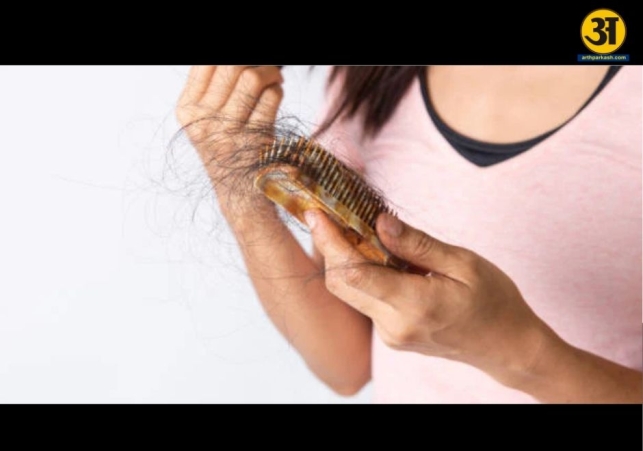
Protein plays a key role in hair health
Protein deficiency may be a hidden reason behind increasing hair fall
- By Gurmehar --
- Friday, 10 Jul, 2026
Hair fall has become one of the most common problems faced by people of all age groups today. Many people spend money on expensive shampoos, oils, serums and hair treatments in the hope of reducing hair loss. However, doctors say that in some cases, the real reason behind excessive hair fall may not be found in the bathroom cabinet but in the kitchen.
According to health experts, one of the most overlooked causes of hair fall is a lack of protein in the daily diet. While factors such as stress, pollution, hormonal changes, genetics and lifestyle habits can certainly affect hair health, protein deficiency is increasingly being recognised as an important contributor to hair loss.
Hair is largely made up of a protein called keratin. This means that healthy hair growth depends on an adequate supply of protein from the food we eat. When the body does not receive enough protein, it begins to prioritise essential organs and functions over hair growth, which can eventually lead to thinning and shedding of hair.
Many people are surprised to learn that their hair problems may be linked to their diet rather than the products they use. Experts believe that paying attention to nutrition can often be an important step towards improving hair health.
Why protein is important for hair
Protein is one of the body's most important nutrients. It helps build and repair tissues, supports muscle growth, produces hormones and keeps many body functions working properly. Hair growth is also highly dependent on protein.
Since hair is made primarily of keratin, hair follicles require a steady supply of amino acids, which are the building blocks of protein. When protein intake is too low, the body redirects available protein to more important functions that are necessary for survival.
As a result, hair follicles may receive fewer nutrients than they need. Over time, this can disrupt the normal hair growth cycle and lead to increased hair shedding.
Doctors explain that hair is considered a non-essential tissue from the body's perspective. While healthy hair is important for appearance and confidence, the body focuses first on supporting vital organs, muscles and other critical functions during times of nutritional shortage.
This is why hair often becomes one of the first visible signs of poor nutrition.
The effects of protein deficiency may develop gradually rather than suddenly. Many people may not realise that their diet is affecting their hair because the changes happen slowly over time.
ALSO READ: Wall Street futures fall as AI fears spark global tech sell-off
ALSO READ: US gives temporary relief on Iranian oil sanctions amid fresh talks
Some common early signs that protein deficiency may be affecting hair include loss of natural shine, thinner hair strands, increased breakage and excessive hair fall while combing or washing the hair.
In addition to hair-related symptoms, some people may also notice brittle nails and dull-looking skin. These signs can indicate that the body is not receiving enough nutrients for optimal growth and repair.
Experts recommend paying attention to these warning signs and evaluating dietary habits if such symptoms persist for an extended period.
Modern diets may be adding to the problem
Health professionals say changing eating habits are playing a major role in the increasing number of people experiencing hair fall, especially among younger adults.
Busy lifestyles often lead people to skip meals, rely on processed foods or consume diets that are high in calories but low in essential nutrients. Even individuals who believe they are eating healthy may not always consume enough protein to meet their daily requirements.
Many popular diet trends focus on reducing calories or avoiding certain food groups. While these diets may help with weight management, they can sometimes lead to nutritional imbalances if not planned carefully.
Hair follicles require a continuous supply of amino acids to produce strong and healthy hair. If protein intake remains insufficient for a long period, diffuse hair loss may occur, where hair thins evenly across the scalp rather than in specific patches.
Doctors also caution against relying entirely on supplements to solve hair problems.
While hair supplements can sometimes be useful, they are not a substitute for a balanced diet. Experts emphasise that the best results usually come from obtaining nutrients naturally through food.
Protein-rich foods that support healthy hair include pulses, lentils, dairy products, eggs, fish, lean meat, soy products, nuts and seeds. Including a variety of these foods in daily meals can help provide the nutrients needed for healthy hair growth.
Making sustainable dietary improvements often produces better long-term results than seeking quick fixes through supplements or cosmetic treatments alone.
At the same time, experts point out that not every case of hair loss is caused by protein deficiency. Sometimes persistent hair fall can be a sign of an underlying medical condition that requires professional evaluation.
Conditions such as thyroid disorders, iron deficiency, polycystic ovary syndrome (PCOS) and other hormonal imbalances can all contribute to excessive hair shedding. In some cases, hair loss may be accompanied by symptoms such as fatigue, irregular menstrual cycles, unexplained weight changes or general weakness.
Doctors advise people not to ignore persistent or unexplained hair fall, especially when other symptoms are present. Proper medical assessment and diagnostic tests can help identify the underlying cause and guide appropriate treatment.
Experts stress that guessing the reason behind hair loss or trying multiple products without understanding the root cause may delay effective treatment.
Healthy hair is often a reflection of overall health. While shampoos and styling products can improve the appearance of hair, they cannot replace good nutrition and proper medical care when needed.
If hair fall continues despite maintaining a good hair care routine, it may be worth looking beyond external treatments and focusing on internal health. A balanced diet rich in protein, combined with timely medical advice, can play a major role in maintaining strong, healthy and beautiful hair over the long term.
In many cases, the solution to better hair health may start with something as simple as paying closer attention to what is on your plate every day.
Related News