Poor air quality harms health
Delhi’s air pollution affecting your body and mind, warns doctor
Delhi’s air pollution is no longer just a seasonal problem. It has become a year-round health crisis, silently damaging the body. Many people think that pollution only affects the lungs, causing coughs, asthma, or breathlessness. But doctors warn that toxic air harms many other organs as well, including the heart, liver, kidneys, and even the brain.
Dr Vinit Banga, Director of Neurology at Fortis Hospital, Faridabad, explains that the main danger comes from tiny particles in the air called PM2.5 and PM10. These are so small that they can pass deep into the lungs and enter the bloodstream. Once in the blood, they trigger inflammation and oxidative stress, which is a harmful chemical reaction in the body. Over time, this can damage arteries, increase blood pressure, and lead to heart disease, strokes, or other serious conditions.
The liver and kidneys, which filter toxins from the blood, also face extra strain. Constant exposure to polluted air forces these organs to work harder, which can affect their long-term health. Even people who appear healthy can accumulate damage silently over years, without any obvious symptoms.
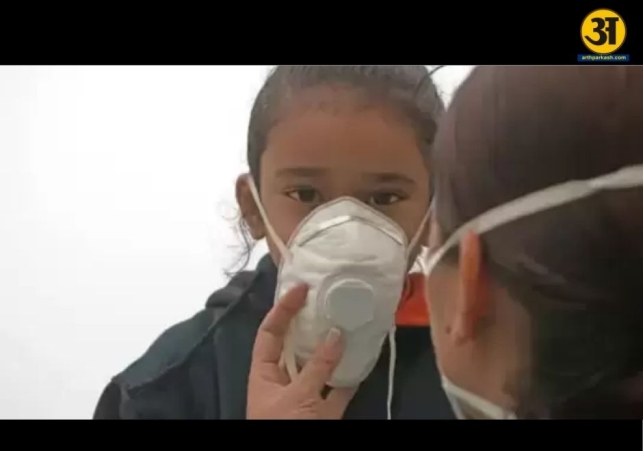
Children are particularly vulnerable. Exposure to polluted air from birth can harm lung development, affect brain growth, and weaken immunity. This early exposure increases the risk of lifelong health problems, making the next generation more prone to chronic illness.
Air pollution and brain health
The effects of air pollution are not limited to the body’s organs. Research shows that fine particles can cross the blood–brain barrier, a protective shield around the brain. This can lead to neurological problems. Studies have linked high levels of pollution with memory loss, slower thinking, depression, and even diseases like Alzheimer’s.
Dr Banga warns that this damage is often invisible. Unlike infections or injuries that cause immediate pain, pollution-related harm builds slowly over time. People may not notice anything wrong for years, even as damage accumulates. This “quiet assault” can eventually show up as high blood pressure, heart disease, or reduced brain function.
Adults and the elderly face increased risks, but children are most affected. Constant exposure during early years can affect learning, attention, and overall brain development. Long-term health effects may not appear until adulthood, making early prevention essential.
ALSO READ: Taliban-linked TTP leader Noor Wali Mehsud fuels border tensions
ALSO READ: Kashmir voters face disappointment after high expectations
Steps to protect yourself
While government action is needed to reduce pollution, individuals can take steps to protect themselves every day.
-
Wear masks: Use N95 or equivalent masks when outdoors, especially during early mornings or evenings when pollution levels peak. These masks can block fine particles and reduce their entry into your lungs.
-
Use air purifiers: Keep air purifiers at home, especially in bedrooms where you spend long hours. Purifiers remove harmful particles and improve indoor air quality.
-
Indoor plants: Plants like Areca Palm, Snake Plant, and Money Plant can help filter the air naturally. Place them in rooms you spend the most time in.
-
Avoid outdoor exercise on high-pollution days: Check daily Air Quality Index (AQI) reports. On days with high pollution, opt for indoor workouts instead of running or cycling outside.
-
Stay informed: Awareness is key. Following news on air quality and taking precautions can reduce long-term health risks.
While these steps cannot eliminate the damage caused by pollution, they can help reduce exposure and protect your organs from further harm. Everyone in Delhi breathes the same toxic air, but personal protection can lower the risks to your health.
Delhi’s pollution is a silent but severe threat to health. It does not only cause lung problems but also affects the heart, liver, kidneys, and brain. Children are at higher risk, and long-term exposure can lead to chronic diseases in adults. Although policy changes and environmental reforms are necessary, personal actions like wearing masks, using air purifiers, and avoiding outdoor exercise on polluted days can help protect your body. Each precaution taken is a step toward safeguarding your health. Remember, while the air may not feel dangerous today, its effects on your organs accumulate with every breath.
Related News