PM Modi unveils Kartavya Bhavan to unite ministries under one roof
‘Kartavya Bhavan’ set to become India’s new power hub as PM Modi leads inauguration
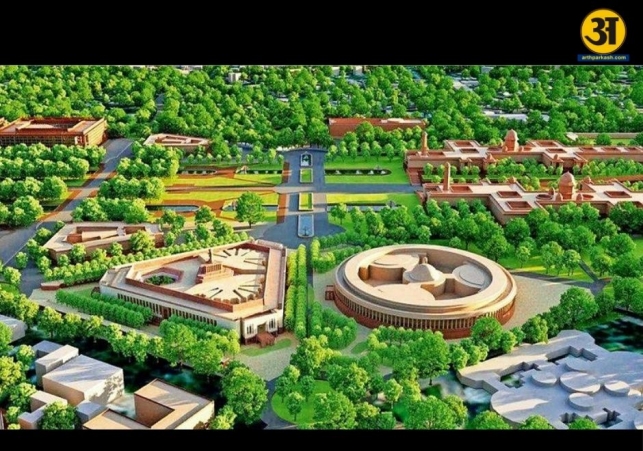
Prime Minister Narendra Modi will inaugurate a new building called Kartavya Bhavan today (August 6, 2025), which is a major step in the government's Central Vista redevelopment project. This building is the first of 10 planned Common Central Secretariat (CCS) buildings that aim to bring various central government ministries and departments under one roof.
This change is meant to improve how government offices work, make coordination between departments easier, and reduce costs related to maintaining old buildings. Kartavya Bhavan is part of the larger vision to modernise the central administrative area in New Delhi, which is currently spread out and includes several old buildings like the North and South Blocks.
The new secretariat building, known officially as Kartavya Bhavan-03, is expected to improve government work with updated infrastructure, technology, and better working conditions for employees.
Modern facilities, eco-friendly design, and a big shift in administration
Kartavya Bhavan-03 is a modern seven-storey building (including the ground floor) that covers around 1.5 lakh square metres of space. It also has two large basements of 40,000 square metres. There’s enough parking space for 600 cars, and the building has many important features for government officials and staff.
Here are some key things inside Kartavya Bhavan:
-
Offices for major ministries such as Home Affairs, External Affairs, Rural Development, MSME (Micro, Small and Medium Enterprises), DoPT (Department of Personnel and Training), and Petroleum and Natural Gas.
-
Office space for the Principal Scientific Adviser to the government.
-
24 large conference rooms (each for 45 people), 26 smaller conference rooms (each for 25 people), and 67 meeting rooms for regular use.
-
27 lifts, including smart energy-saving ones.
-
Facilities like a creche (daycare), yoga room, medical room, multipurpose hall, cafe, and kitchen for better employee well-being.
This building also focuses on sustainability and energy efficiency:
-
It aims to get a GRIHA-4 rating (a green building rating in India).
-
The roof has solar panels that will generate more than 5.34 lakh units of electricity every year.
-
There are solar water heaters, rainwater harvesting systems, and e-vehicle charging stations.
-
It will use 30% less energy compared to older buildings.
-
There are special glass windows to keep the building cool and block outside noise.
-
LED lights with motion sensors, smart lifts, and an advanced electricity management system will help save more energy.
Importantly, Kartavya Bhavan is a zero-discharge campus, meaning all wastewater is treated and reused inside the building. It also has its own solid waste processing system and uses recycled construction materials to reduce environmental impact.
What will happen to the North and South Blocks?
Once all ministries move to the new Kartavya Bhavan buildings, the famous North and South Block buildings will no longer be used as office spaces. Instead, the government plans to turn them into museums named ‘Yuge Yugeen Bharat’, which will show the history, culture, and art of India—from ancient times like the Mahabharata era to the present day.
The government has said that the structure of the buildings will remain untouched, and the conversion will be respectful of their historical value.
ALSO READ: The danger of World War 3 is growing — leaders must choose peace
ALSO READ: Political unity or power pact? Inside India’s most enduring political alliances
Why was a new building necessary?
According to Urban Affairs Minister Manohar Lal Khattar, the old ministry buildings were built between the 1950s and 1970s and have become too costly to maintain. Their outdated designs and lack of modern infrastructure made it difficult to run day-to-day operations efficiently.
He said that Kartavya Bhavan-1 and Kartavya Bhavan-2 are nearly finished and will be ready by next month. The other seven buildings under the same project are expected to be completed by April 2027, while the full Central Vista redevelopment should be done by June 2027.
The total cost of this particular Kartavya Bhavan project is around ₹1,000 crore, but it is expected to save money in the long run by reducing annual maintenance expenses and improving productivity.
Kartavya Bhavan is not just a new government building—it represents a big step forward in how India’s central administration will function. By bringing ministries together, improving technology, and creating a more sustainable and employee-friendly environment, the project aims to support faster decision-making and better governance.
The opening of Kartavya Bhavan is a symbol of modern India’s growth, with a strong focus on eco-friendliness, efficiency, and digital readiness, all while respecting the country’s heritage.
Related News