Panel set up for shrine crowd control in Uttarakhand
CM Dhami forms high-level panel to improve crowd control at Uttarakhand shrines
In the wake of a deadly stampede at Mansa Devi temple in Haridwar, which claimed the lives of at least eight people, including a 12-year-old boy, and left 30 others injured, Uttarakhand Chief Minister Pushkar Singh Dhami has taken urgent action. On Monday, he directed the formation of a high-level committee to improve crowd management and ensure the safety of devotees at major shrines across the state.
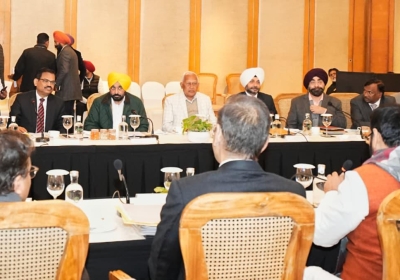
The stampede took place on a narrow stairway leading to the temple on Sunday morning, exposing the lack of proper crowd control and infrastructure. Responding to the incident, CM Dhami held a high-level review meeting at the state secretariat and called for immediate and long-term steps to prevent such tragedies in the future.
CM orders comprehensive crowd control plan
During the meeting, Dhami instructed officials to prepare a full action plan to manage crowds at religious places, especially during peak pilgrimage seasons. He stressed that the safety of devotees must be the top priority. The focus will be on preventing overcrowding at famous temples such as Mansa Devi and Chandi Devi in Haridwar, Purnagiri Dham in Tanakpur, Kainchi Dham in Nainital, Jageshwar temple in Almora, and Neelkanth Mahadev temple in Pauri.
The chief minister announced that the newly formed high-level committee will be led by the commissioners of both Garhwal and Kumaon divisions. It will also include district magistrates, senior superintendents of police (SSPs), and vice-chairpersons of local development authorities. Additionally, members from agencies working on temple infrastructure will also be part of the committee.
Dhami made it clear that better planning, execution, and coordination among departments are essential to improve the experience of pilgrims and avoid further incidents. “Proper crowd management, mandatory registration of devotees, widening of approach paths and stairways, removal of encroachments, and availability of basic facilities must be ensured at all major shrines,” he said.
ALSO READ: Crochet 'forever' flowers are blooming in popularity — and they never wilt
ALSO READ: The ultimate guide to help you stay consistent with workouts this monsoon season
Focus on safety, infrastructure, and phased crowd movement
The chief minister also gave clear instructions to focus on increasing the carrying capacity of temple complexes. He emphasized that safety and ease of movement for visitors must go hand in hand. One of the key steps being planned is the implementation of mandatory registration of pilgrims. This will help officials keep track of the number of devotees visiting each day and plan accordingly.
Dhami also called for the phased regulation of crowd movement. This means the crowd will be allowed in batches instead of large uncontrolled numbers. This step is expected to reduce congestion, especially on narrow paths and stairways that often lead to dangerous situations like stampedes.
Widening narrow walkways, improving signage, and removing unauthorized shops and encroachments around temples are also being considered. The goal is to make approach roads and staircases more spacious and safe.
Furthermore, the committee will explore adding more basic facilities such as drinking water stations, medical aid centers, and rest areas. All these steps are aimed at making pilgrimages smoother and safer for devotees, especially elderly people and children.
The chief minister expressed deep grief over the tragic loss of lives at Mansa Devi temple and assured the public that the government will take all necessary measures to prevent such incidents in the future. “We cannot afford to take these warnings lightly. Crowd control and safety planning must become a permanent part of our temple management system,” Dhami said.
He also encouraged temple authorities and local bodies to work together to implement the upcoming changes. The chief minister promised close monitoring of the committee’s progress and regular updates on steps taken for shrine safety.
In conclusion, the formation of a dedicated committee and the announcement of safety reforms mark an important step in addressing the crowd-related challenges faced at religious sites in Uttarakhand. The government’s swift response, driven by the recent tragedy, shows its intention to prevent such events from happening again and to ensure a safer pilgrimage experience for all.
Related News