Modi signals tough action after Delhi blast
Modi warns of firm response to Delhi attack as Pakistan cites financial strain
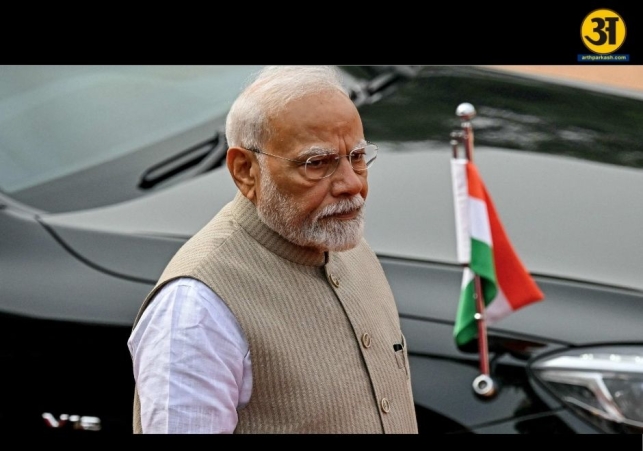
A major panic has gripped Pakistan after Prime Minister Narendra Modi firmly stated that those behind the deadly blast near Delhi’s Red Fort will face strong and decisive action. The Indian government officially confirmed on Wednesday that the explosion was a terrorist attack. This was the second time in 24 hours that PM Modi warned that the attackers and their masterminds would not be spared. His strong message has triggered worry across Pakistan, where officials fear a possible military response from India.
The blast occurred on Monday evening when a slow-moving Hyundai i20 suddenly exploded near Lal Quila Metro Station. The explosion killed 12 people and left many others injured. The intensity of the attack and its location near a high-security zone immediately raised concerns about the involvement of major terror networks. As India investigates the case, early evidence has created new alarm in Islamabad.
Pakistan holds emergency meeting as fear of retaliation grows
According to preliminary findings by Indian agencies, the attack appears to be linked to Pakistan-based terror organisations, including Lashkar-e-Taiba (LeT) and Jaish-e-Mohammed (JeM). These groups have been involved in several previous attacks on Indian soil. Because of this early evidence, Pakistan now fears that India may carry out a large-scale retaliatory operation.
In response to the rising tension, Pakistan’s Prime Minister Shehbaz Sharif called for an urgent high-level meeting. The meeting included President Asif Ali Zardari, Interior Minister Mohsin Naqvi, Law Minister Azam Nazeer Tarar, former Prime Minister Yousuf Raza Gilani, and other senior officials. They met to assess the situation and prepare for India’s possible response.
Reports from Pakistan-based media suggest that some cabinet members told journalists that the country is effectively in a “state of war” with India. According to Health Minister Syed Mustafa Kamal, the border tensions that began in May never truly ended. He said the Delhi blast has intensified the situation again, bringing both countries closer to conflict.
During the meeting, Pakistan’s Defence Minister Khawaja Asif delivered a warning that added to the sense of crisis. He reportedly told PM Sharif that Pakistan’s financial condition is too weak to fight a war with India. He also said Pakistan cannot afford military action against Afghanistan either, highlighting how severe the country’s economic challenges have become. His statement shows the level of anxiety within Islamabad’s political leadership.
Because of the fear of India’s reaction, Pakistani leaders are struggling to find a position that balances national pride with the reality of their economic situation. The defence minister’s remarks indicate that Pakistan is worried not only about India’s military strength but also about the consequences of a prolonged confrontation.
India reviews security response and pays tribute to blast victims
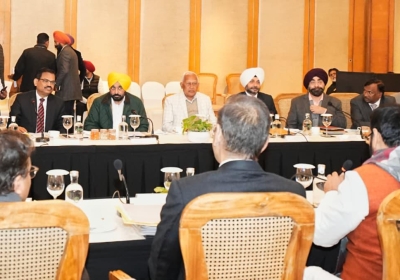
While Pakistan scrambled to respond, India continued to take serious steps following the deadly explosion. On Wednesday, the Union Cabinet met at Prime Minister Narendra Modi’s residence at 7 Lok Kalyan Marg. The meeting began with a two-minute silence to honour the victims of the attack. The ministers strongly condemned the blast and expressed deep grief over the loss of lives.
The Cabinet Committee on Security (CCS) also convened ahead of the main cabinet meeting. This committee includes the Home Minister Amit Shah, Defence Minister Rajnath Singh, and other senior security officials. They reviewed the intelligence inputs that had been collected so far and discussed India’s response strategy. According to sources, the government is treating the investigation as a top priority and wants the culprits brought to justice as soon as possible.
PM Modi has made it clear that the government will not tolerate terrorism and will act decisively. His repeated warnings to the attackers show that the Indian leadership is preparing for all possible scenarios, including diplomatic, intelligence-based, and military responses.
ALSO READ: Understanding hypotension: Signs, reasons, and when it becomes serious
ALSO READ: India’s love for sugary chai continues even as diabetes cases climb
The Delhi blast has also been seen as an attempt to destabilise national security during a sensitive time. As a result, security forces across major Indian cities have been placed on high alert. Intelligence agencies are also closely monitoring cross-border communication to track any movement by terror groups.
Within India, the attack has generated strong public anger, especially because it occurred in a busy area and involved innocent civilians. Many citizens and political leaders have urged the government to take strict action and ensure that such attacks do not happen again.
As both India and Pakistan intensify their internal discussions, international observers are closely watching the situation. Any sharp escalation could increase tensions in the region, which has already experienced several security challenges over the past year.
For now, the Indian government remains focused on investigating the blast thoroughly and identifying the masterminds behind it. The preliminary findings linking the attack to Pakistan-based terror groups have added urgency to these efforts. Pakistan, facing economic distress and internal political pressures, is worried about how India will respond.
With strong statements from PM Modi and the Indian Cabinet, and worried responses from Islamabad, the Delhi blast has once again pushed the India–Pakistan relationship into a tense and uncertain phase. The coming days will be crucial as both countries decide their next steps.
Related News