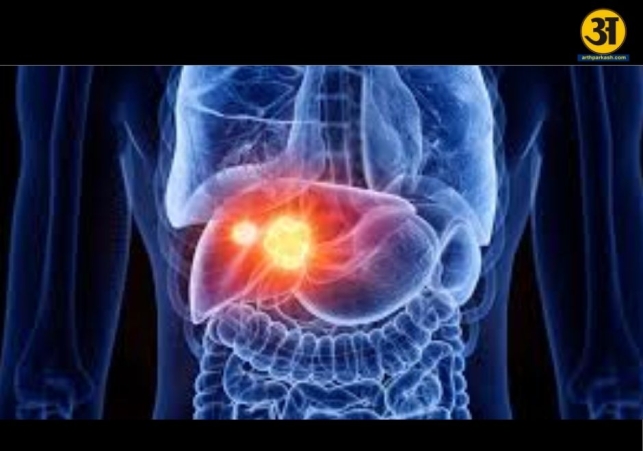
Liver cancer myths debunked
Liver cancer can affect anyone, not only heavy drinkers, experts warn
For a long time, liver cancer was mostly associated with alcohol abuse. People believed that only heavy drinkers were at risk. But doctors are now seeing a different pattern. A growing number of liver cancer patients today do not drink at all. These are often young professionals, fitness-conscious individuals, and people who lead modern urban lifestyles.
Dr Ninad Katdare, Consultant in Surgical Oncology at HCG ICS Khubchandani Cancer Centre, Mumbai, explains that this change is mainly due to lifestyle-related conditions like obesity, diabetes, and metabolic disorders. These diseases are silently affecting the liver and increasing the risk of cancer in people who have never touched alcohol.
Modern lifestyle diseases like obesity and diabetes can lead to fat accumulation in the liver, a condition previously called non-alcoholic fatty liver disease (NAFLD), now officially known as Metabolic dysfunction-associated steatotic liver disease (MASLD). Even mild fat buildup can quietly progress into inflammation, liver scarring (fibrosis), and eventually liver cancer if left unchecked.
According to the Indian National Association for the Study of the Liver (INASL), nearly one in three urban Indians shows signs of fatty liver on ultrasound. This highlights how widespread the problem has become, especially among people with poor metabolic health.
Common myths about liver cancer
Myth 1: Only heavy drinkers get liver cancer
This is no longer true. While alcohol is still a risk factor, the main cause today is MASLD. People who are obese, diabetic, or have sedentary lifestyles can develop fatty liver, which can silently progress to cancer over time.
Myth 2: If I don’t drink, I am safe
Avoiding alcohol does not make the liver immune. Even non-drinkers can develop liver disease due to poor diet, lack of exercise, and other metabolic problems. High-calorie food, sugary drinks, and long hours of sitting increase fat deposits in the liver, creating risk over time. Doctors recommend regular liver tests and ultrasounds for anyone with diabetes, obesity, or metabolic syndrome—even if they do not drink alcohol.
Myth 3: Liver cancer has clear warning signs
Most people do not notice anything wrong until the disease is advanced. Early liver disease often has no symptoms. When symptoms appear, they may include chronic fatigue, discomfort in the right upper abdomen, unexplained weight loss, or yellowing of the eyes (jaundice). By the time these appear, the disease may already be serious. This is why preventive testing and awareness are crucial.
Myth 4: Liver cancer cannot be prevented
Liver cancer can be prevented with lifestyle changes and proper medical care. Controlling metabolic health, maintaining a healthy body weight, exercising regularly, managing diabetes, reducing sugar and refined carbohydrate intake, and staying vaccinated against hepatitis B are all effective preventive measures.
Dr Katdare explains, “The liver has an incredible ability to heal. Even fatty liver can be reversed with the right changes—but it requires awareness, discipline, and consistency.” People who adopt healthier habits early can significantly reduce their risk of developing liver cancer.
ALSO READ: The AI boom: innovation surge or bubble waiting to burst?
ALSO READ: The fall of the Berlin Wall: A turning point that reshaped global politics
How lifestyle affects liver health
Modern lifestyles have brought convenience, but also hidden risks. Long work hours, unhealthy eating habits, and lack of physical activity all contribute to fat buildup in the liver. Even small, consistent changes can make a big difference.
Regular exercise—at least 150 minutes per week—helps reduce fat in the liver and improves metabolic health. Eating a balanced diet rich in vegetables, fruits, whole grains, and lean proteins while limiting sugar, processed foods, and unhealthy fats can prevent fat accumulation. Controlling blood sugar in people with diabetes and managing cholesterol levels are also critical.
Vaccination against hepatitis B remains important, as viral hepatitis is still a major cause of liver cancer. Combining preventive medical care with healthy lifestyle choices offers the best protection against liver damage and cancer.
Doctors emphasize that awareness is the first step. People should not wait for symptoms to appear, because liver disease can remain silent for years. Early testing, routine checkups, and proactive lifestyle changes are key to protecting liver health.
In conclusion, liver cancer today is not just a disease of alcohol drinkers. It is increasingly linked to lifestyle-related conditions like obesity, diabetes, and poor metabolic health. Avoiding alcohol alone is not enough. Healthy habits, regular exercise, a balanced diet, preventive screenings, and vaccinations form the strongest defense. By understanding the real risks and taking consistent action, people can protect their livers and reduce the risk of cancer significantly.
Related News