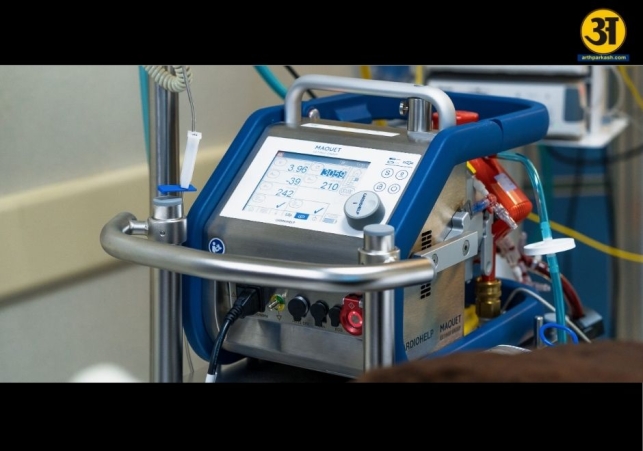
Life-saving ECMO supports heart and lungs
ECMO explained: how it helps patients survive severe heart and lung failure
Extracorporeal Membrane Oxygenation, or ECMO, is a medical procedure that provides temporary support for patients whose heart and lungs are too weak to function properly. Think of it as an artificial life support system, similar to a heart-lung bypass machine, that helps patients survive severe illnesses or injuries. When conventional treatments like medications, oxygen therapy, or ventilators are not enough, ECMO can give the heart and lungs a chance to rest and recover while keeping the body alive.
ECMO is used in critical care settings and can be applied to adults, children, and even newborns. The treatment is highly advanced and is considered a last-resort option when other treatments fail. Doctors recommend ECMO for patients with severe respiratory or heart problems, and it can be a bridge to recovery, surgery, or organ transplantation.
How ECMO works
The ECMO machine works by pumping blood outside the patient’s body. A tube is inserted into a large blood vessel, usually in the neck, chest, or leg, which directs blood to the machine. Inside the ECMO device, carbon dioxide is removed from the blood, and oxygen is added, performing the same function that the lungs usually do. Once oxygenated, the blood is returned to the body.
There are two main types of ECMO. Venovenous (VV) ECMO is used for lung support only. It is ideal for patients whose lungs are severely damaged but whose heart is still functioning properly. Venoarterial (VA) ECMO, on the other hand, supports both the heart and lungs and is used for patients with heart failure, cardiac arrest, or other severe heart conditions. The type of ECMO chosen depends on the patient’s medical condition and the doctor’s assessment.
ECMO can be used in a variety of situations. Patients with severe pneumonia, acute respiratory distress syndrome (ARDS), or respiratory failure may benefit from the procedure. It is also used in cases of sepsis, post-surgical complications, severe infections like COVID-19, pulmonary hypertension, and other life-threatening conditions affecting the heart and lungs. In newborns and children, ECMO can be crucial for treating congenital heart defects or serious lung problems.
Benefits and risks of ECMO
The main benefit of ECMO is that it provides the heart and lungs time to heal. By taking over the function of these organs temporarily, it prevents further damage and improves the chances of survival. For patients whose condition is critical and where other treatments are not effective, ECMO may be the only option to keep them alive. It can also be used as a bridge to recovery or as preparation before surgeries or organ transplants.
However, ECMO is a complex procedure and carries certain risks. Because it involves circulating blood outside the body, there is a risk of bleeding, infections, or blood clots. Patients need to be closely monitored in an intensive care unit by a trained medical team throughout the treatment. Doctors carefully weigh the benefits and risks before recommending ECMO, ensuring it is suitable for the patient’s condition.
ALSO READ: Global alert issued as 6,000 jets face urgent updates to prevent flight-control failures
Despite the risks, ECMO has saved countless lives in situations where conventional treatments were not enough. It is considered a critical tool in modern medicine for managing severe heart and lung failure. Doctors emphasize that early recognition of severe illness and timely initiation of ECMO can significantly improve patient outcomes.
ECMO also has psychological and emotional implications for patients and families. Because it is used in life-threatening situations, patients and their loved ones must be prepared for intensive care, monitoring, and potential complications. Medical teams provide support and counseling to guide families through the treatment process.
Extracorporeal Membrane Oxygenation is a revolutionary technology that has transformed critical care medicine. By supporting the heart and lungs when they fail, it gives patients a second chance at life. While it is not a cure, ECMO acts as a bridge that allows the body to recover from severe illness, surgery, or infection.
For adults, children, and newborns with critical heart or lung conditions, ECMO can be life-saving. It is a specialized procedure that requires expert medical care and continuous monitoring. Patients and families should understand both the benefits and risks before undergoing ECMO.
In simple terms, ECMO is like giving the heart and lungs a break so they can heal, while the machine temporarily keeps the patient alive. It is a final, lifesaving step in modern medicine that has helped many critically ill patients survive and recover from conditions that once had very low survival rates.
Related News