Key updates in Air India crash probe
Timeline of crucial developments in Air India crash investigation revealed
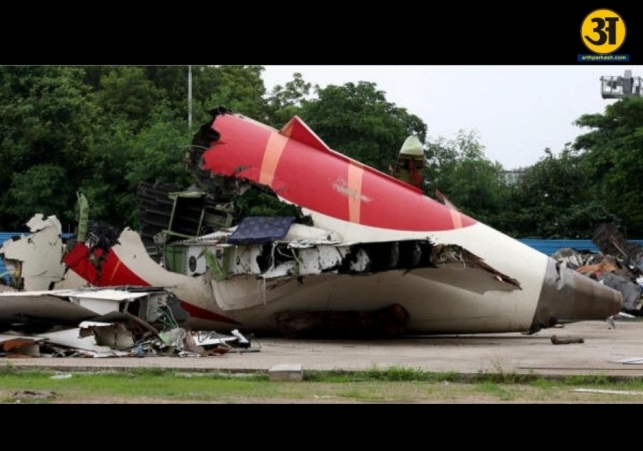
On June 12, an Air India Boeing 787 Dreamliner crashed shortly after taking off from Ahmedabad, killing 241 people on board. Only one person survived the accident. The flight was headed to London. This became the deadliest air crash in the world in a decade.
Investigation begins immediately
On June 13, India’s Aircraft Accident Investigation Bureau (AAIB) launched a full investigation into the crash. The team included experts such as an aviation medicine specialist, an air traffic control officer, and representatives from the US National Transportation Safety Board (NTSB).
Boeing 787 jets are equipped with two black boxes—one installed in the front and another at the rear of the aircraft. Both units have a cockpit voice recorder and a flight data recorder. These devices help investigators understand what happened during the flight.
Black boxes recovered from crash site
On June 13, the first black box unit was found on the rooftop of a building at the crash site. The second unit was recovered from the debris on June 16.
By June 24, both black boxes were flown separately to an AAIB laboratory in Delhi using Indian Air Force aircraft. In the evening, a team of Indian and US experts began the process of extracting the data from these devices.
Data downloaded from one black box
On June 25, investigators successfully accessed the memory module from the forward black box and downloaded its data. This unit has an independent power supply that can keep it running for about 10 minutes even if the plane loses power, according to an earlier NTSB report.
On July 12, AAIB released a preliminary report. It stated that, at this stage, there were no safety recommendations for Boeing or GE, the engine manufacturer. This indicated that a technical fault in the aircraft or engines was unlikely.
The report also revealed a shocking detail from the cockpit voice recordings. One pilot can be heard asking the other why he cut off the fuel supply. The second pilot replied that he did not do so. However, the report did not mention which pilot made which remark. It also did not clarify which pilot sent out the distress call: “Mayday, Mayday, Mayday” just before the crash.
ALSO READ: Justice in crisis: Why India’s courts need urgent reform
New details suggest captain cut off fuel
On July 16, The Wall Street Journal reported that a recording showed the first officer, who was flying the plane, asked the captain why he moved the fuel switches to the “cutoff” position just seconds after takeoff. This action would have stopped fuel from reaching the engines, causing them to lose power.
The report raises serious questions about why the captain might have done this. Investigators are now looking closely at the conversation between the pilots and their actions during the final moments of the flight.
Final report expected in a year
The AAIB has said a final investigation report will be released within a year. Until then, experts will continue analyzing cockpit recordings, flight data, and other evidence to determine the exact cause of the crash.
This tragedy has shocked the aviation world, and the new revelation about possible human error adds another layer of mystery to the investigation.
Related News