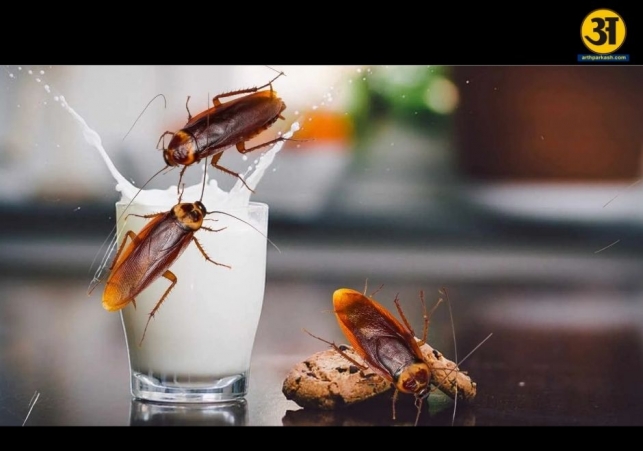
Is cockroach milk the next big thing in future superfoods?
Cockroach milk: The surprising superfood scientists are calling more nutritious than cow’s milk
When we think of superfoods, the first things that come to mind are leafy greens, berries, nuts, and seeds. These foods are celebrated for their high nutritional value and health benefits. But now, scientists have discovered a surprising and unusual contender — cockroach milk. It might sound odd and even off-putting, but recent research suggests that this unique substance could be one of the most nutrient-rich natural foods in the world.
Why cockroach milk is being called a superfood
The term "superfood" is used for foods packed with vitamins, minerals, antioxidants, and other essential nutrients. Cockroach milk, though unconventional, has been found to be far richer in nutrition than many commonly consumed foods. It comes from the Pacific beetle cockroach (Diploptera punctata), a rare species of cockroach that gives birth to live young rather than laying eggs. To nourish its offspring, this insect produces a milk-like fluid that is loaded with proteins, fats, and sugars.
Scientists claim that cockroach milk is up to three times more nutritious than cow’s milk. According to a study published in the Journal of the International Union of Crystallography in 2016, this milk forms protein crystals inside the young cockroaches’ stomachs. These crystals are believed to contain all the essential amino acids that humans need for muscle growth and cell repair. They are also packed with healthy fats and sugars, making this natural substance one of the most calorie-dense foods ever discovered.
Reports suggest that cockroach milk even surpasses buffalo milk in calorie content, which was previously considered one of the richest forms of milk. This makes researchers believe that, in the future, cockroach milk could be used as a concentrated energy source or dietary supplement for people needing high nutrition in small quantities, such as athletes or those recovering from illness.
Can humans really consume it?
While the idea of drinking cockroach milk may sound unpleasant, researchers are not suggesting that people will be sipping it straight from a cup anytime soon. At present, the biggest challenge lies in its production. Extracting milk from a single cockroach is a complicated and time-consuming process. It would take thousands of cockroaches to produce just a small amount of milk, making it highly impractical and costly for large-scale human consumption.
Scientists are exploring the possibility of producing the same nutrient-packed protein crystals in laboratories through advanced biotechnology. If this becomes possible, cockroach milk could be turned into powders, capsules, or other forms that people might find more acceptable and easier to consume.
However, experts caution that even if cockroach milk becomes available for humans, it should be treated like any other superfood — as a supplement, not a replacement for a balanced diet. While it is rich in proteins and amino acids, it cannot provide all the nutrients the human body needs. A diet with a variety of foods like vegetables, fruits, grains, and lean proteins remains essential.
ALSO READ: Toxic taps: Scientists sound alarm over ‘Forever Chemicals’ in U.S. drinking water
ALSO READ: Water scarcity and its impact on global food security
The future of superfoods
The discovery of cockroach milk has sparked interest in the field of future food technology. With the global population rising and sustainable food sources becoming a major concern, scientists are looking at alternative nutritional options. Foods that are nutrient-dense but require fewer resources to produce could be the answer to future food shortages. If cockroach milk can be replicated synthetically, it might be one such solution.
Despite its potential benefits, the idea of consuming something associated with cockroaches might face resistance from the general public. Cultural perceptions and food preferences play a big role in what people consider acceptable to eat. While some might view this discovery as revolutionary, others may never get past the "ick" factor.
Final thoughts
Cockroach milk may not sound appetizing, but science shows it has incredible nutritional potential. It is high in proteins, amino acids, and healthy fats, making it far richer in nutrients than cow’s milk. Though it is not yet ready for human consumption, researchers believe it could become a future superfood, especially if it can be produced in a lab setting.
For now, this unusual discovery highlights how nature continues to surprise us with its unique solutions to our health and nutrition needs. Cockroach milk might not replace traditional foods, but it has opened the door to exciting possibilities in food innovation and sustainability.
Related News