AIIMS struggles to keep doctors as resignations mount
Over 400 doctors quit AIIMS branches in two years, raising concerns over retention
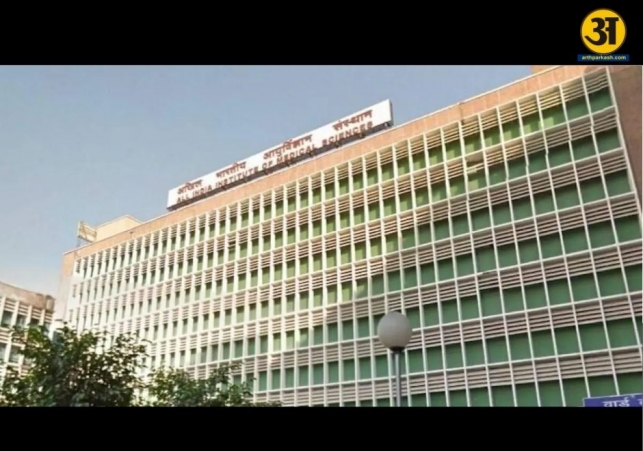
India’s most prestigious government hospitals — the All India Institute of Medical Sciences (AIIMS) — are facing a serious staffing crisis. In just two years, from 2022 to 2024, 429 doctors resigned from 20 AIIMS branches across the country.
Government data presented in Parliament shows that even the flagship AIIMS in Delhi is not spared. In fact, Delhi AIIMS recorded the highest number of resignations — 52 doctors left in this short period.
The big question is: why are so many of our best-trained doctors walking away from AIIMS?
Why so many doctors are quitting
The main reason is money and working conditions. The private sector offers salaries four to ten times higher than what AIIMS doctors earn. Private hospitals also have better facilities, modern equipment, and faster decision-making. For many young doctors, the choice is simple — better pay and comfort in the private sector, or long hours and outdated systems in government hospitals.
The resignation numbers tell the story:
-
AIIMS Delhi – 52 resignations
-
AIIMS Rishikesh – 38
-
AIIMS Raipur – 35
-
AIIMS Bilaspur – 32
-
AIIMS Mangalagiri – 30
Across the country, one in three faculty posts at AIIMS is vacant. In Delhi alone, 462 of the sanctioned 1,306 posts — about 35% — remain empty. AIIMS Bhopal has a 23% vacancy rate, and AIIMS Bhubaneswar has 31%.
The government has tried temporary fixes, such as hiring retired doctors on short contracts or bringing in visiting faculty. But these are band-aid solutions for a much deeper wound.
The worst-hit: AIIMS Raebareli’s grim situation
One of the most alarming examples comes from AIIMS Raebareli in Uttar Pradesh. Here, 80% of Senior Resident Doctor (SRD) posts are vacant. Nearly half of the medical faculty posts are also unfilled.
Because of this shortage, the hospital cannot run at full strength. Some patients are forced to wait up to 18 months for surgeries.
The reasons for Raebareli’s problems are clear:
-
Poor housing for staff
-
Low House Rent Allowance (HRA) because it’s a Tier-3 city
-
Weak transport connectivity and fewer city facilities
-
No boundary wall due to a land dispute, raising security concerns
-
Lack of good schools, shopping areas, and reliable internet
Young doctors, especially those with families, often do not want to live in areas with such poor amenities. Even if they join, many leave within months.
The hollowing out of AIIMS
In 12 of the 20 AIIMS centres, more than half of the professor posts are vacant. AIIMS Jammu is a shocking case — out of 33 professor positions, 29 are empty. Raebareli has 26 professor vacancies.
Most of the remaining faculty are assistant professors, who need less experience to be hired. While this fills seats in the short term, it leaves the hospitals without the depth of knowledge and experience that senior doctors bring.
This trend means that AIIMS is slowly losing its reputation as a place with the country’s top medical minds.
ALSO READ: Significance of IAF downing an ELINT, AEW&C aircraft in Operation Sindoor
ALSO READ: India’s strategic options to counter Trump’s tariff pressure
Why this matters to all of us
AIIMS is not just another hospital chain — it’s where the poorest patients can get world-class treatment for free or at very low cost. When doctors leave in such large numbers, patients suffer the most. Long waiting times, overworked remaining staff, and limited treatment options become the norm.
This is not just a salary issue. It’s about whether the government is willing to invest in the infrastructure, housing, and quality of life that will convince doctors to stay.
If private hospitals can offer better pay and facilities, why can’t India’s most important public hospitals do the same — especially when they handle such a huge patient load?
The truth is, medical talent is like water — it will always flow to where it’s valued most. Unless AIIMS reforms its pay structure, improves working conditions, and upgrades facilities, we will keep seeing this brain drain.
In my opinion, the AIIMS crisis is a warning signal. The country cannot afford to let its best doctors walk away while patients in small towns wait months for surgery. If the government does not act now, AIIMS will be AIIMS in name only — without the expertise that made it famous.
It’s time for bold action, not temporary fixes.
Related News